
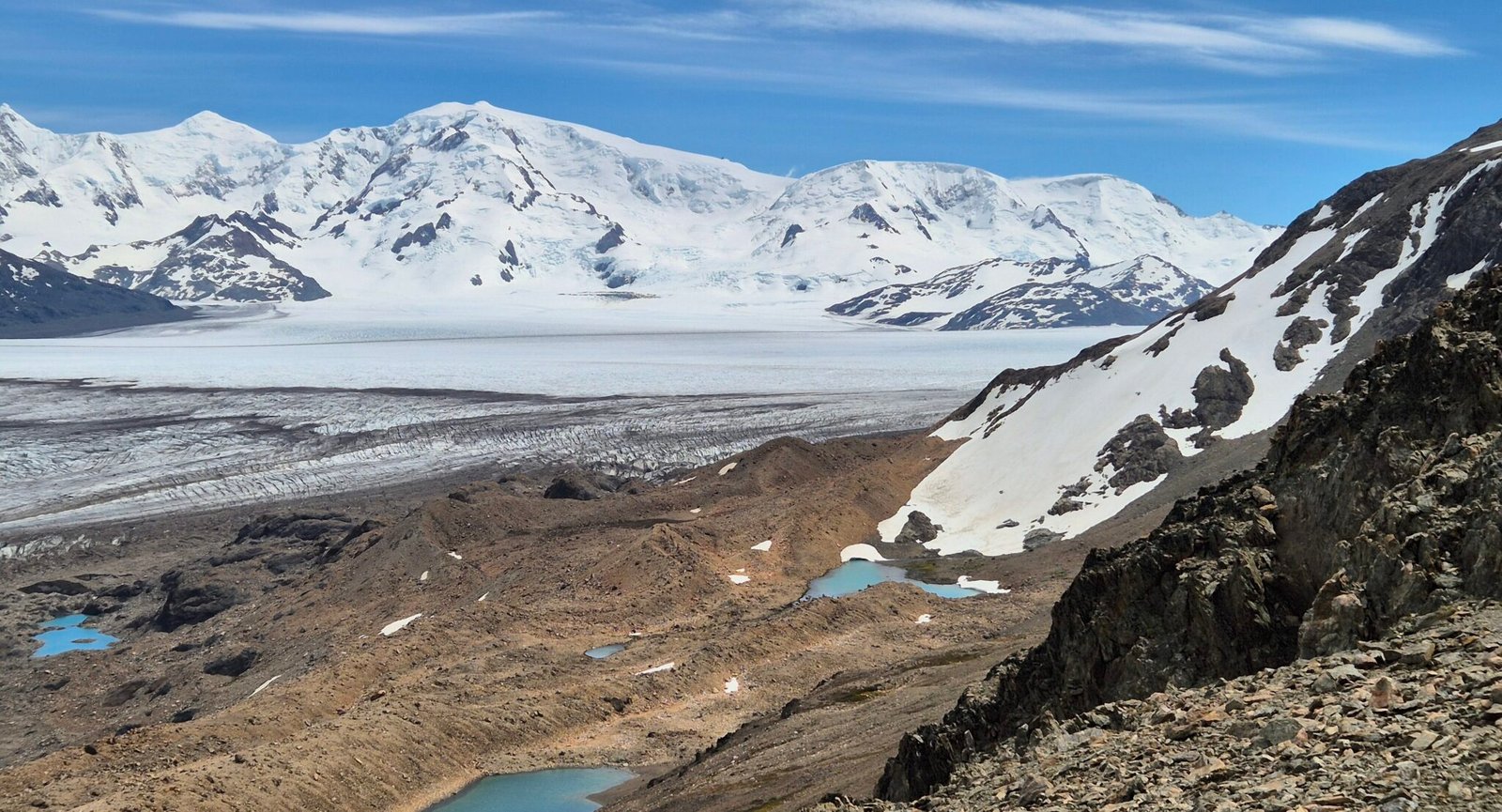
Argentina
December 2024 to June 2025
- 117days in the country, over 3 stays
- 9,727 milesby van
- 738 mileson foot
- $2,707spent for the two of us
The route
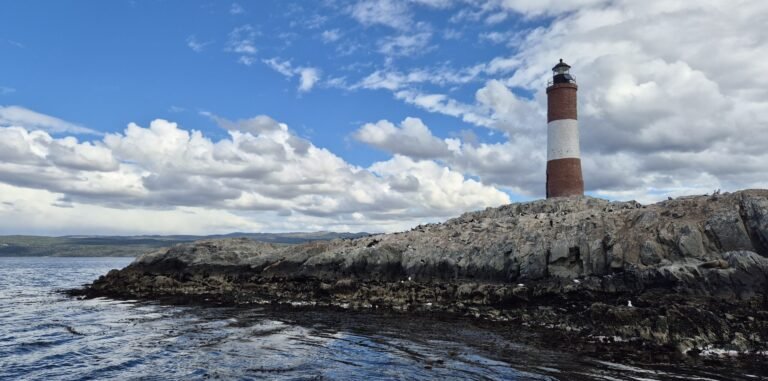 1Ushuaia, Fin del MundoAfter the Torres del Paine trek, we head for Tierra del Fuego and Ushuaia, the famous city at the end of the world. Quite a detour, and our first border crossing…
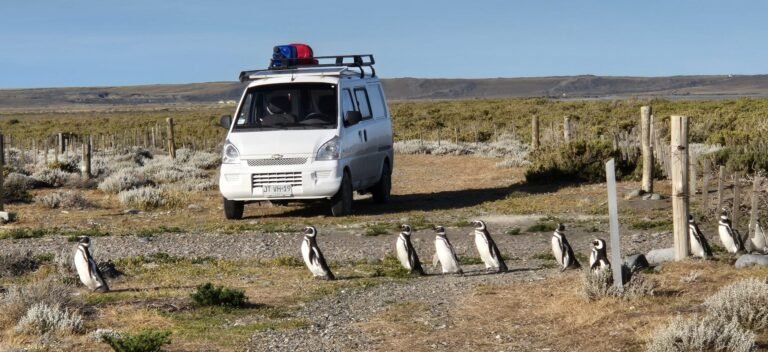 2Cabo Vírgenes: Meeting the PenguinsDone with Tierra del Fuego, we reach the Argentine mainland and set off to discover the Cabo Vírgenes reserve. Did ya know? Penguin or… penguin? Spanish speakers…
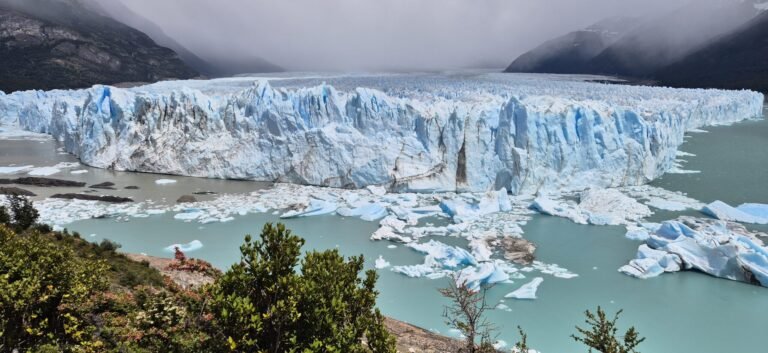 3El Calafate, Perito Moreno and Cerro CristalOff to El Calafate and Los Glaciares National Park, to see the huge Perito Moreno Glacier and climb Cerro Cristal. On the way: after stocking up in Río…
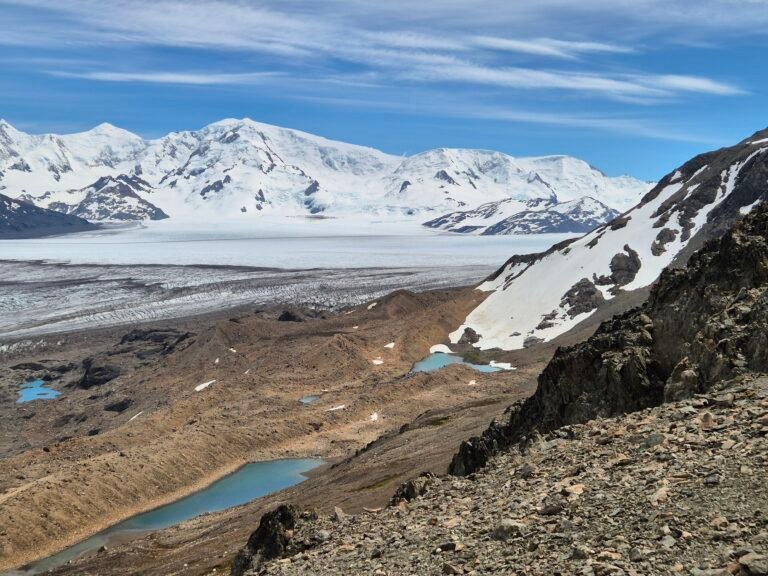 4The Vuelta al HuemulThe Vuelta al Huemul is a 4-day loop from El Chaltén. Its scenery reminds us of the O Circuit in Torres del Paine, and it’s the perfect complement…
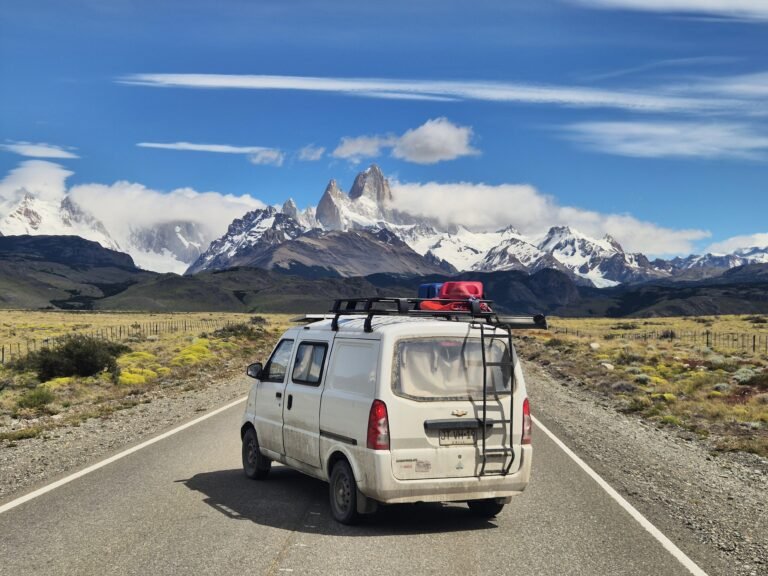 5El Chaltén, the Other Torres del PaineAfter El Calafate and the huge Perito Moreno Glacier, we head to El Chaltén, the trekking capital, and the rest of Los Glaciares National Park. On the agenda: the legendary Fitz…
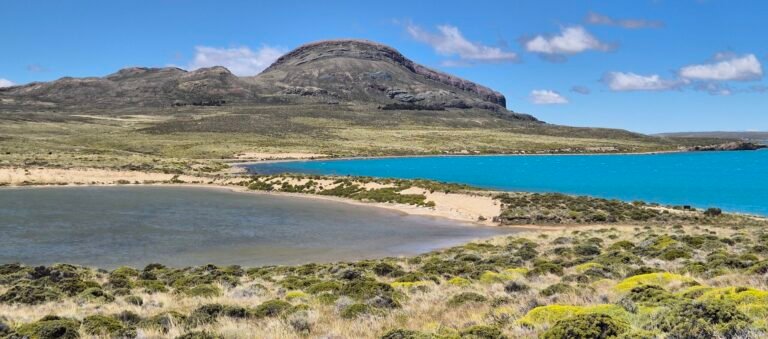 6Perito Moreno National ParkAfter El Chaltén, we need some peace and quiet. We decide to get off the beaten path with a little-known national park, a bit further north. No, not the…
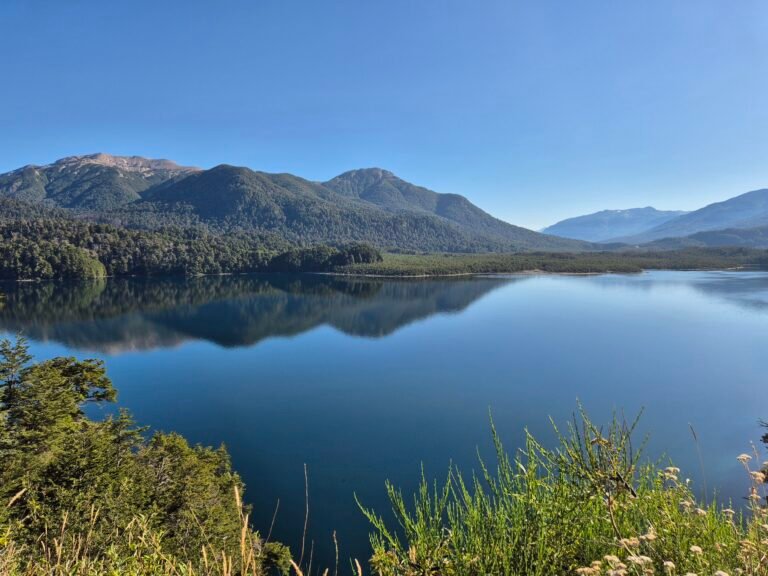 7El Bolsón, Esquel, Bariloche and the Lake DistrictGoodbye pampa (for a while, at least) after our wonderful break in Perito Moreno National Park: we arrive in a lush, popular region of Patagonia,…
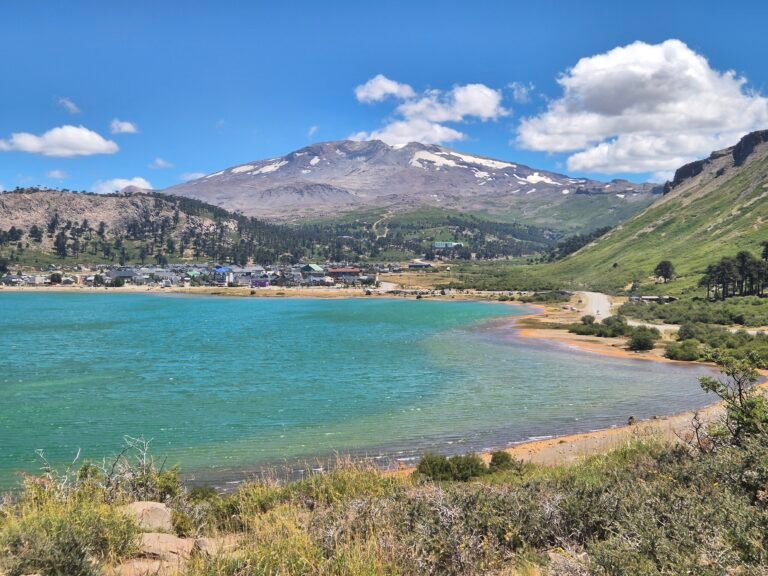 8A Break in Caviahue-CopahueBack in Argentina after an amazing detour through Chile’s Araucanía, we leave the green valleys behind for the dry pampa that rules this side of the Andes, and…
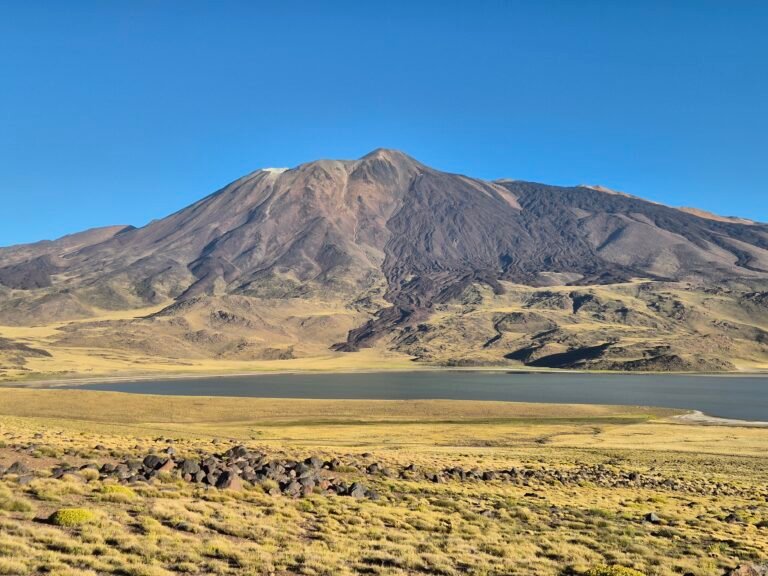 9Climbing Tromen VolcanoAfter our getaway to Caviahue-Copahue, we keep heading north and enjoy our last days in Patagonia after more than 3 months. A little…
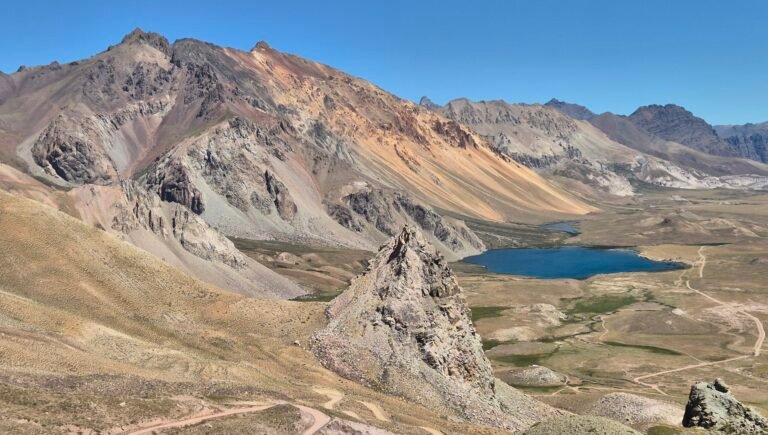 10A Truly Beautiful Valle HermosoWe’ve just left Patagonia and continue north toward Mendoza, with a short detour through a remote valley that few tourists know about. And we’re glad we…
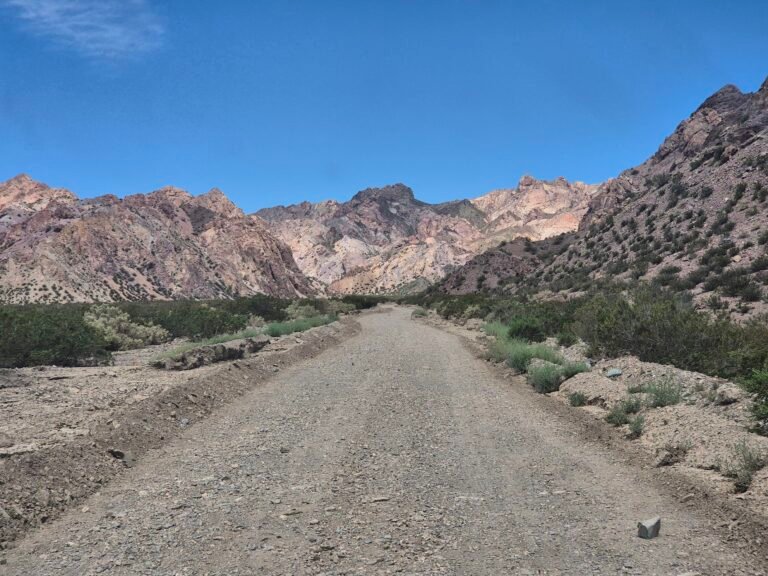 11North of MendozaGoodbye Patagonia, farewell glaciers, guanacos and endless pampa: we’re tackling the second half of the Argentine Andes, the northern half. This article covers…
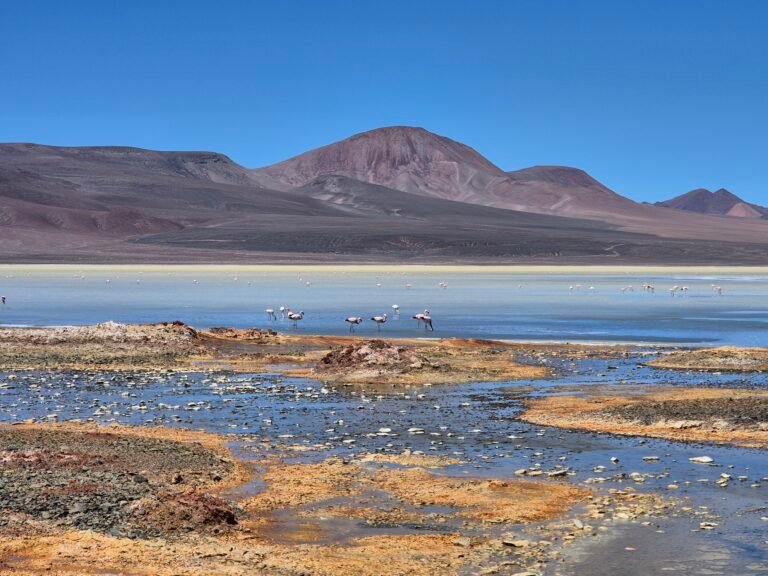 12Laguna Brava, Our First Steps in the PunaWe head north from Mendoza, following the Andes. Along the way, two detours tempt us. The first is Paso Agua Negra, a pass at over…
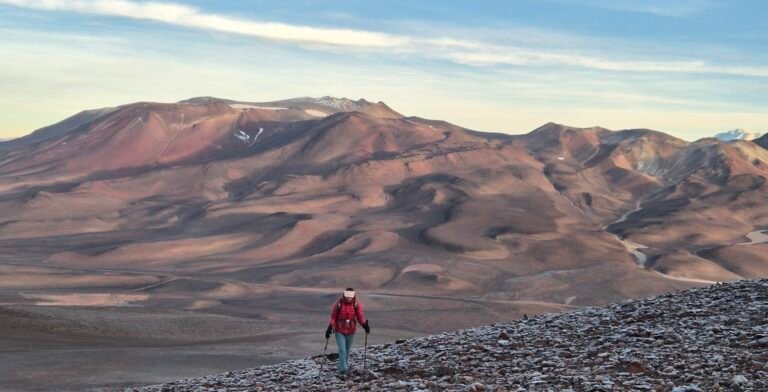 13Los Seis MilesThe Altiplano is an ecoregion of the Andes made up of high plateaus above 13,100 ft. The term Puna (from the Quechua for “high lands”…
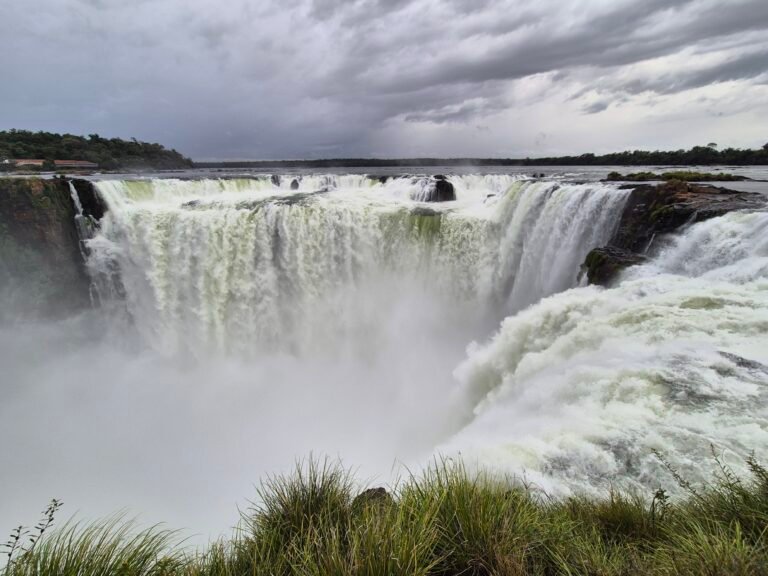 14Iguazú, From Both Sides of the FallsTo be honest, Iguazú wasn’t part of our original plans at all: far too big a detour to see “a few waterfalls.” But after hearing so much…
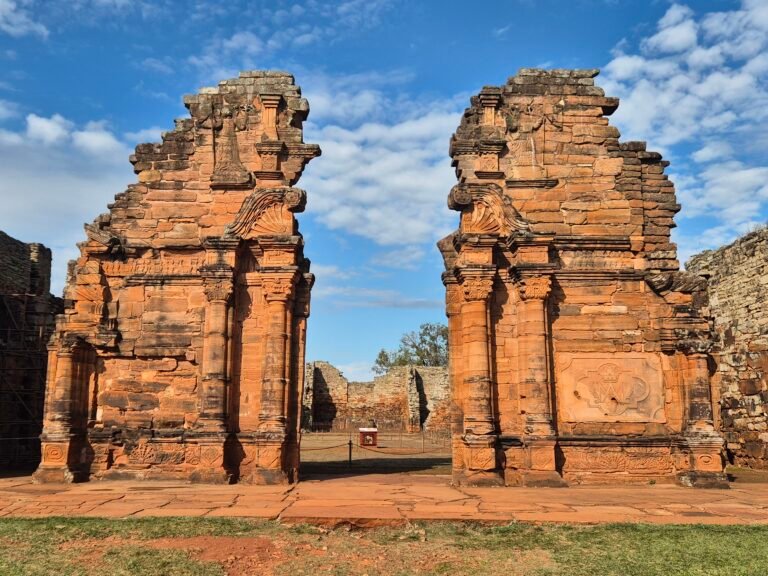 15Misiones ProvinceAfter the long detour through Paraguay to reach the amazing Iguazú Falls, we head for Salta, our next big destination in…
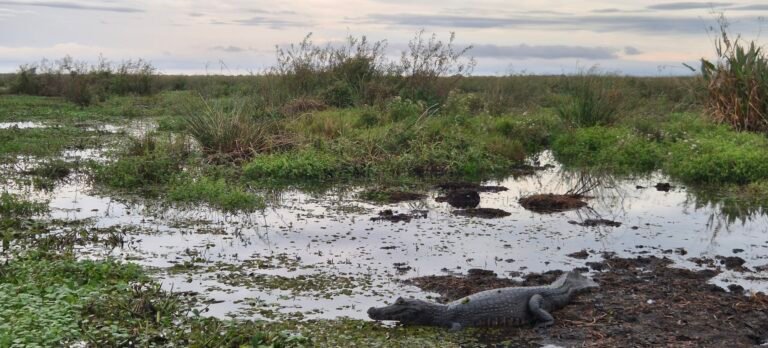 16Spellbound at the Esteros del IberáWhen we planned the long detour to Iguazú Falls, the idea was also to discover northeastern Argentina, often overshadowed by Patagonia or…
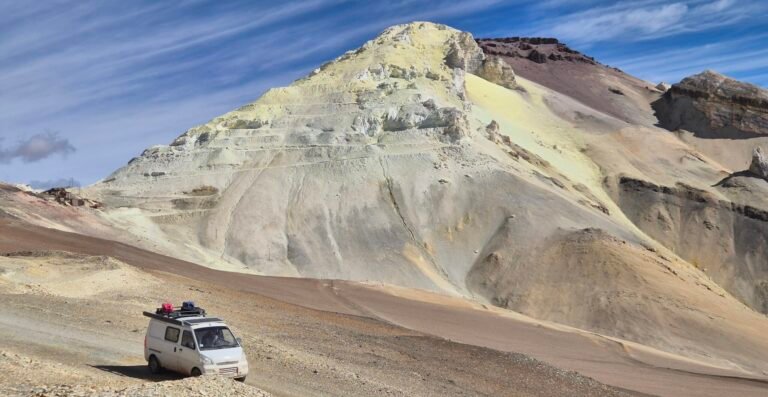 17Puna Road TripSeveral months have passed since our visit to Salta last March. In the middle of the rainy season, facing terrible conditions (floods…), we…
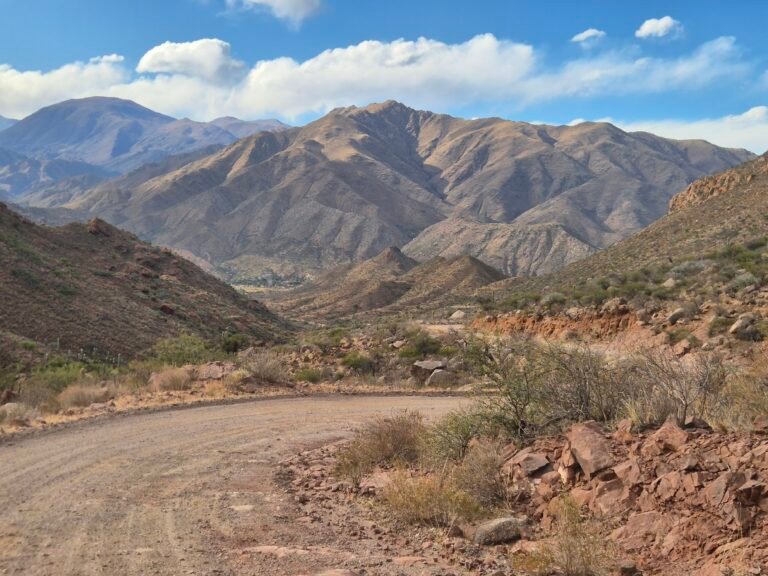 18The Salta LoopsAfter our trip through the Puna, we head back up to the Salta region, known for its two road trip loops, one north and one south. We start with…
Our favorites
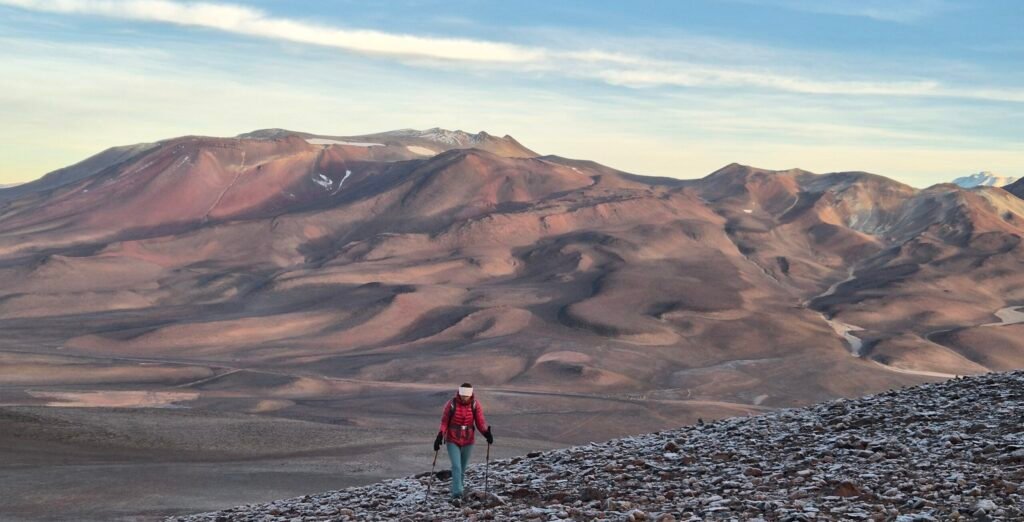
Ruta de los Seis Miles
A road crosses Chile and Argentina through the Puna and some fifty volcanoes topping 19,700 ft. It’s a (hostile) region with otherworldly landscapes and endless room for adventure.
Read the stage →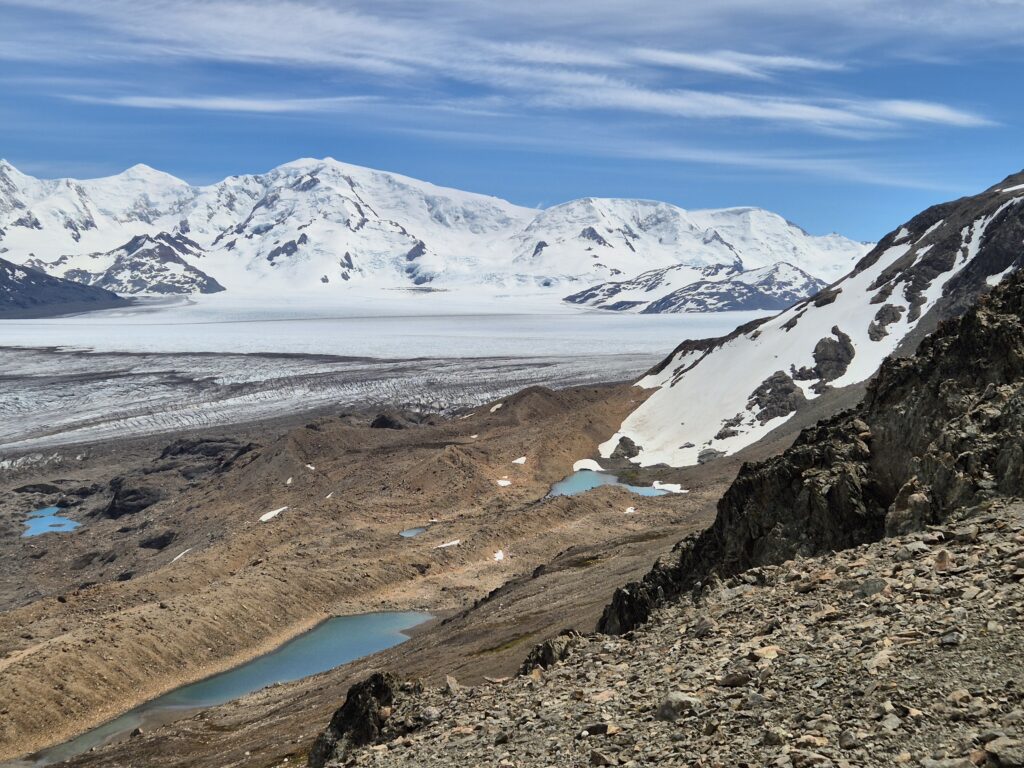
The Vuelta al Huemul
After Torres del Paine, we didn’t expect to be dazzled by glaciers again anytime soon, and yet… The Huemul trek, starting from El Chaltén, offers an exceptional range of grandiose landscapes!
Read the stage →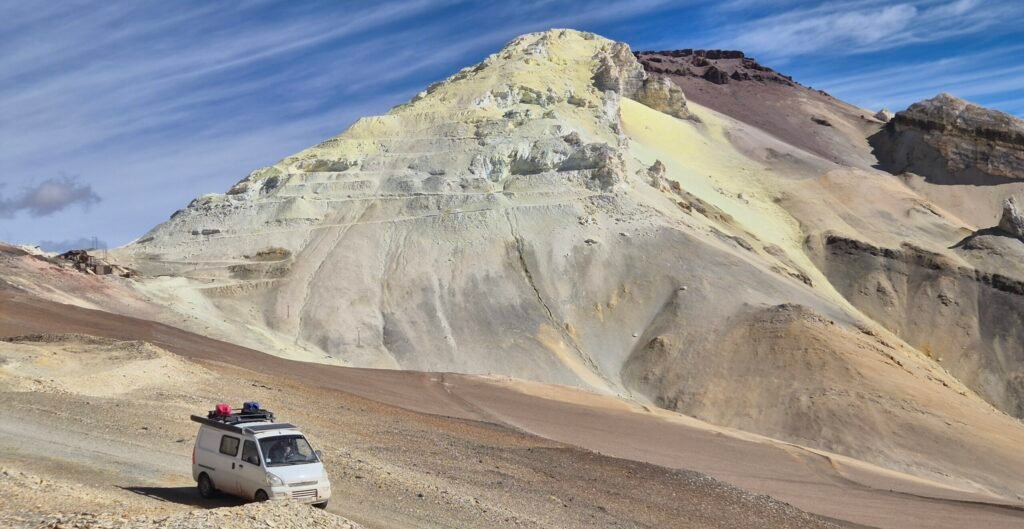
The Puna
Ah, the Puna… 3 months later, we’re back in the Argentine Puna for a road trip between the Salta and Catamarca regions. Colorful lagoons and mountains, salt flats, volcanoes… and an indescribable feeling of being alone on another planet.
Read the stage →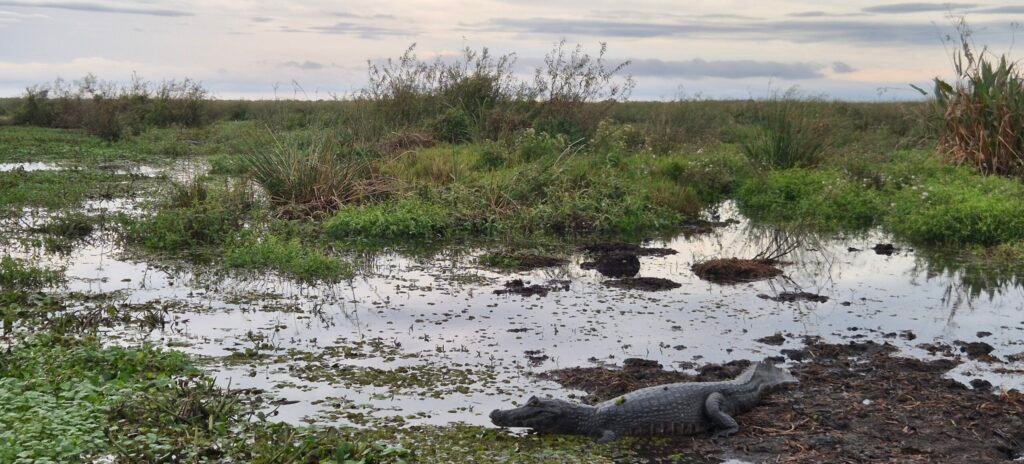
Esteros del Iberá
A free park and free campgrounds… surrounded by abundant wildlife. Caimans, capybaras, macaws… A magical place!
Read the stage →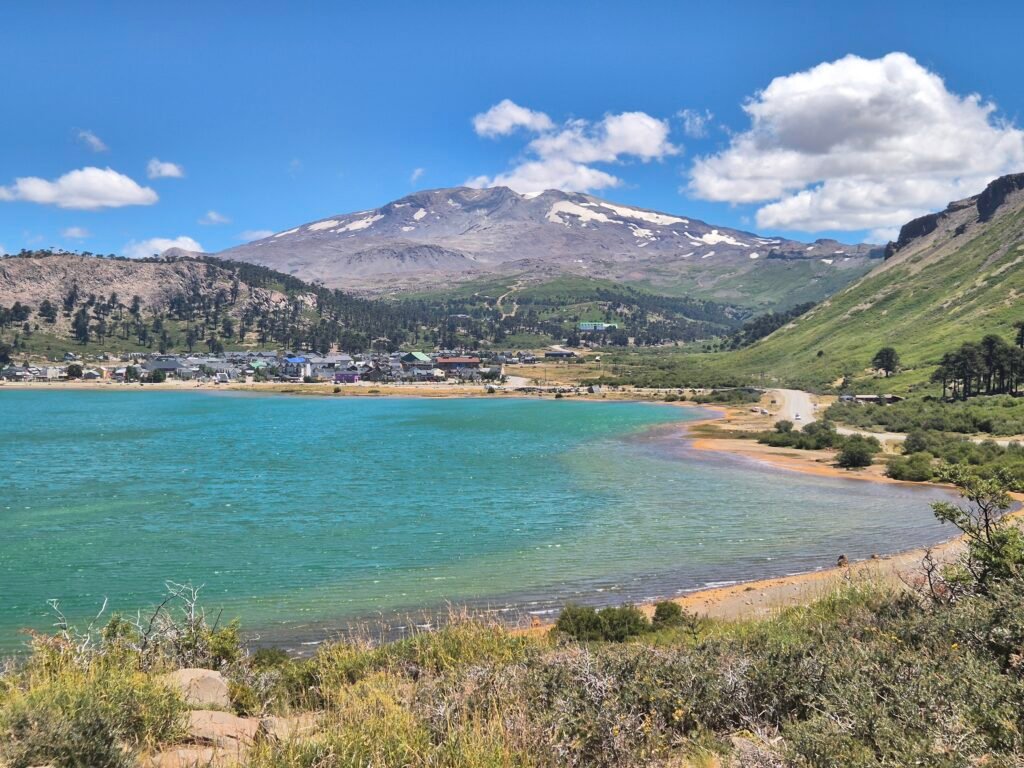
Caviahue-Copahue
Deep in Argentine Patagonia, we discover a quirky hot springs town in a spectacular setting: monkey puzzle trees, a volcano, an emerald lake… and a waterfall in incredible colors. A real gem!
Read the stage →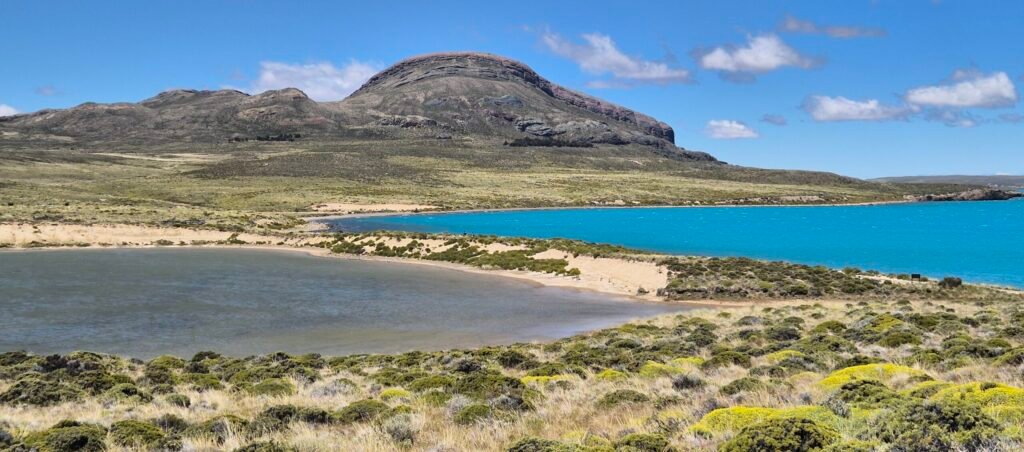
Perito Moreno National Park
A little-known, forgotten park, in the shadow of the glacier of the same name, and yet… Free, perfectly equipped, with nice huts and gorgeous lakes. A real find!
Read the stage →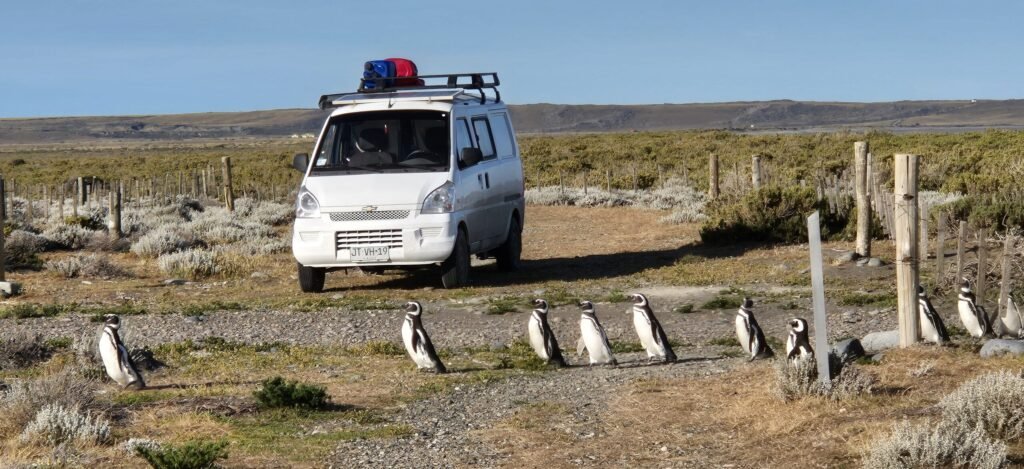
Cabo Vírgenes
A (seemingly) abandoned reserve where we find ourselves alone… among thousands of penguins scurrying frantically in every direction.
Read the stage →Practical info

- Capital
- Buenos Aires
- Language
- Spanish
- Currency
- Argentine peso (ARS)
- Length of stay
- 90 days, renewable by leaving and re-entering the country
- Time zone
- UTC−3 (1 to 2 hours ahead of US Eastern Time)
- Country code
- +54
Mountaineering
As in Chile, peaks in Argentina are generally "free to go." Some may require approval from the park or the province, but as far as we know, only Aconcagua requires a paid permit.
Technically, the peaks are very accessible. In the Puna, you can sometimes climb up to 21,300 ft without snow!
For us, it’s an unmatched playground for adventure.
Money
In 2025, when we were there, the rate was about €1 to 1,250 pesos.
An unofficial rate, known as the blue rate , was until recently used mainly by tourists to exchange money. For starters, bank fees for withdrawals are outrageous (we remember seeing 20% at some banks), and the rate applied doesn’t reflect the currency’s real value. On top of that, by using this blue rate through Western Union, for example, you get more local currency for the same amount in euros.
Since 2024, and then the devaluation of the peso in 2025, the two rates are now roughly the same. That said, we kept exchanging euros (or dollars) directly or using money transfers to avoid the banks’ outrageous fees.
When we used WU, we opened a new account each time to get the first transfer free.
Water
Tap water is safe to drink everywhere in the country, even in the north.
Traveling by van
A van is the ideal way to travel in Argentina. More than anywhere else, we wouldn’t consider another trip without one: wild camping, free campgrounds in the north, and areas you simply can’t reach without your own vehicle.
You’re normally required to have insurance to drive in Argentina. We were sometimes asked for it at the border, very rarely inside the country.
Argentina’s national highways are often in poor condition (Patagonia, Salta): expect countless flat tires with regular tires. Luckily, there are gomerías (tire repair shops) everywhere.
There are lots of police checkpoints, especially in the north, sometimes in several villages in a row. They check your passport, papers, insurance… and regularly the inside of the vehicle. Heads up: headlights must be on 24/7!
Gas is cheap in the south and gets more expensive as you head north. It’s common to go several hundred miles without a gas station, so always check ahead and carry one (or even two) spare jerrycans.
Parts (tires…) are very expensive, so it’s better to buy them in Chile (half the price). If you do, be careful when coming back into Argentina: customs sometimes charges duty on imported items, so say they were bought a long time ago, outside Chile, or even with the vehicle. They’re usually more lenient with foreigners.
Phone plan
We got a Claro SIM card in Argentina. In the backcountry, especially in Patagonia, there was almost never any signal, even near towns.
Seasons
Argentina has 4 seasons, but they obviously vary a lot with latitude and altitude…
In winter, traveling in Patagonia can be tricky, and some parks close depending on conditions. On the flip side, there are ski resorts!
In summer, it can get very hot. In the Esteros del Iberá, in the north, it easily reaches 104°F, while wildfires break out every year in Patagonia (Lake District).
Watch out for the rainy season in the north (December to March), which can cut off roads and flood valleys (Salta, Puna…).
Reserves and national parks
There’s no real logic to it. Some parks (the most visited ones) charge fees, and very high ones (Los Glaciares, Tierra del Fuego, Iguazú…), while others are completely free (entrance, camping…). The rangers often have Starlink.
What to eat
Argentine food in a nutshell
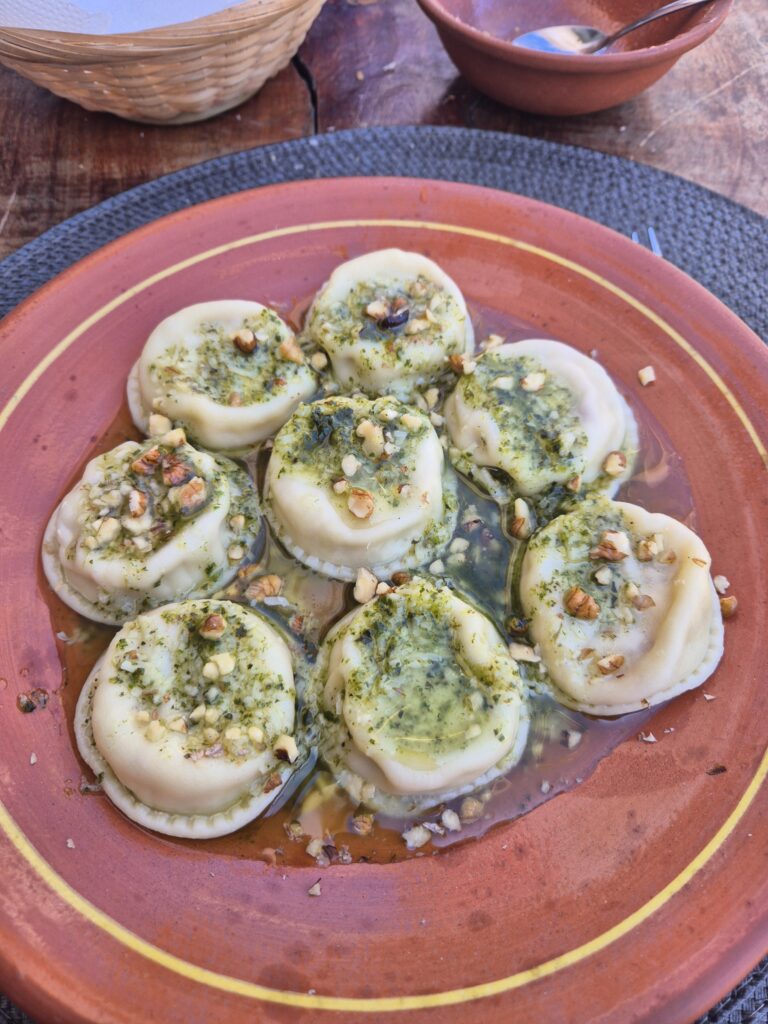
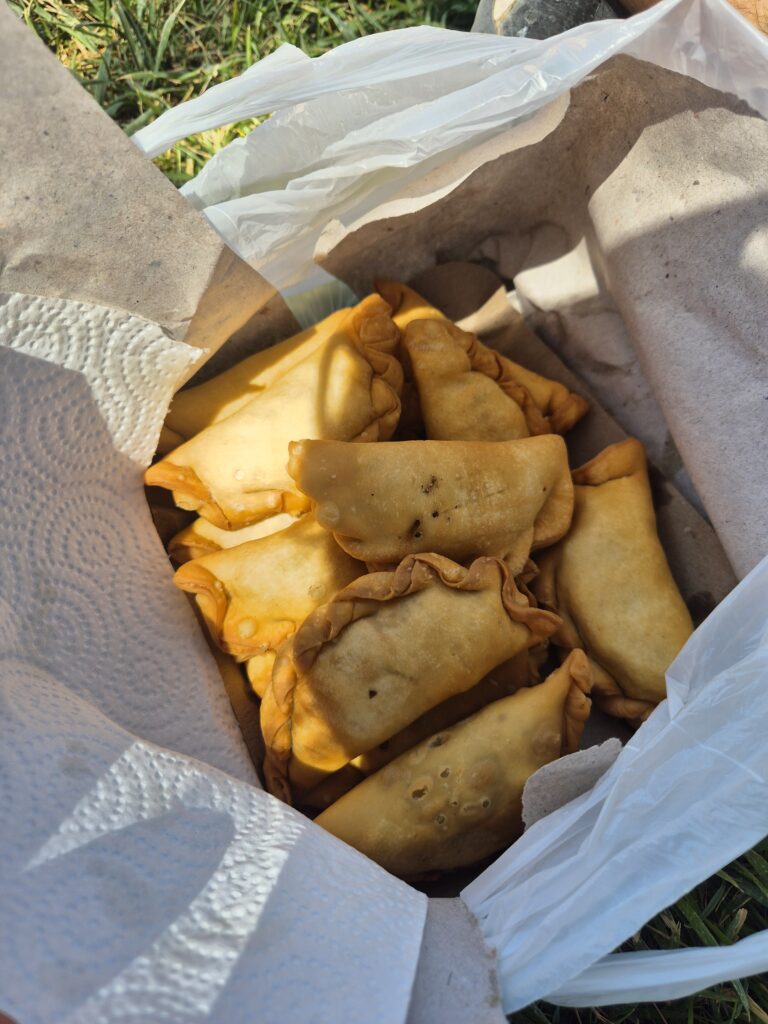
As in Chile, food in Argentina is very Western, with strong European influences, especially Italian: lots of pasta, gnocchi and sauces.
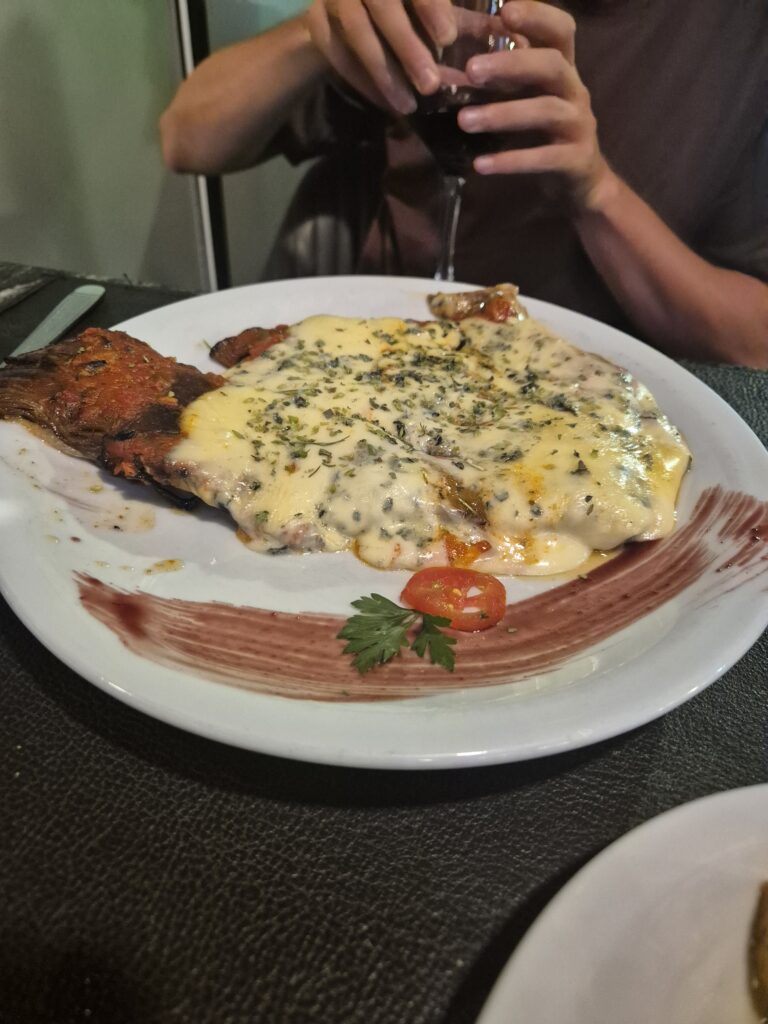
There’s cheese, fairly varied, but of very uneven quality. We still have a soft spot for cremoso cheese, which is cheap and melts into anything (even if it doesn’t taste like much).
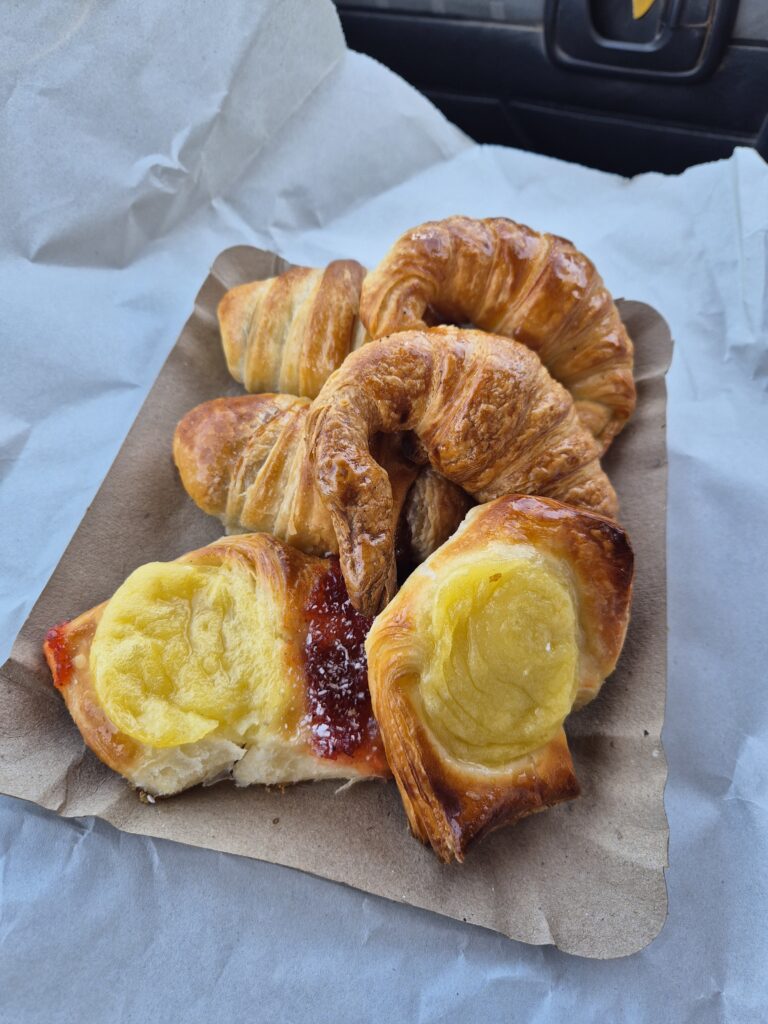
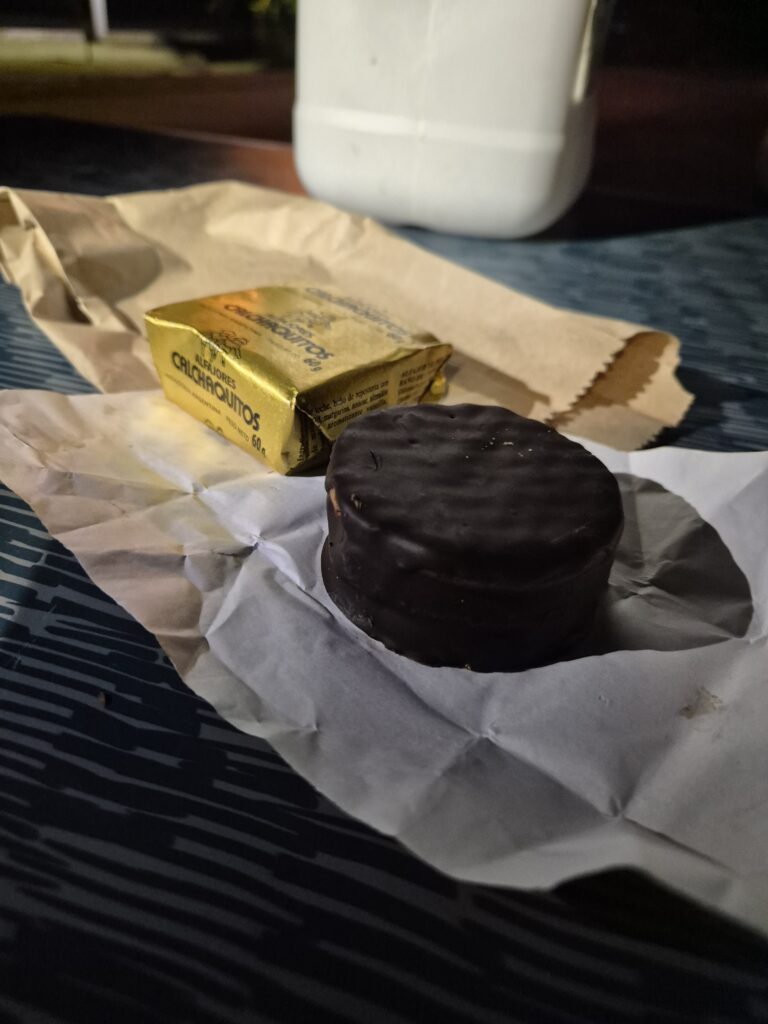
Of course, there are alfajores, two cookies sandwiching a layer of dulce de leche (manjar), and facturas , mini pastries sold by the dozen.
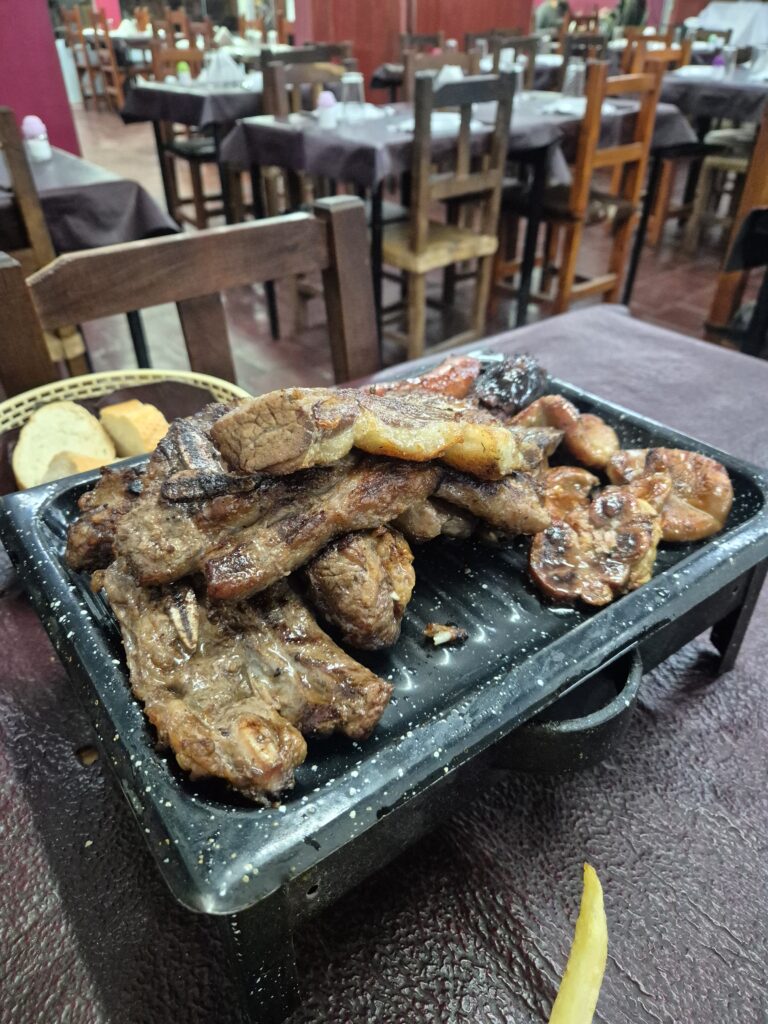
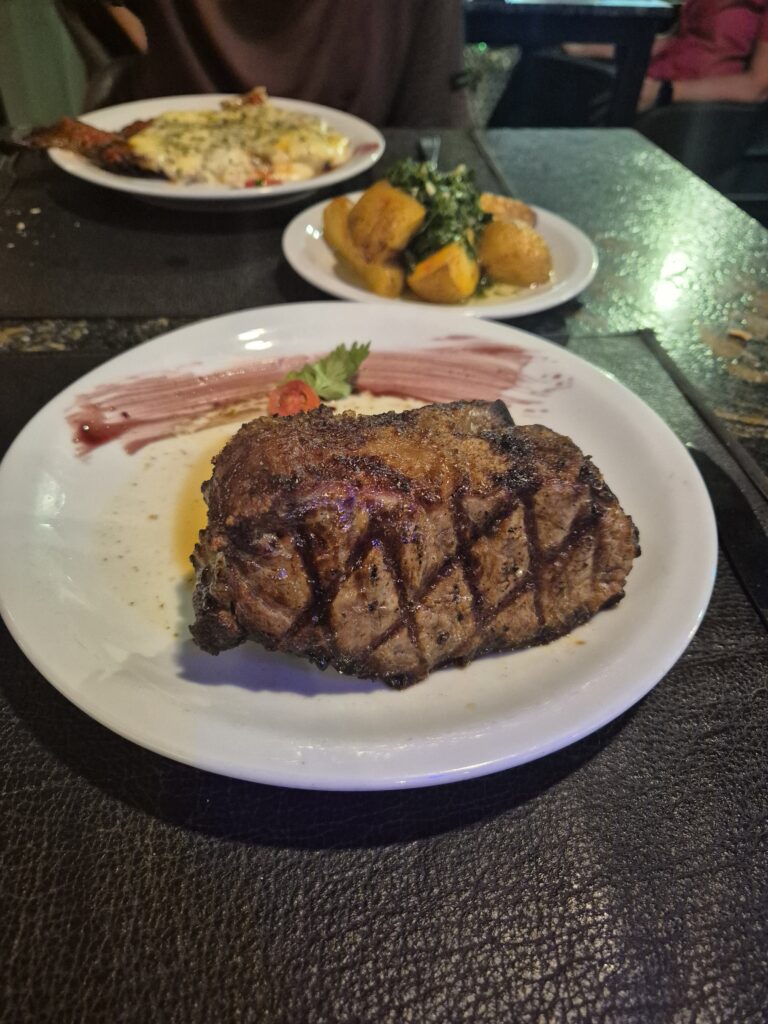
And then, of course, there’s the barbecue… In Argentina, not lighting a fire is practically illegal. You’ll spot fire pits and grills everywhere: in a remote forest, on a riverbank or in a national park. More than a meal, the asado is a culture. Argentines are the world’s second-biggest meat eaters (after their Uruguayan friends), so expect a loaded plate: beef, sausages, blood sausage and, their absolute favorite, tripe! You can find good-quality meat at low prices. Meat lovers could easily travel all over Argentina cooking only on the grill.
Budget
Spending by category
- Transportation$97136%$4.16 per person per day
- Activities$63523%$2.71 per person per day
- Groceries$47217%$2.02 per person per day
- Restaurants$2409%$1.02 per person per day
- Coffee, drinks$1917%$0.82 per person per day
- Lodging$1164%$0.49 per person per day
- Other$81.673%laundry $45 exchange fees $34 other $2.78
Cost of living and spending
Argentina’s economy has been very fragile for many years now, at least 15 years, we were told. The Argentine peso is unstable and volatile, to the point of affecting everyday prices. Costs fluctuate, some prices skyrocket, and people pay for everything in installments, go into debt and juggle several jobs. And yet they seem so resilient, as if they were used to this instability and lived with it without complaining day to day. Maybe we French could learn a thing or two from them!
An unofficial rate, known as the blue rate , was until recently used mainly by tourists to exchange money. For starters, bank fees for withdrawals are outrageous (we remember seeing a 20% commission at some banks), and the rate applied doesn’t reflect the currency’s real value. On top of that, by using this blue rate through Western Union, for example, you get more local currency for the same amount in euros.
During 2024, however, the blue rate dropped until it almost matched the Visa rate applied to card payments, making it much less attractive (and more expensive) for foreigners. On top of that, with the election of a new pro-Trump president and the country’s economic troubles, they seem to have decided to raise money by every means possible, which we can’t blame them for, including from our tourist pockets!
We were used to paying more than locals, sometimes even double, but prices had stayed reasonable. Not anymore: here we face outrageous, unjustified prices (see El Chaltén).
Many Argentines, especially in the tourism industry (restaurants, hotels…), disagree with this approach. You’ll see the sign “no al impuesto al turista” (no to the tourist tax) popping up in many businesses.
As for us, while we’re sorry about what the country is going through, we’re not planning to pay off its debt. No more honesty, no more naivety: in Argentina, we’ll cut corners wherever we can!
Overall, you need to distinguish between northern Argentina (poorer) and the south, like Patagonia, which is much more expensive. To give you an idea, in Patagonia we saw campgrounds at $28 per person and restaurants often charging over $22 a dish. As some Swiss friends put it, it felt like "Switzerland."
In short, for all these reasons, Argentina was a country of belt-tightening and going without (few restaurants, no hotels…), especially during our first stay in Patagonia. As a result, and thanks to the van, it’s the country where we spent the least on average!
Wrap-up
We spent nearly 4 months in Argentina, over several stays (Tierra del Fuego, southern Patagonia, northern Patagonia, the center west, the north). That says a lot about a huge territory of rare diversity: glaciers, volcanoes, alpine forests, deserts, jungle… Even after 4 months, we feel we missed a good part of the country!
For Camille, Argentina will remain THE country of the trip, a land of adventure and freedom, where we probably pushed the spirit of travel further than we’d ever imagined. Having traveled by van, we’d never consider any other way to get around this gigantic country that’s just waiting to be explored. Almost all our favorite spots are impossible to reach by public transportation.
Culturally, although the regions differ a lot, you’ll often feel at home, as in Europe, with a culture and identity that are largely European (Italian, German). In any case, while we had little contact with Argentines in the south, from Mendoza onward we met very welcoming people.
116 nights
Tops
- Some national parks completely free (entrance, camping)
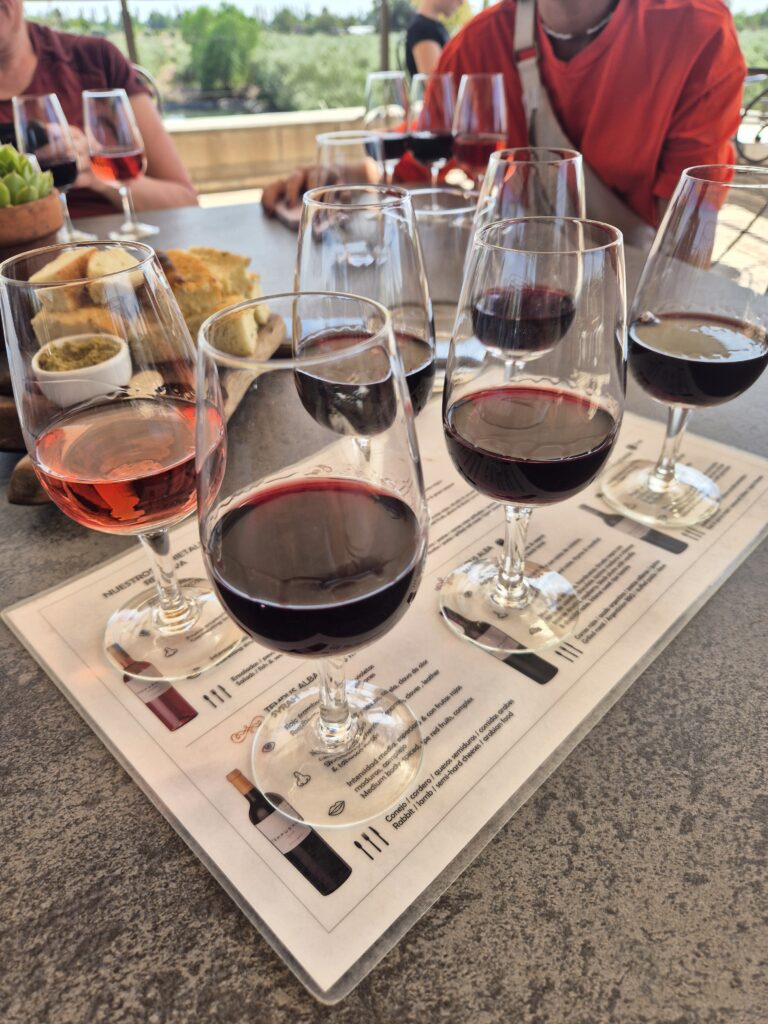
- Value for money: wine, meat
- Warm welcome in the north
- Safe tap water everywhere
- Mountaineering (generally free to go, “easy”)
Flops
- Cost of living!
- Very uneven condition of national highways
- Cell coverage
- Police checkpoints everywhere
- Guanacos caught on barbed wire fences in Patagonia
What we missed
- Puerto Madryn and the Valdés Peninsula
- Laguna del Diamante
- Paso Los Libertadores and the road to Aconcagua
- Córdoba
- Buenos Aires