
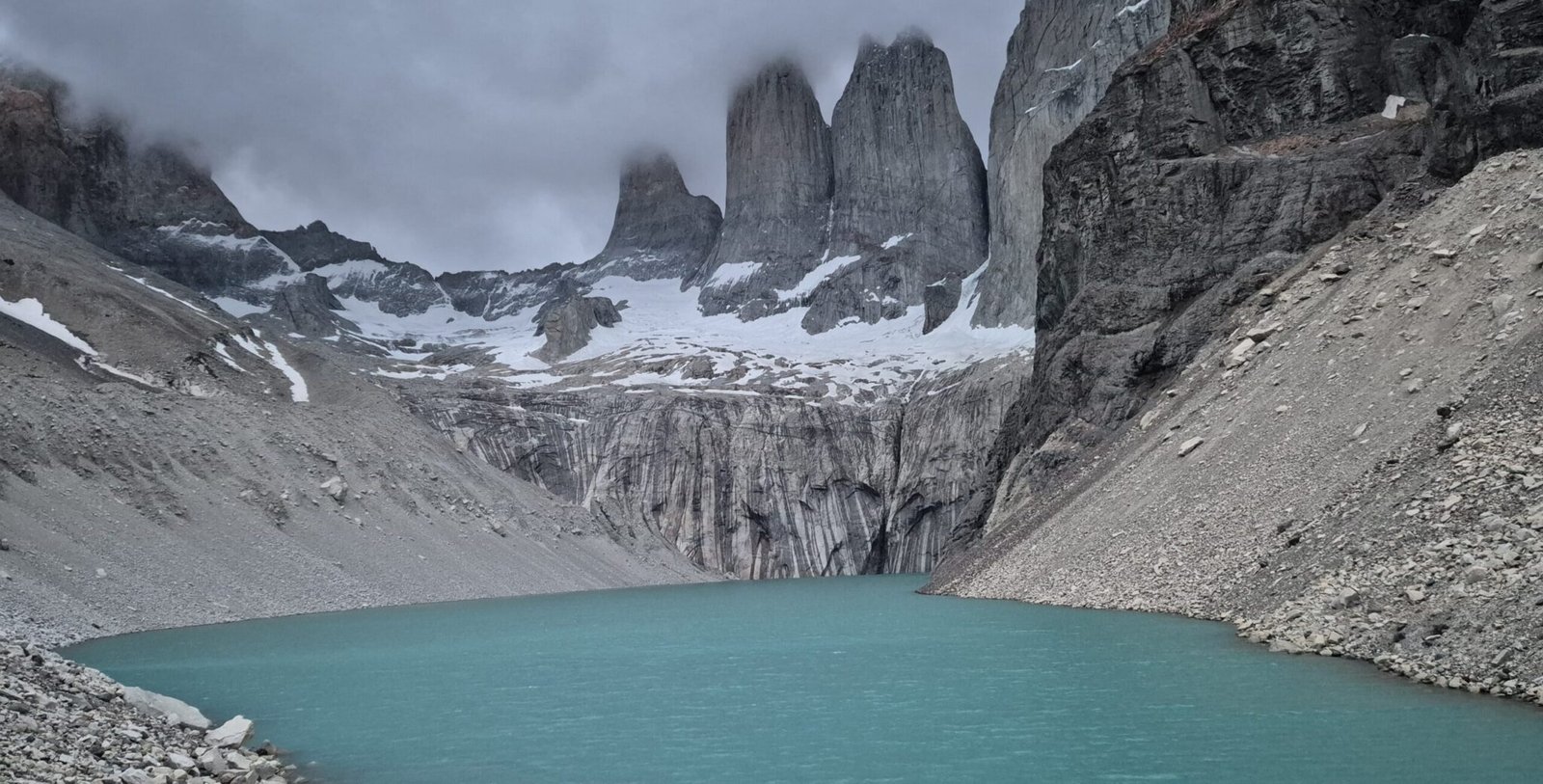
Chile
October 2024 to June 2025
- 85days in the country, over 4 stays
- 4,808 milesby van
- 618 mileson foot
- $7,150spent for the two of us
The route
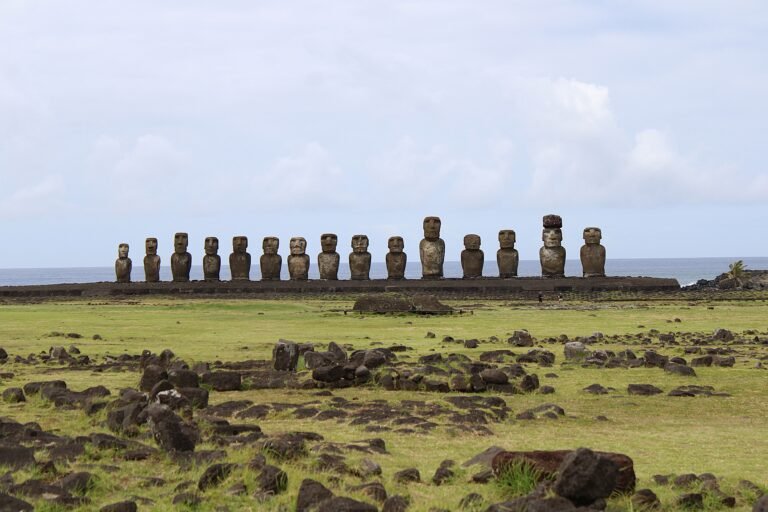 1Easter Island (Rapa Nui)¡Hola a todos! Here we go: after a day in Santiago spent resting from running around everywhere, we flew to Easter Island, whose real name is Rapa Nui. 5…
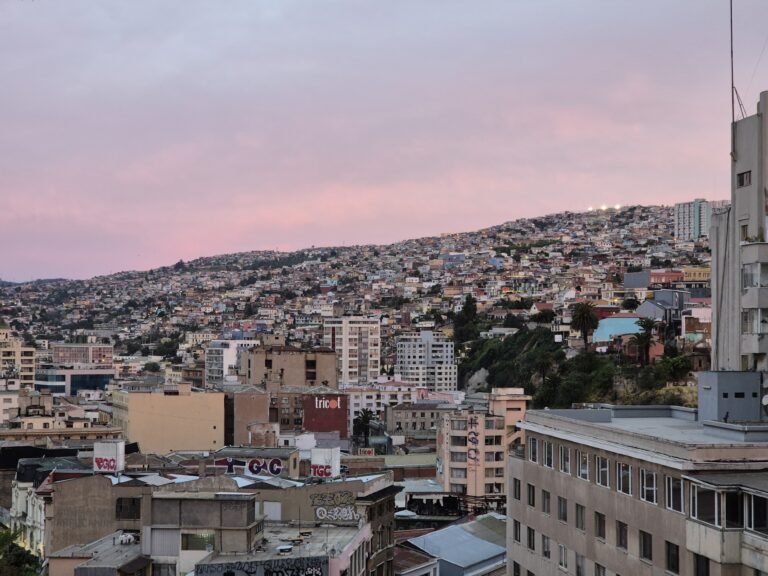 2Santiago and AroundSantiago de Chile, the capital! An unavoidable first stop on our journey, Santiago serves as a transition for what comes next: doing some shopping to…
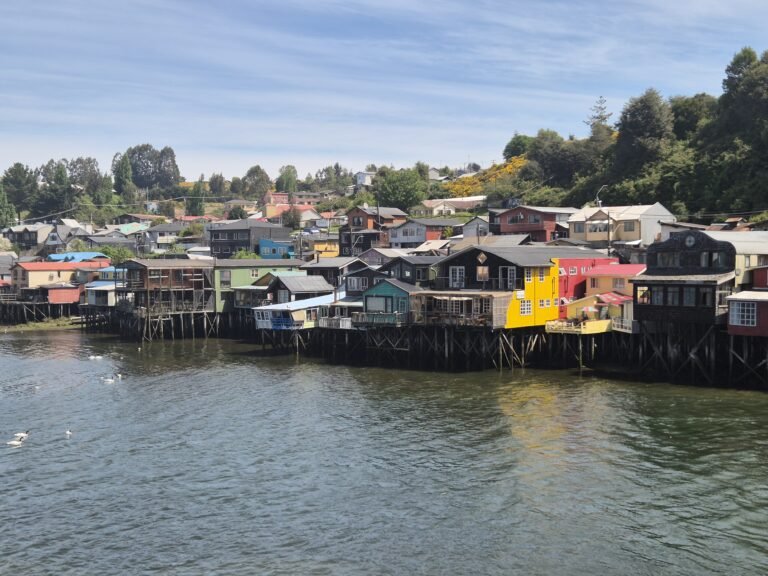 3Chiloé IslandThe Chiloé archipelago marks our entry into Chilean Patagonia. Many think of it as a peninsula, perhaps because it looks so close to the mainland,…
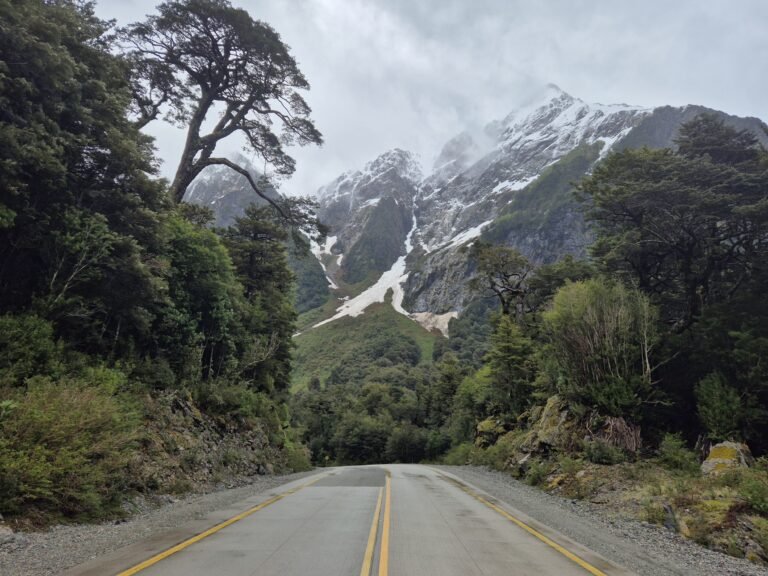 4The Carretera AustralFew roads are as evocative as the Carretera Austral. A legendary land of adventure and isolation, its very name rekindles buried dreams or memories…
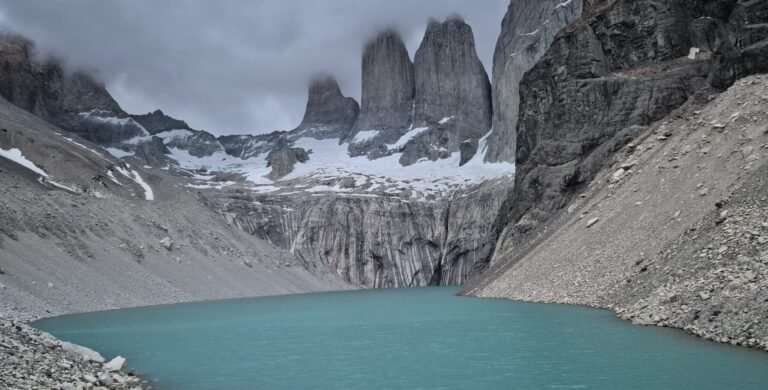 5Torres del Paine, Between Peaks and GlaciersO Circuit: the O is the full loop around the Paine massif, done in 8 to 10 days. It includes the northern section, which isn’t part of the…
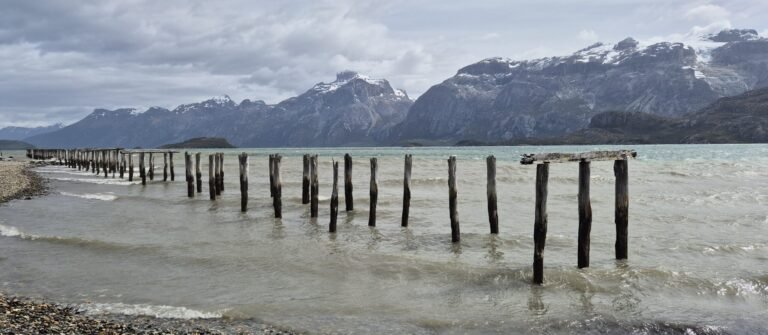 6Caleta María, the Other End of the WorldFar, very far from the flashy tourism of Ushuaia, the self-proclaimed southernmost city on the planet, lies Caleta María, on the eastern side…
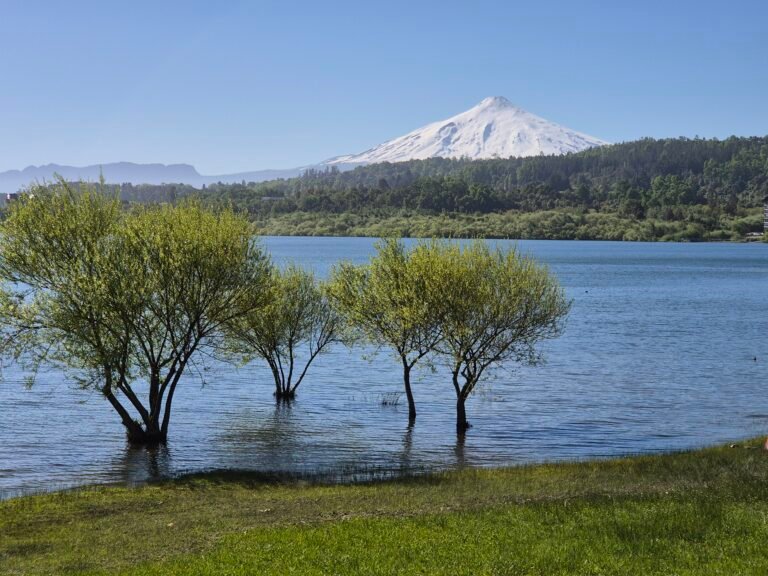 7Discovering AraucaníaAh, Araucanía! We’ll pass through the region twice. The first time is at the very start of the trip: it’s October, it’s cold, snow covers…
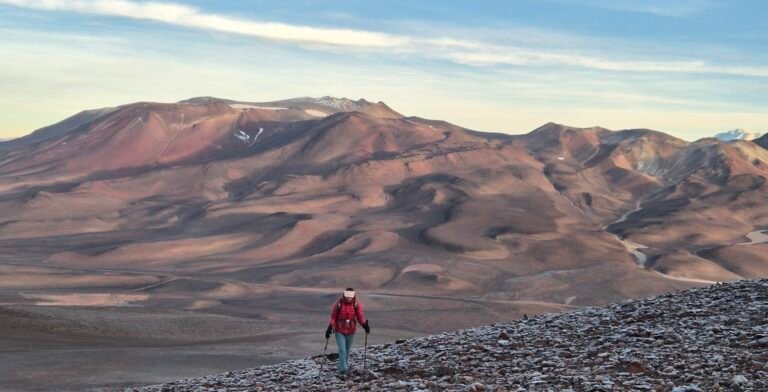 8Los Seis MilesThe Altiplano is an ecoregion of the Andes made up of high plateaus above 13,100 ft. The term Puna (from the Quechua for “high lands”…
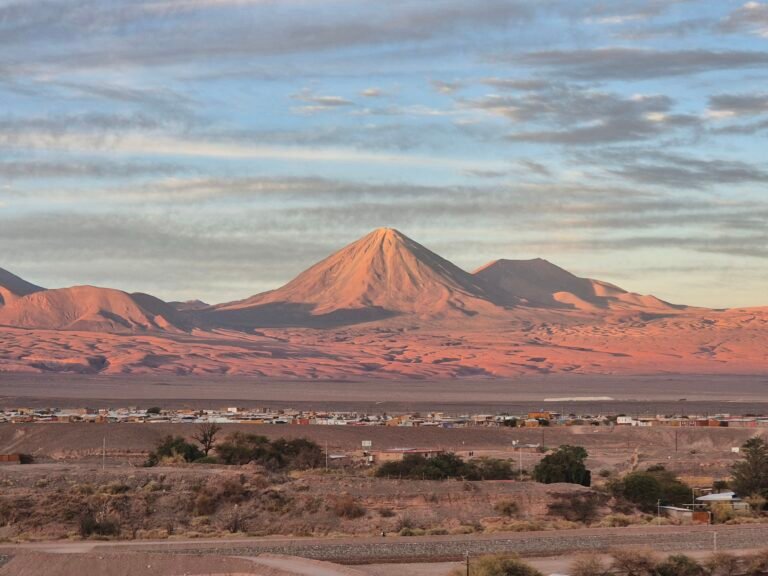 9Atacama Desert6 months after our first foray into Argentina, in Tierra del Fuego, we leave this huge country with our heads full of memories. Next stop: San Pedro de…
Our favorites
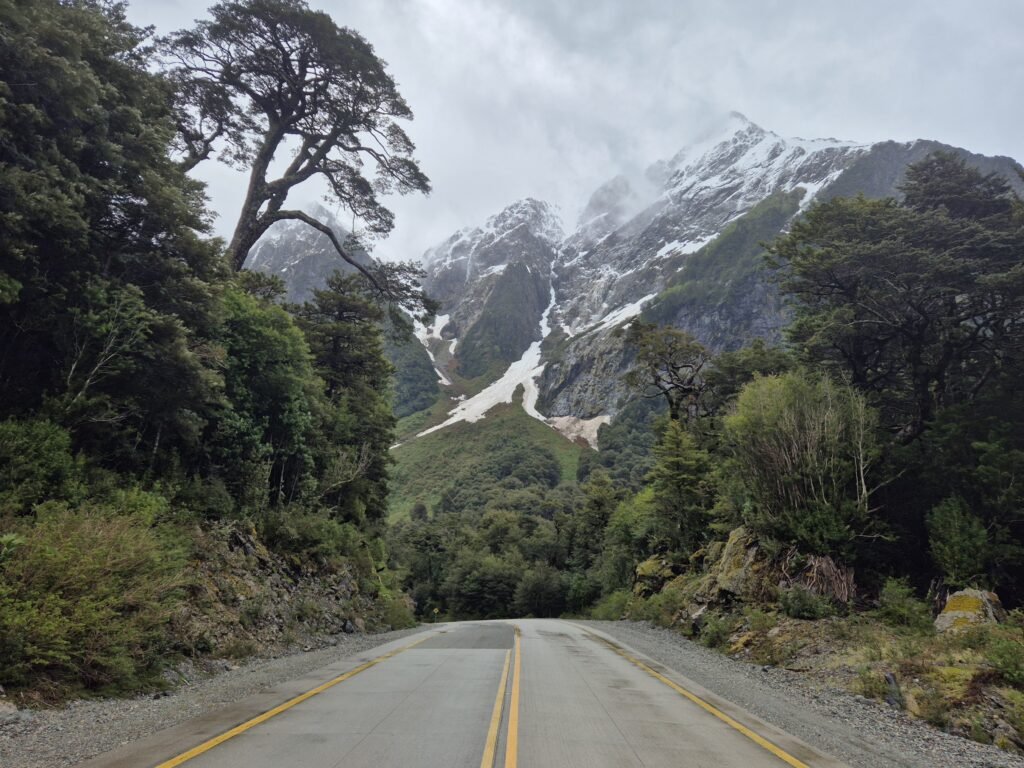
Carretera Austral
A legendary road among glaciers, national parks galore and a ferry through the fjords to Puerto Natales. A real journey.
Read the stage →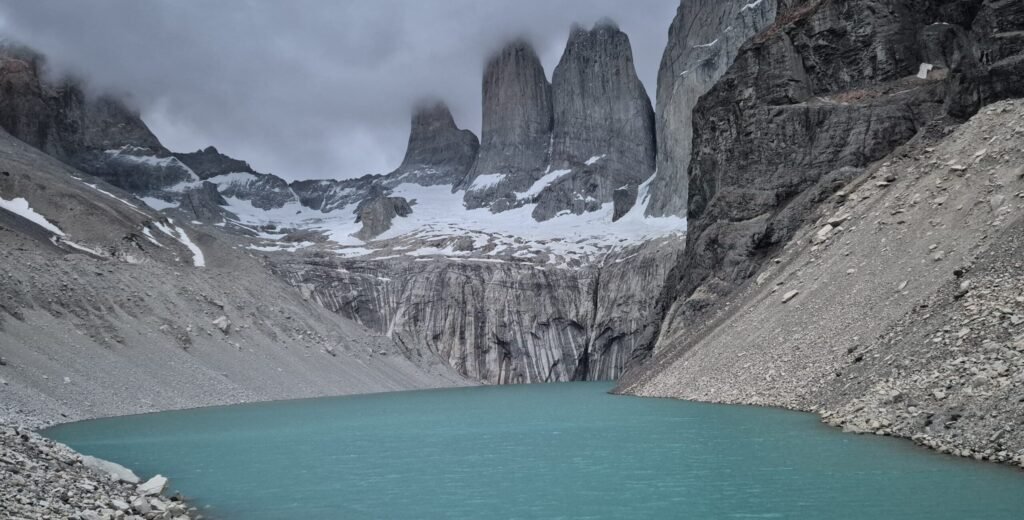
Torres del Paine
Not the least touristy or the cheapest (and we mean it), but our 2-day road trip through the park and then the O Circuit (8 days) left us in awe. Glaciers, lagoons, granite peaks and, of course, a sea of ice as far as the eye can see!
Read the stage →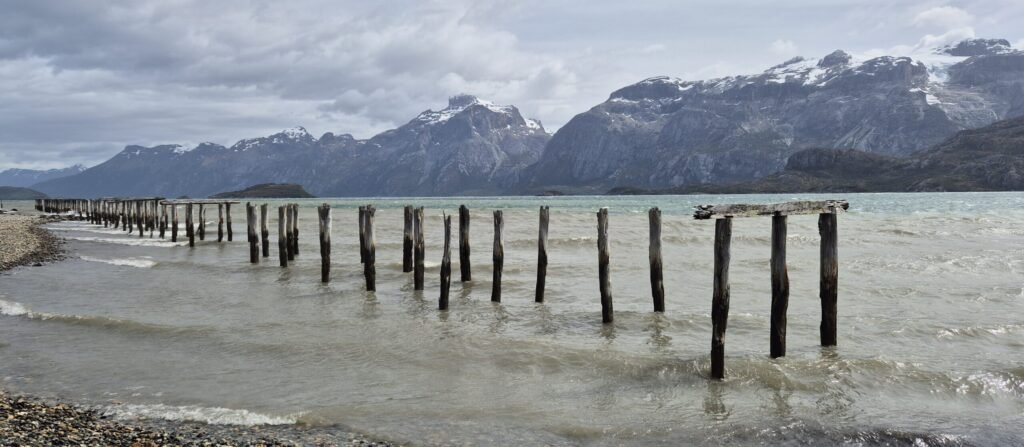
Caleta María
In Tierra del Fuego, at the very end of the Chilean road, a forgotten bay among glaciers is home to a small colony of king penguins. Alone in the world, we spent 2 days watching them, spellbound by this wonderful sight.
Read the stage →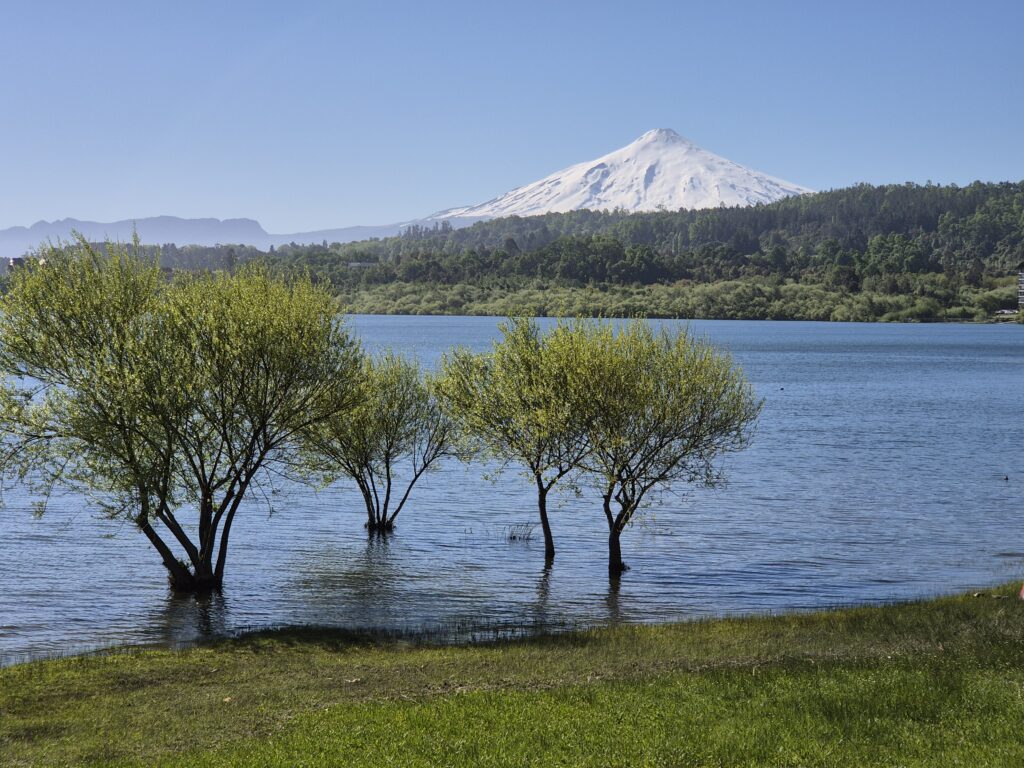
Araucanía
Volcanoes with perfect cones, ancient trees, huge lakes: the Araucanía region offers an incredible range of landscapes and activities. Without a doubt one of the best chapters of our trip.
Read the stage →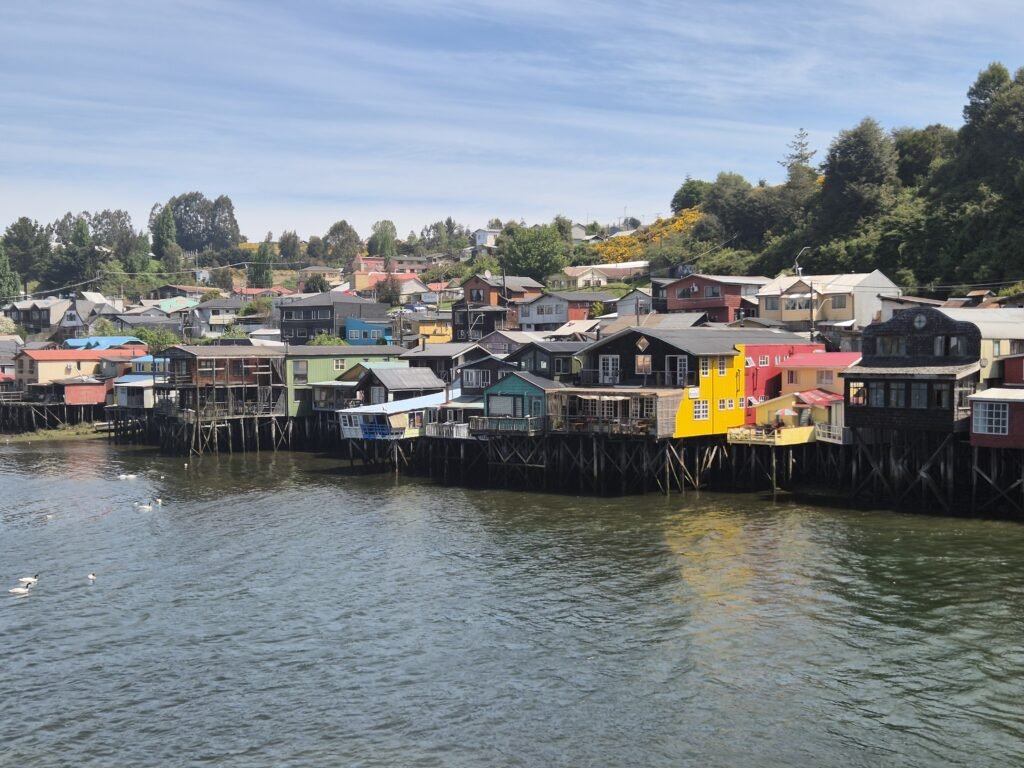
Chiloé Island
With its colorful houses, its welcoming people, its wild coastline and its food, Chiloé was a treat for almost a week.
Read the stage →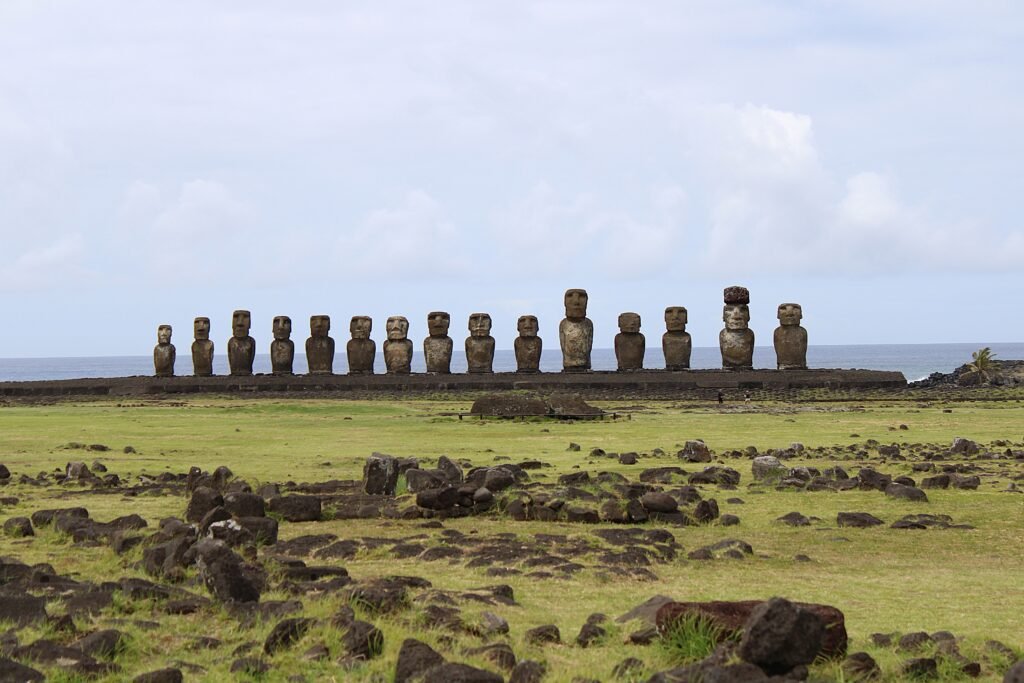
Easter Island
We were enchanted by the mystical charm of this island lost in the middle of the Pacific and its centuries-old statues, masterpieces of ingenuity.
Read the stage →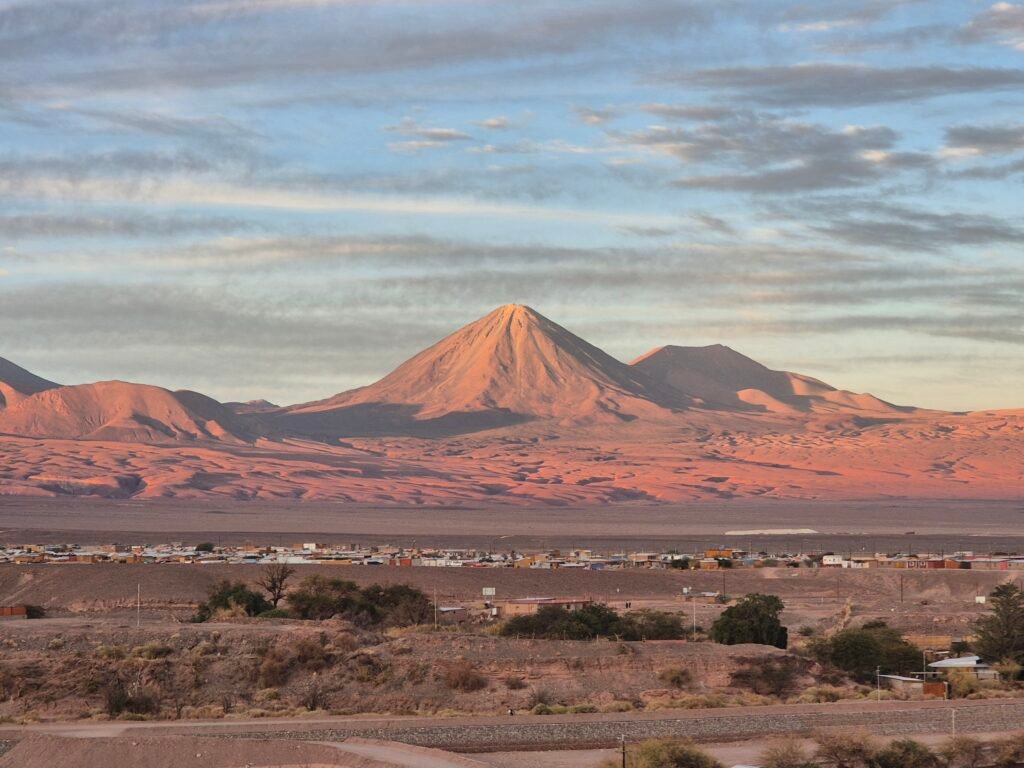
Atacama
After a first foray into the southern Atacama Desert, we came back several months later, this time to San Pedro. The village didn’t win us over, but we discovered stunningly beautiful geology.
Read the stage →Practical info

- Capital
- Santiago
- Language
- Spanish
- Currency
- Chilean peso (CLP)
- Length of stay
- 90 days, renewable by leaving and re-entering the country
- Time zone
- UTC−3/−4 (0 to 2 hours ahead of US Eastern Time)
- Country code
- +56
Good to know: driving
If you’re thinking about buying a vehicle in Chile, check out our dedicated page .
On the highway, always keep to the right at toll plazas. There’s no electronic toll lane like in France: vehicles with a tag drive straight through and their plate is scanned. Vehicles without one must go through a booth on the right, or you’ll get a fine (online).
Gas stations (Copec, Shell) along the highway sometimes have showers (often free), clean and hot!
Gas costs around $5.00 a gallon.
Insurance (SOAP) is mandatory.
Mountaineering
Very few peaks in Chile can’t be climbed on your own. Some rules may apply in reserves and national parks (gear, experience…) or in private, military or mining areas.
Most peaks are close to (or right on) the border with Argentina or Bolivia. In that case, you simply need to apply for a DIFROL permit (free).
Money
Most Chilean banks charge extra fees for withdrawals and sometimes have a low limit. Check before withdrawing; 2 banks let you withdraw without fees: Scotiabank and Banco Internacional (check their opening hours, as their ATMs are often inside).
There’s a VAT on lodging for foreigners, and you’ll pay a hefty tax at any hotel. On booking sites, you’ll see the nightly price, and probably the additional taxes in a separate box. For $28, expect about $7 in tax!
It’s customary to leave a tip at restaurants; it’s sometimes even added straight to the bill.
Phone plan
If you get a Chilean SIM plan for more than a month, you must register it at http://multibanda.cl/empresas-certificadoras/ or your SIM may end up blocked!
As for carriers, we got a WOM SIM card in Santiago, but we almost never had signal outside big cities. The second time, we went with Claro, whose coverage (in Araucanía) was pretty good. If you plan to roam the backcountry, we heard great things about Entel , probably more expensive but with much better coverage by comparison.
CONAF
It’s the agency that runs and maintains Chile’s parks and reserves. You’re bound to come across them during your stay.
Their staff are always very helpful and tell you about the trails and current conditions, but we have mixed feelings about other things.
At times, we felt a bit like we were being treated as children. Trail closures often seemed exaggerated to us (a little snow on the path…), as did the cutoff times sometimes imposed to start a trail. Not everyone has the same fitness and experience; maybe some visitors tend to take risks…
Information about the parks (opening days and hours, open trails…) is often hard to find. The CONAF website rarely seems up to date and doesn’t always match the park booking site. We recommend emailing them (see the CONAF email listed for each park) with any question: they’re pretty responsive, and it’ll save you a lot of searching.
Reserves and national parks
Most Chilean national parks charge fees, and fairly high ones. All of them (or almost…) have been booked since 2024 through https://www.pasesparques.cl/en
With rare exceptions, you can’t buy your ticket at the park itself, and there’s usually no cell signal. Plan ahead!
So outside the high season, it’s essential to check trail conditions (by emailing them), or you might pay the entrance fee for… a single 20-minute trail. That’s expensive!
In principle, your ticket gives you access to the park on the date shown. As long as you don’t leave, you can stay as long as you like.
In practice, camping isn’t allowed outside CONAF’s (paid) campgrounds, so you still have to pay for every day you stay, and some parks have no campground at all.
In some parks, like Conguillío or Laguna del Laja, you can sleep in your vehicle inside the park (not in a tent!). In others, like Patagonia, you still have to park at the campground and pay for it.
Back to park fees: foreigners pay more than locals (as everywhere in the Americas). Expect CLP 7,500 and up for entrance, sometimes over CLP 12,000. If you visit several parks, or stay several days in one, the bill can add up fast.
Seasons
Because of the country’s range of latitude and altitude, the climate is very different between the north and the south.
In Patagonia, traveling in the dead of winter can be tricky. When we drove south from Santiago in spring, many parks were closed or heavily restricted.
What to eat
Chilean food in a nutshell
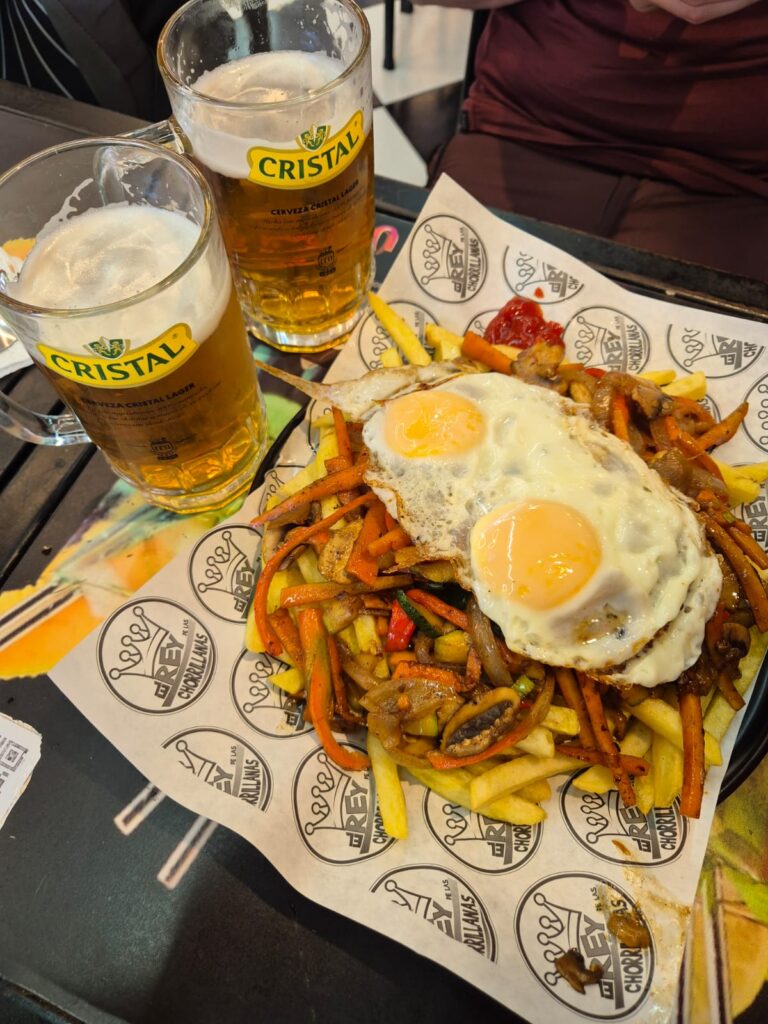
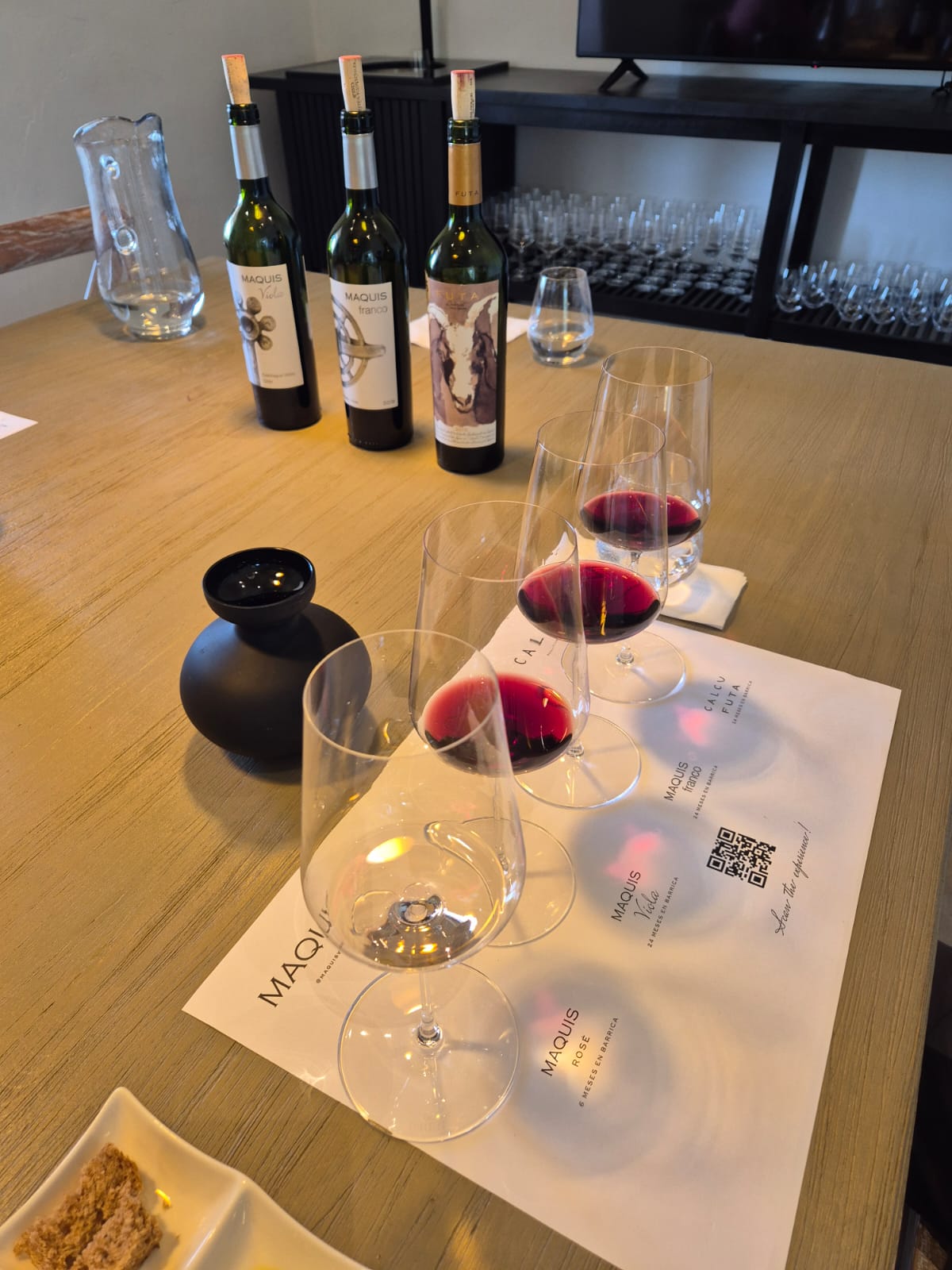
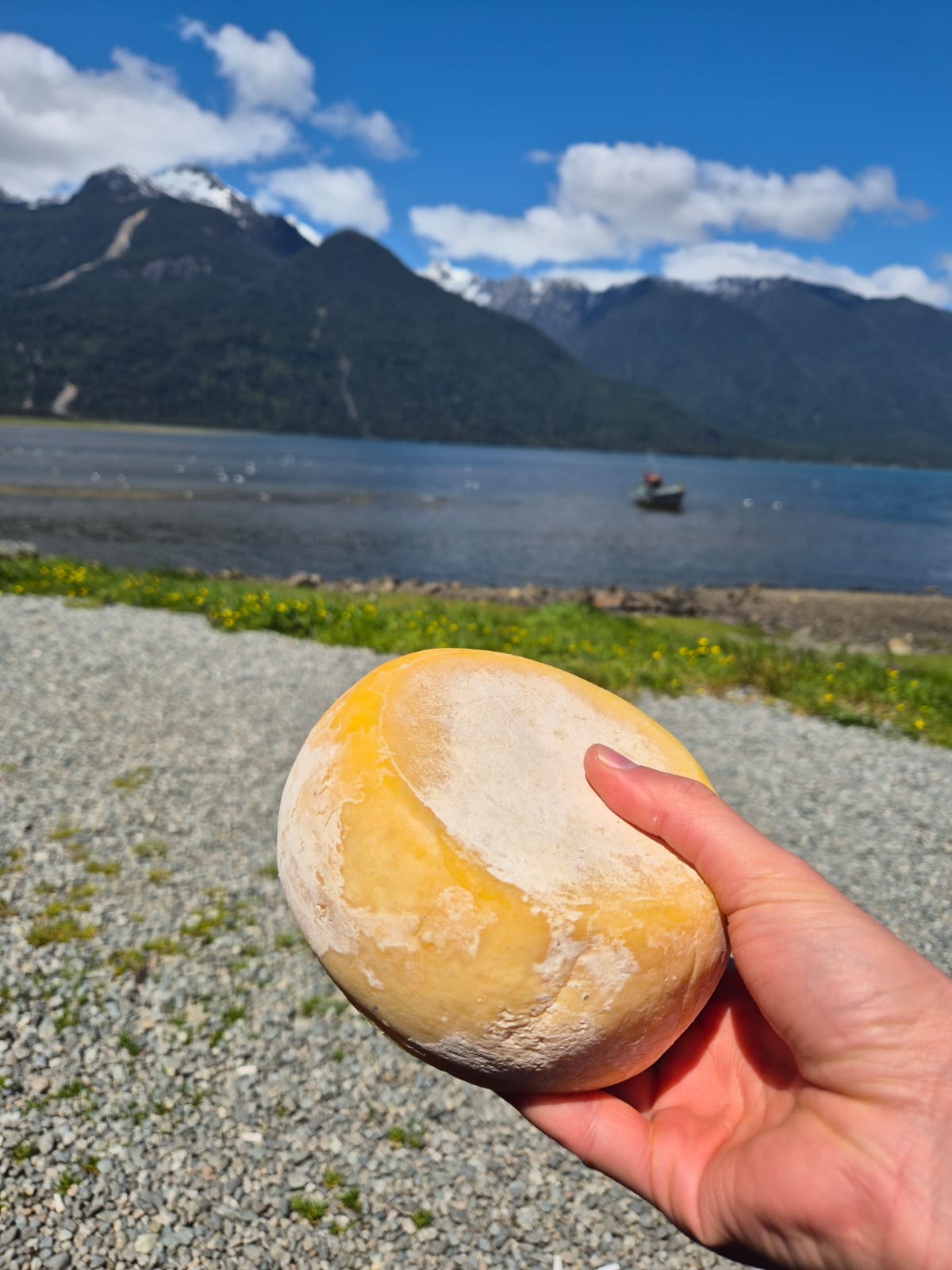
Chile clearly didn’t win us over with its food culture. Heavily influenced by Western culture, you’ll mostly find international menus and lots of fast food.
On the other hand, supermarkets have fairly varied products at good prices, which is lucky, since we cooked most of the time.
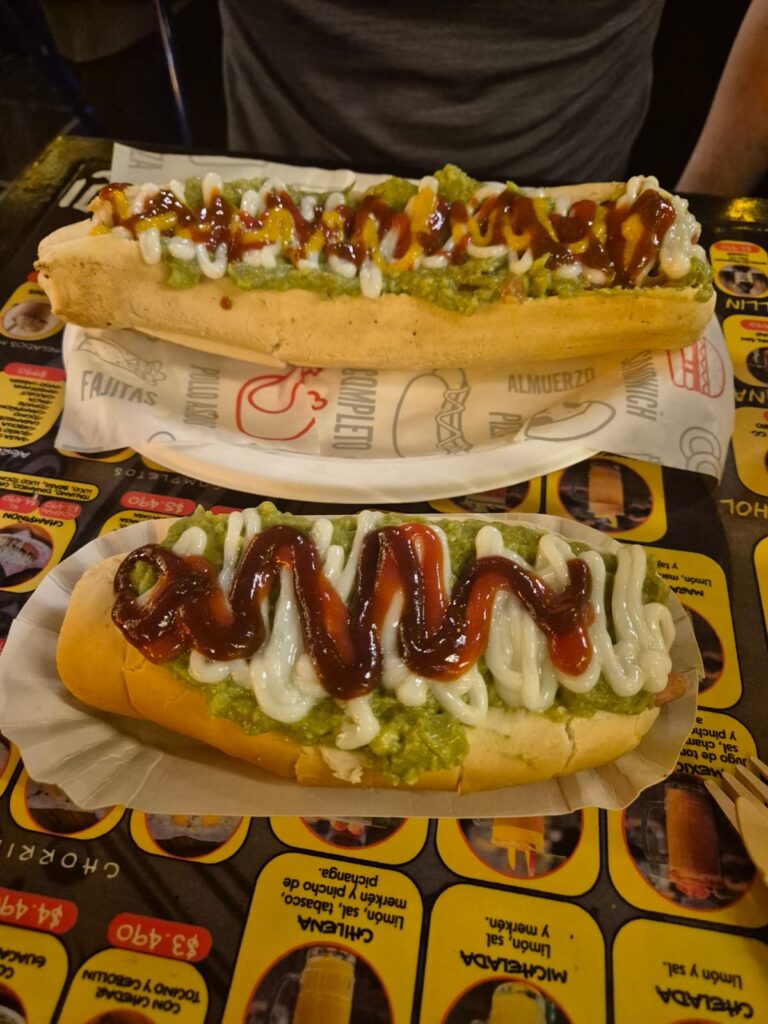
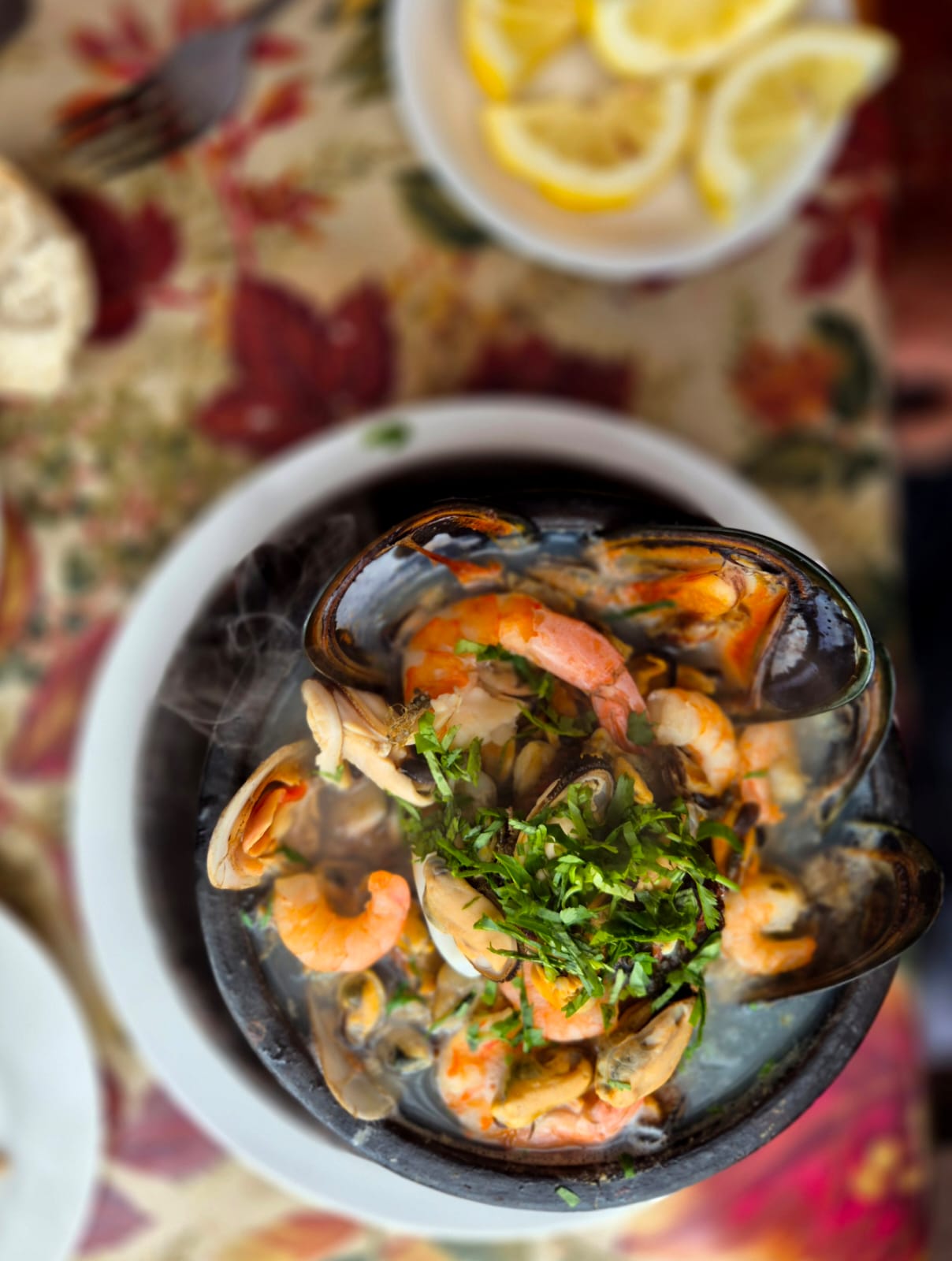
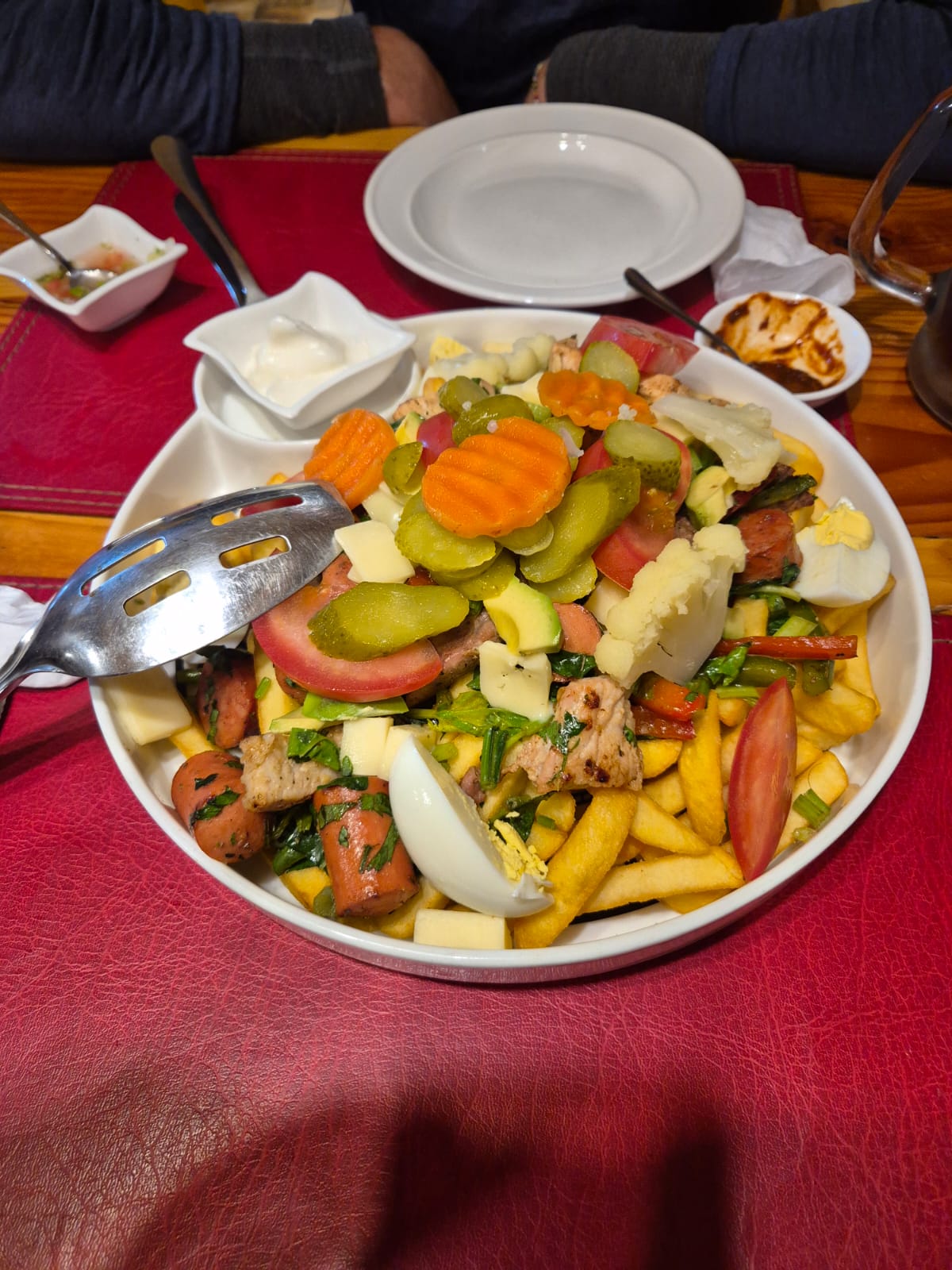
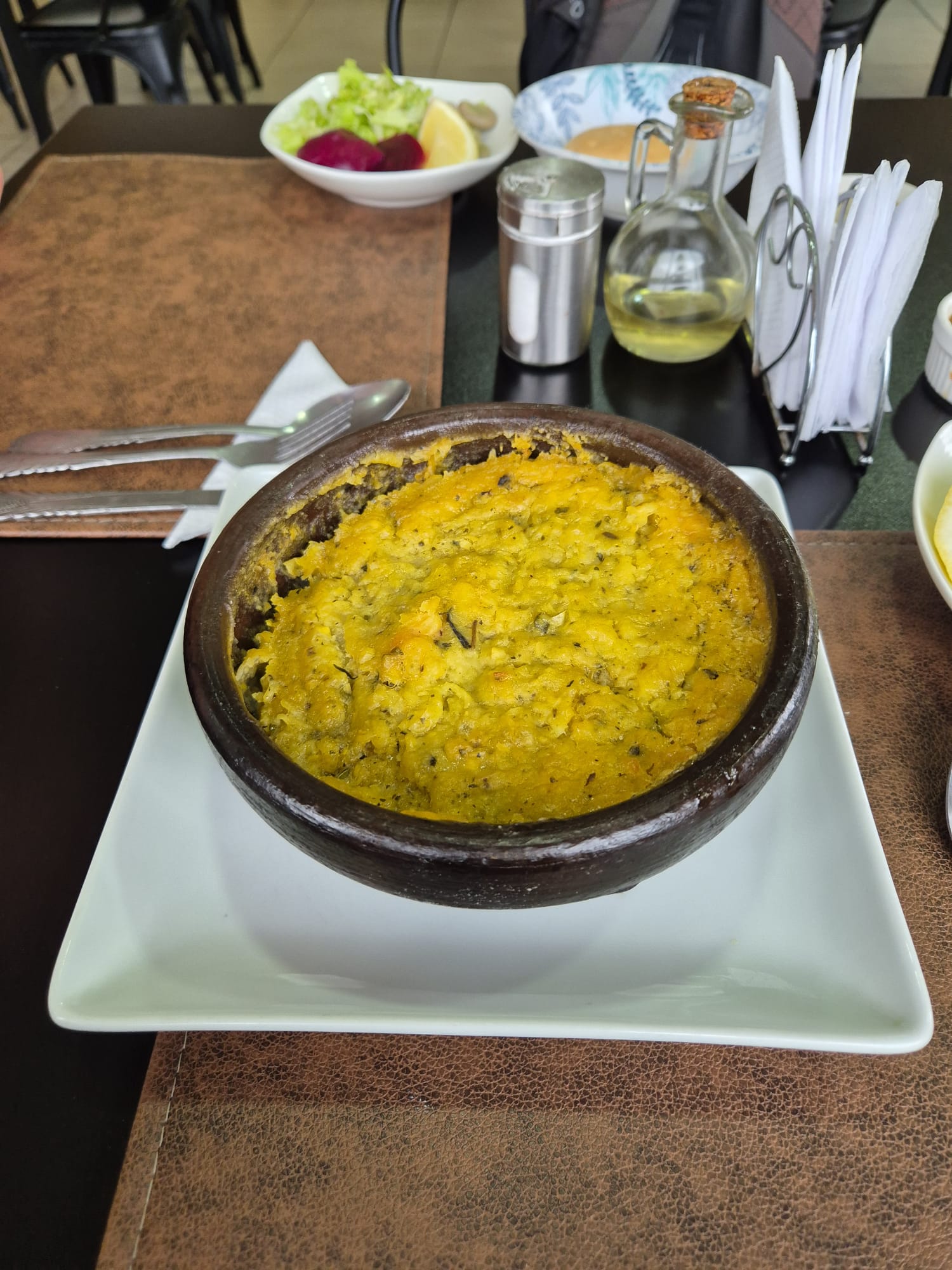
To name a few dishes anyway: the completo (a Chilean hot dog with avocado), which we made many times on the road, pastel de choclo (a delicious bake of creamy corn over a meat stew), and pichanga , a plate of fries topped with pieces of meat and pickles.
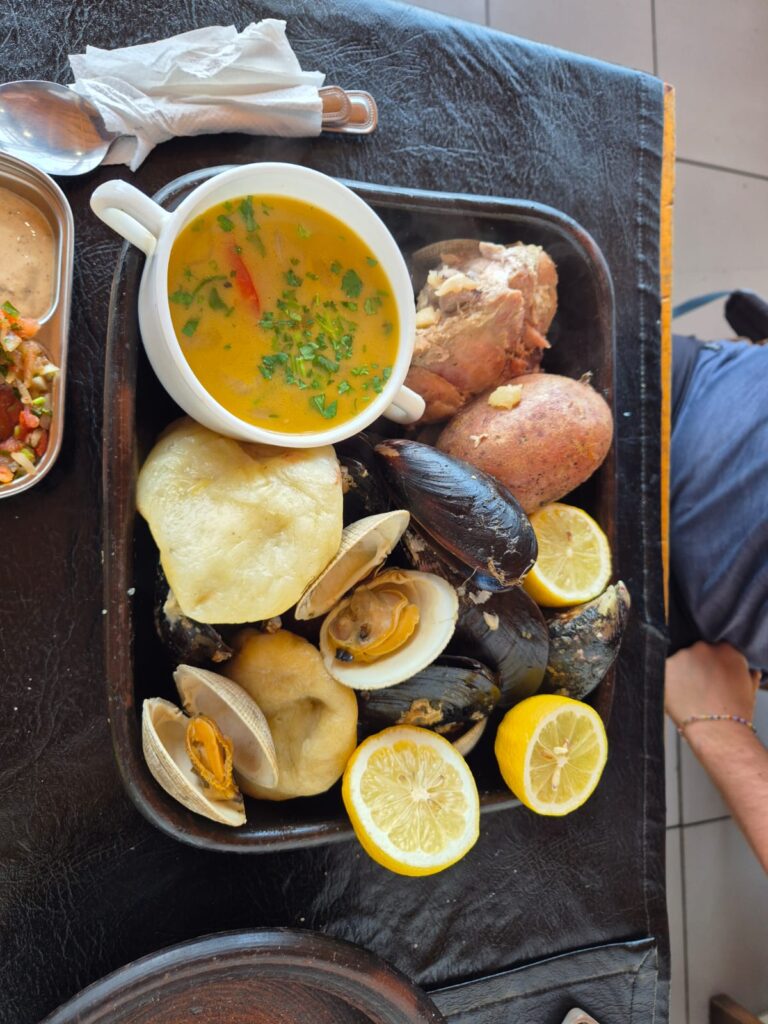
On Chiloé, you’ll find lots of cheap fish and seafood, and of course we tried the great classic, curanto .
Budget
Spending by category (excluding Easter Island)
- Transportation$1,86136%$11.78 per person per day
- Groceries$1,53029%$9.69 per person per day
- Activities$58511%$3.70 per person per day
- Lodging$58111%$3.68 per person per day
- Restaurants$51210%$3.24 per person per day
- Coffee, drinks$551%$0.34 per person per day
- Other$731%laundry $41 exchange fees $19 other $13
Easter Island
- Flight$1,09456%$91.20 per person per day
- Activities$60731%bike rental $45 guide $400 national park $162
- Lodging$1447%$12.03 per person per day
- Groceries$694%$5.74 per person per day
- Restaurants$392%$3.24 per person per day
Cost of living and spending
Chile is expensive. Very expensive. Many people are surprised, especially when they arrive from Bolivia or Peru. It’s even the most expensive country in South America (at least it was until prices exploded in Argentina in 2024), although there are huge inequalities within the population, and the average salary is around $444 a month.
Most national parks charge fees, so be sure to factor them into your budget.
Off season, expect to pay from $33 for lodging with shared facilities, and barely less for a bed in a dorm. Campgrounds are often around $9 per person, sometimes plus a fee for the vehicle.
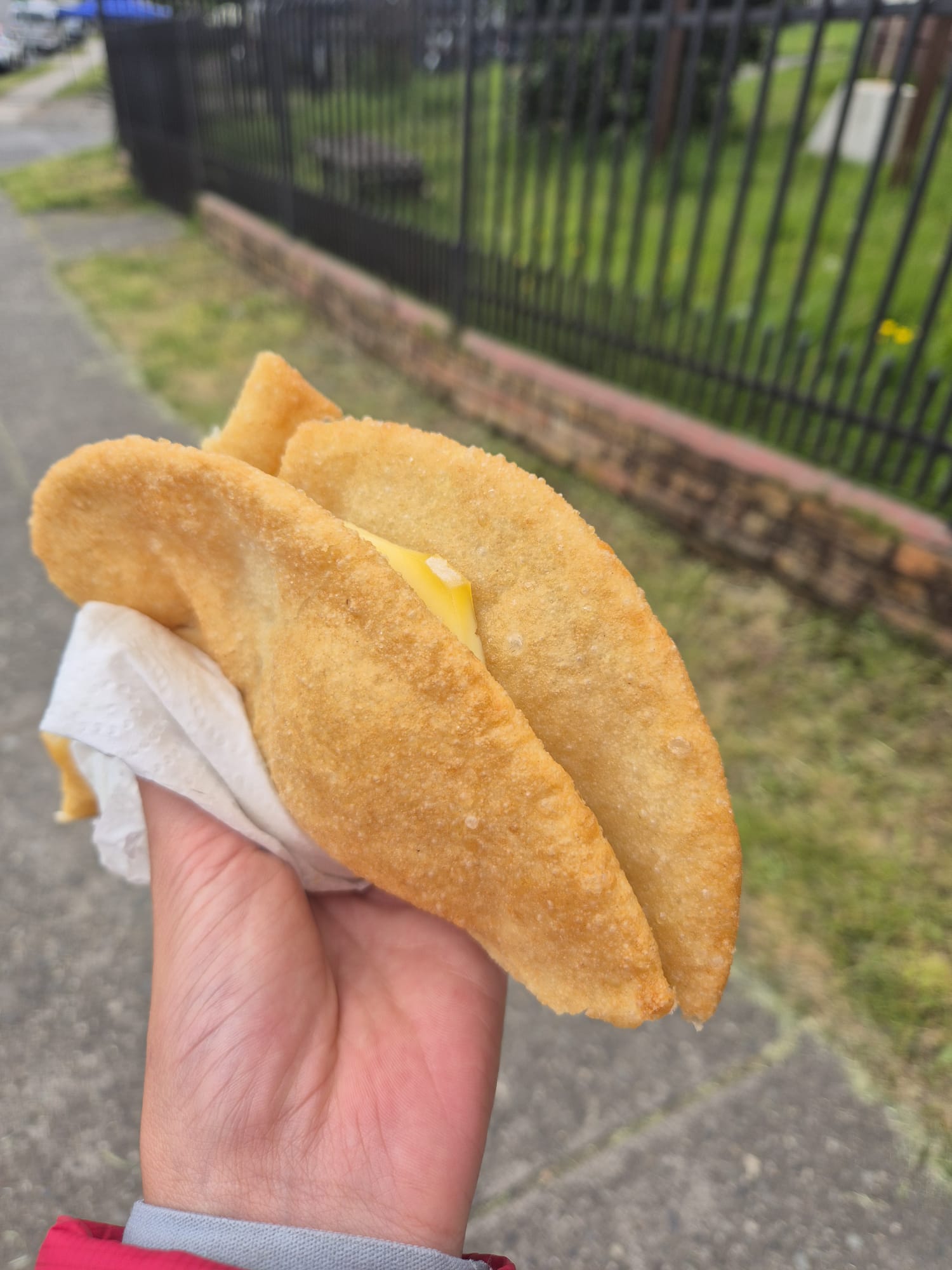
Restaurants charge from $11, depending on the area. Make the most of local markets and set lunch menus (almuerzo) to go easy on your wallet and discover local food. You’ll often find empanadas for a snack, from $1.67 on the street, more like $2.78 in shops.
Traveling by van (no lodging) and starting with Chile (easier to cut back at the beginning, especially on restaurants), we saved a lot on day-to-day spending. A good part of our expenses date from the start of the trip, while we were looking for the van (Santiago, Valparaíso), plus of course our Easter Island splurge and the drive down the Carretera Austral (ferries, Torres del Paine, gas…).
Of course, you need to distinguish between northern Chile (poor or touristy), southern Chile (very expensive) and Easter Island.
Wrap-up
Chile was the first country of our year-and-a-half journey. We passed through it 5 times: first to buy our van and drive down the Carretera Austral, then again in Tierra del Fuego, in Araucanía, and twice in the Atacama Desert. Those names alone show an exceptional contrast of landscapes. That’s Chile in a nutshell: an incredibly long country with a rare range of ecosystems: deserts, volcanoes, glaciers, ancient forests… and many unexplored areas. We stayed almost 3 months and feel we only explored a tiny part of it.
Culturally, it’s not where we felt the most out of our element, with its strong Western influences, nor where we felt the most welcome.
94 nights
Tops
- Varied, affordable food (cheese, meat…)
- Big supermarkets (food, gear)
- Main roads in good condition
- Cost of gear (hiking, car…)
- Card payments widely accepted, fee-free withdrawals at some banks
- Very green in the south
- Free showers along the highways
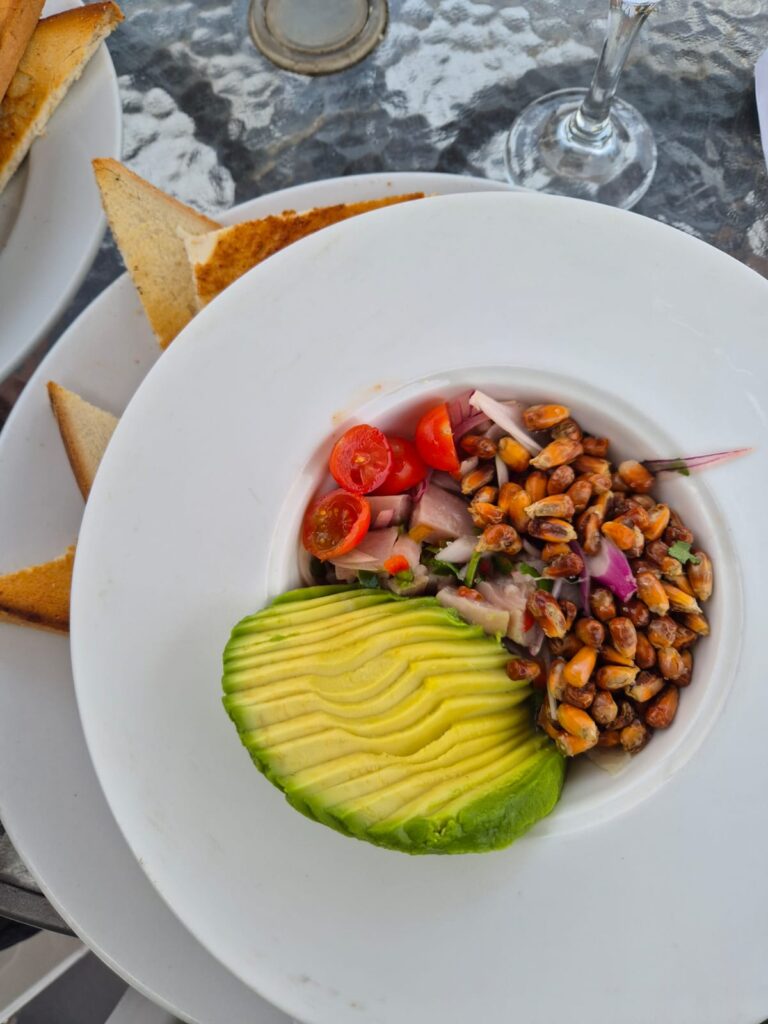
- Some affordable street food (completos, empanadas, ceviche on the coast…)
- Great wild camping spots
- Variety of landscapes
Flops
- The SAG (Agriculture and Livestock Service)
- Gas prices
- Cost of living
- You pay for everything (and that was before Atacama)
- National park booking system
- CONAF’s overcautiousness
- Very Westernized
- Thousands of miles of barbed wire in Patagonia
- North: safety concerns, tricky border crossings, unfriendly people
- Campground prices
- Hot springs prices
- Santiago’s chaos
What we missed
- Exploradores Valley and Glacier
- Elqui Valley
- The Andes around Santiago
- Futaleufú
- Cerro Castillo trek
- Pan de Azúcar National Park
- The north: Lauca, Las Vicuñas, Isluga, Surire…