
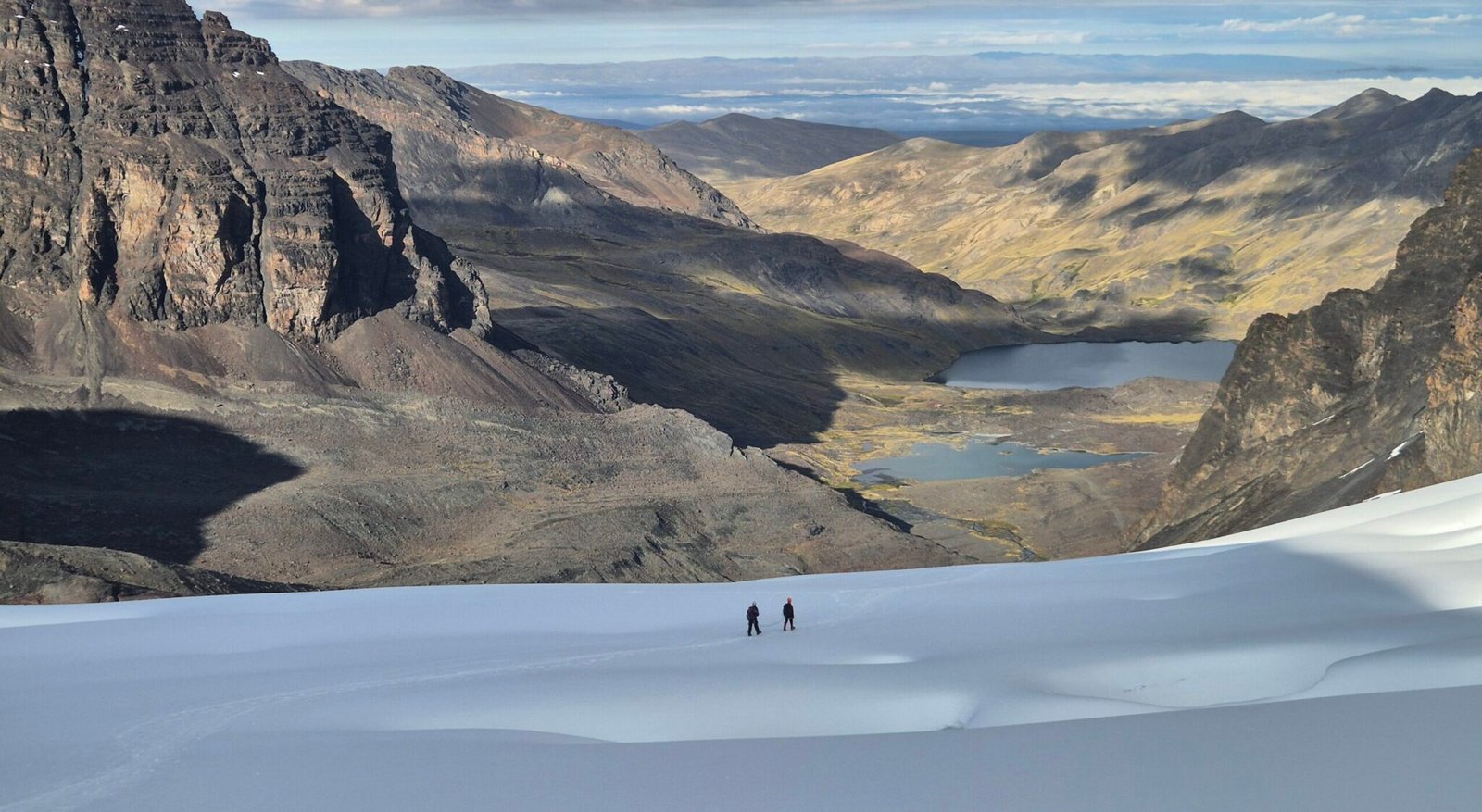
Bolivia
March 2025 to July 2025
- 96days in the country, over 2 visits
- 3,380 milesby van
- 463 mileson foot
- $3,647spent for two
The route
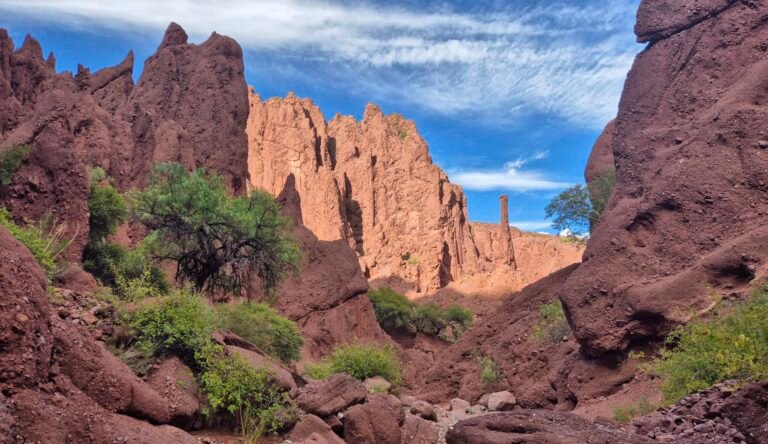 1Tupiza, Bolivia’s Wild WestAfter more than 5 months between Chile and Argentina, it’s high time to cross into Bolivia (okay, we’ll be back in Argentina soon enough…). We enter through…
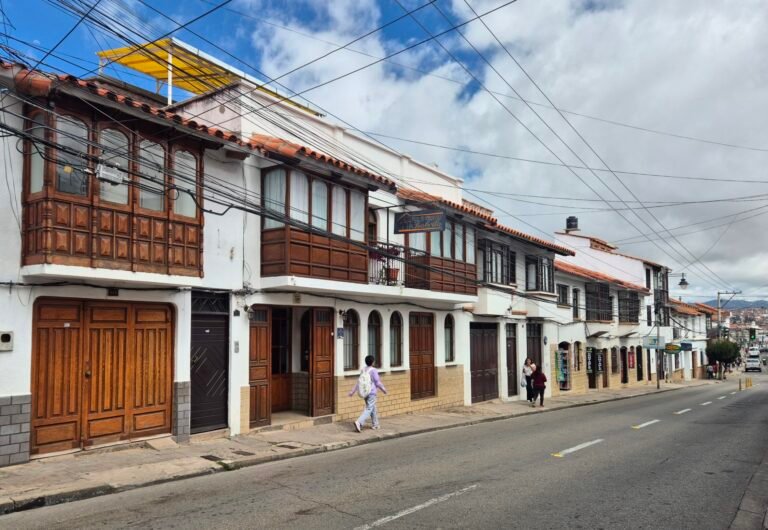 2Sucre, the White City, and the Maragua LoopAfter Potosí, we keep exploring Bolivia by heading a little lower, to Sucre, the White City. On the agenda: some downtime, restaurants…
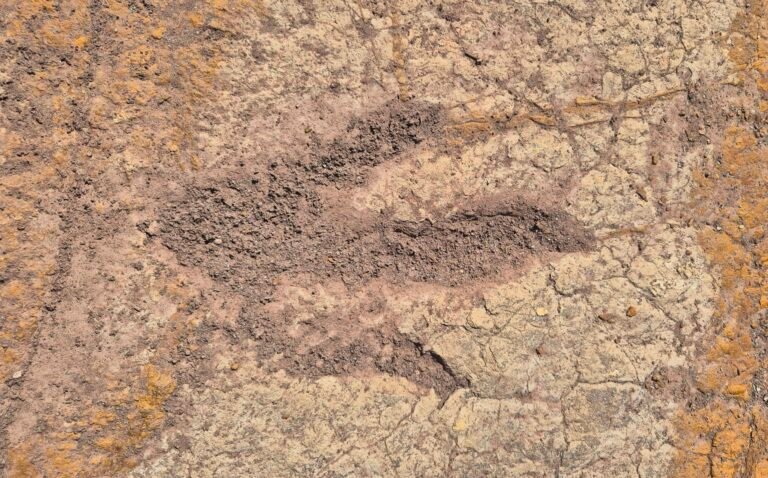 3Adventures in Torotoro National ParkThe road: we finally hit the road heading south. The scenery is superb, with colorful rocks showing every shade through the sedimentary layers.…
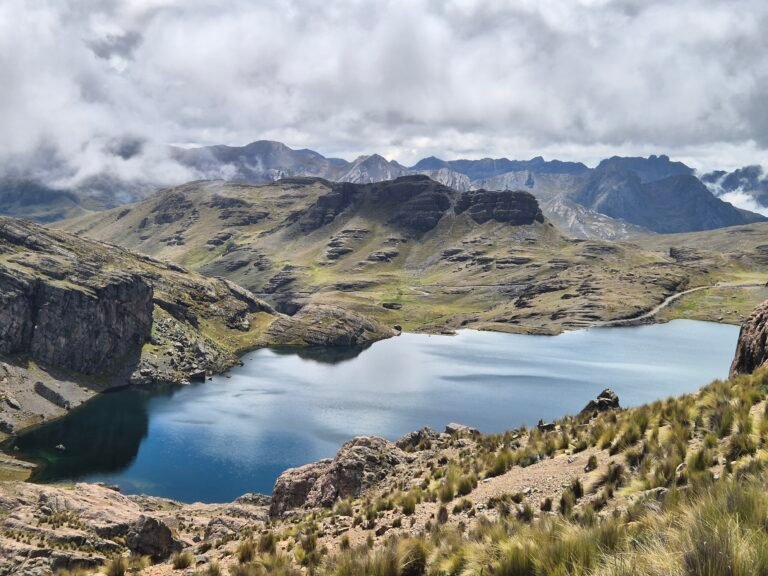 4Cochabamba and a Trip up Pico TunariAfter a nice break in Sucre, where we ate very well and (still) made a little trip into the surroundings, it’s time to head back up to Cochabamba, where we’ll meet…
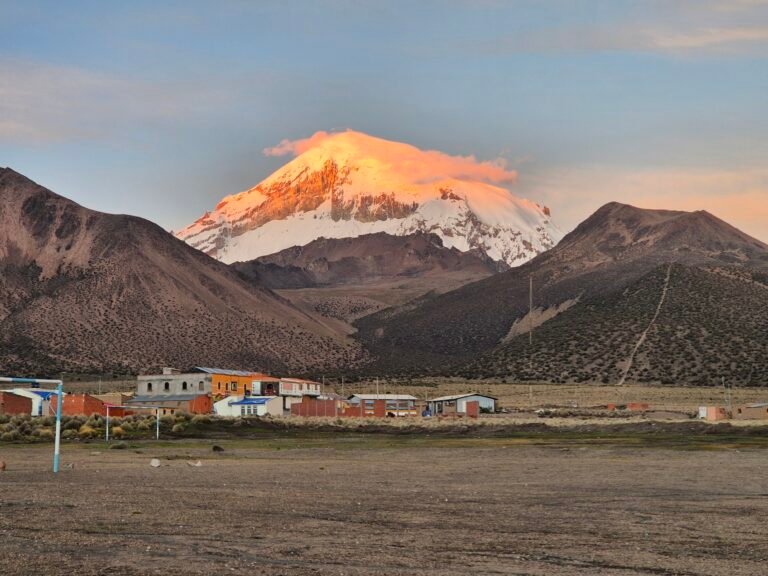 5Sajama National Park, Land of VolcanoesAfter Cochabamba, we head for Sajama National Park near the Chilean border. We meet up with friends to climb Nevado Sajama, the highest point…
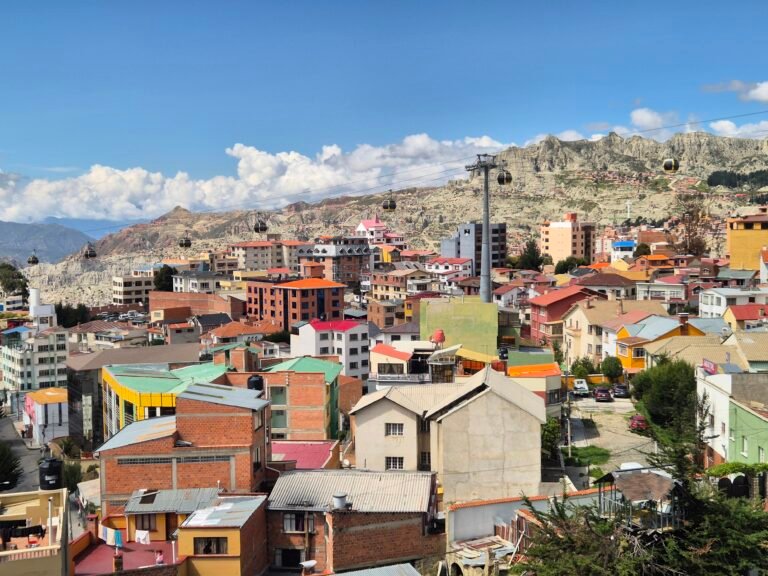 6La Paz, a Sprawling CityAfter a good week wandering the desert landscapes of Sajama National Park, we settle in La Paz for a few days to rest and think about…
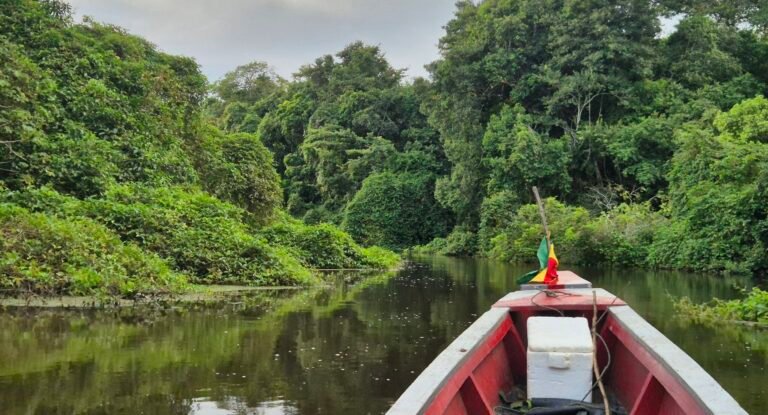 7Deep in the Bolivian JungleWe’re wrapping up a short week in La Paz. We rested, ate well and made plans for what’s next. We decide to head down to the Amazon to extend this…
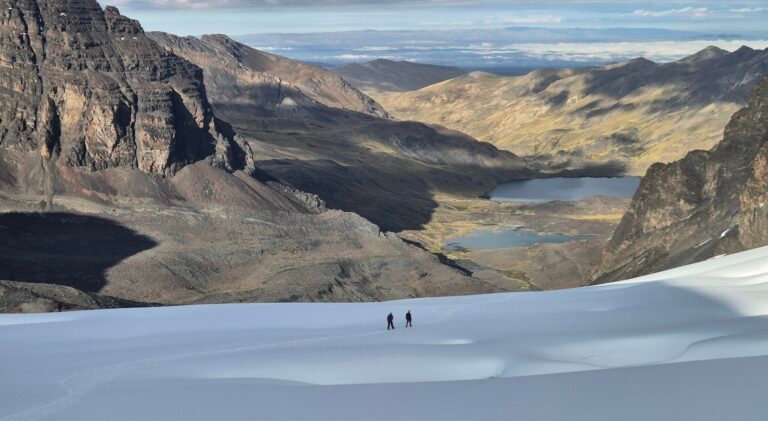 8Cordillera Real, Our Last Andean AmbitionsAfter a short trip to the Bolivian Amazon, we head back up to La Paz and on to the Cordillera Real. Not the smartest move to trade our acclimatization for a…
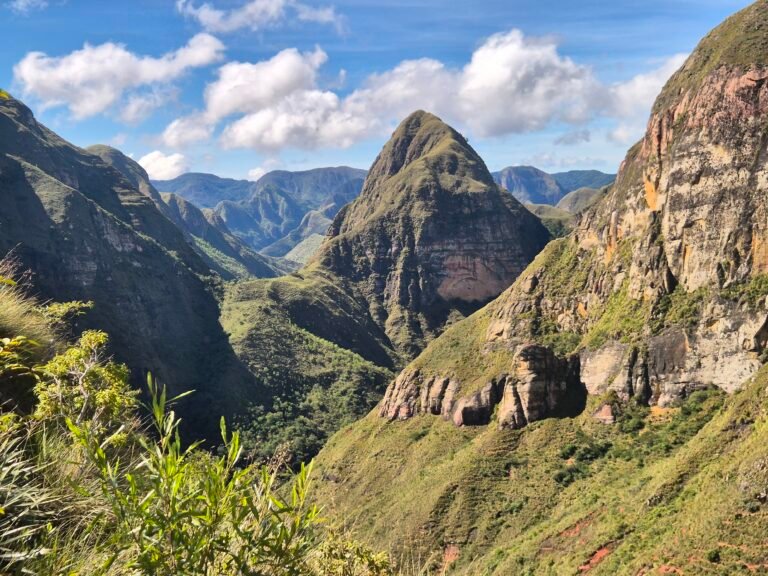 9Samaipata, the Mountain JungleWe leave our mountains behind, but it’s only goodbye for now; we’ll be back soon. After long weeks at high altitude, we can’t wait to find warmer…
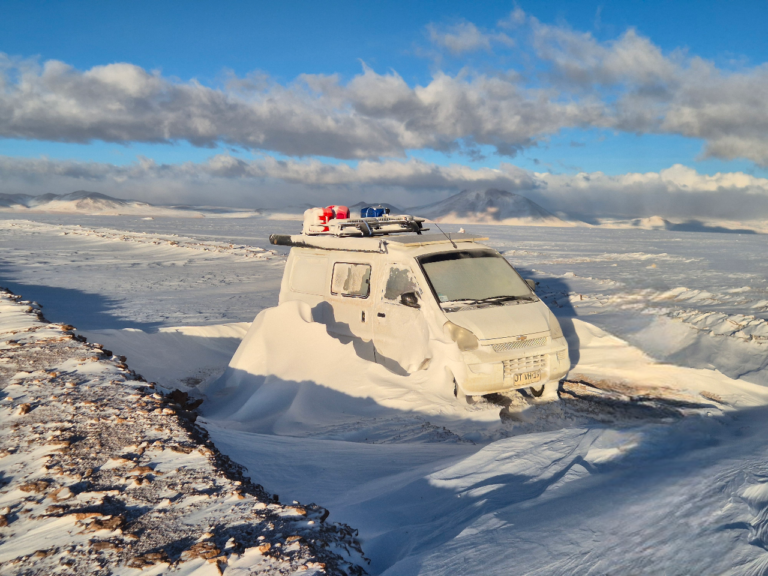 10Caught in the Storm in Sud LípezWe say goodbye to Chile, the first country of our journey, to pass briefly through Bolivia again before heading to Peru. Our plan is to cross the…
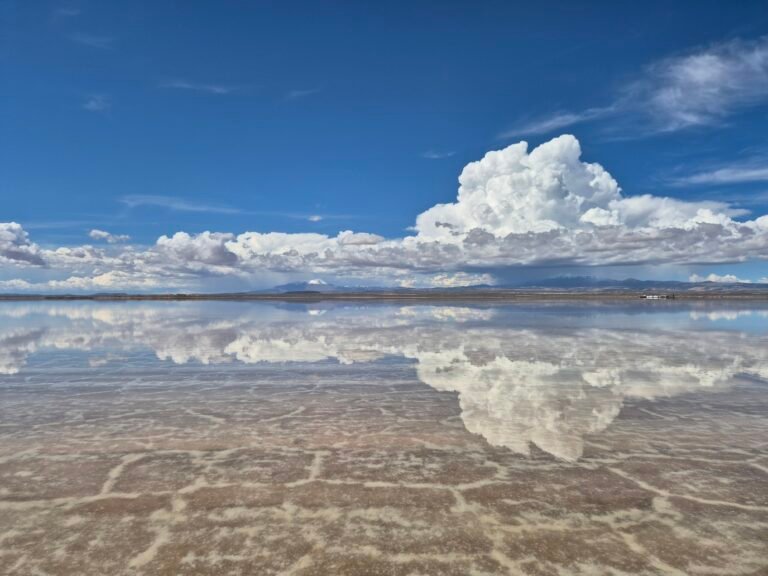 11Uyuni in Two SeasonsEvery year during the rainy season (usually March and April), the Uyuni salt flat is covered by a thin film of water. While access to the…
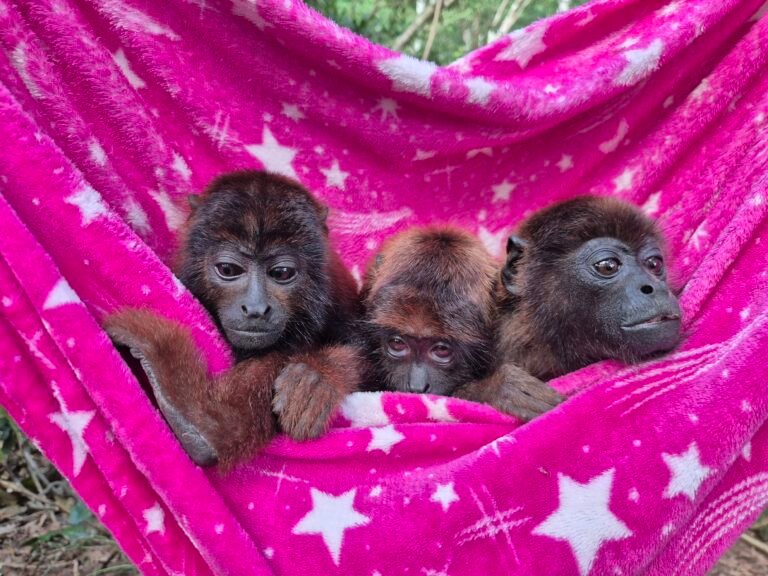 12Volunteering at La Cruz VerdeAfter our recent misadventures, we need to recharge for a while and think about what comes next. We’re also tired of the cold that has…
Our highlights
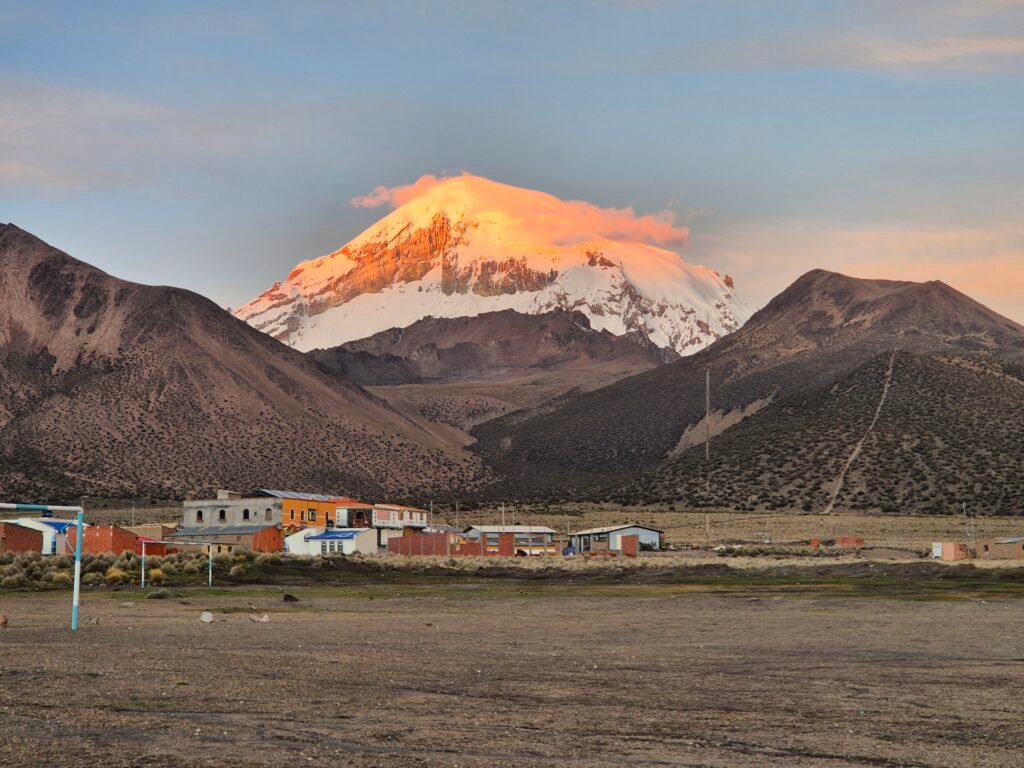
Sajama National Park
A gorgeous national park, off the tourist trail. Whether you want to relax in the natural hot springs or take on one of the highest volcanoes in Bolivia, the park has something for everyone, in a stunning setting.
Read the story →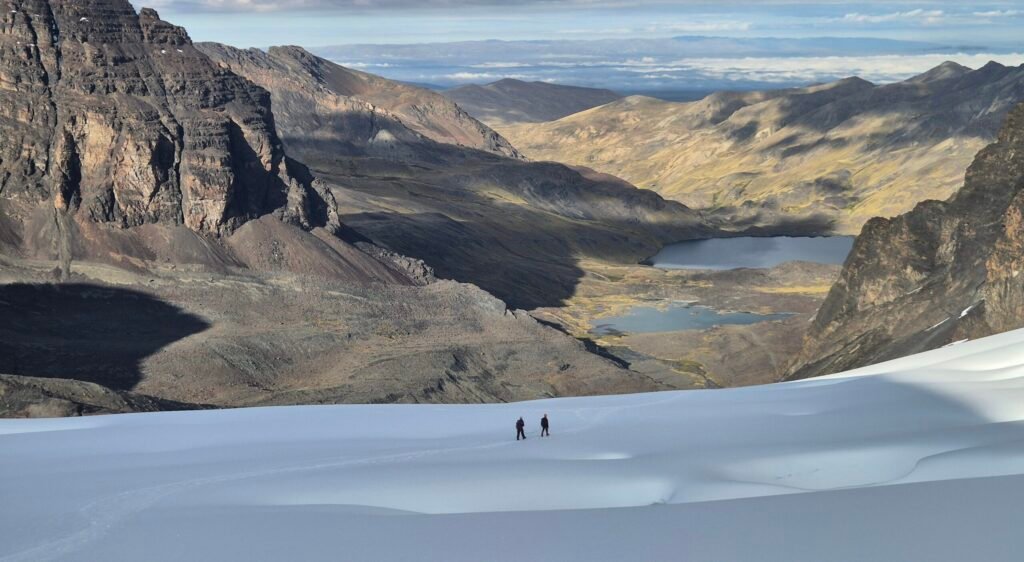
Cordillera Real
Above La Paz rises the majestic Cordillera Real. Hiking, trekking, climbing… For mountain lovers (and glacier fans!), it’s an incredible playground.
Read the story →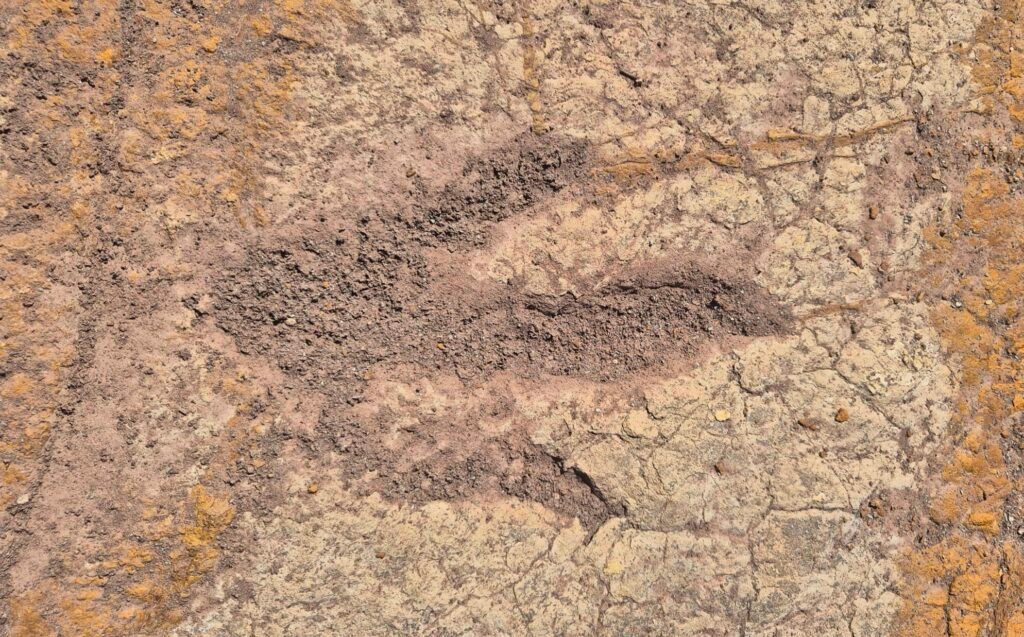
Torotoro National Park
Far from the best-known or most visited park in the country, Torotoro still combines geological wonders with activities that kids and grown-ups alike will love. Let’s follow in the footsteps of the dinosaurs!
Read the story →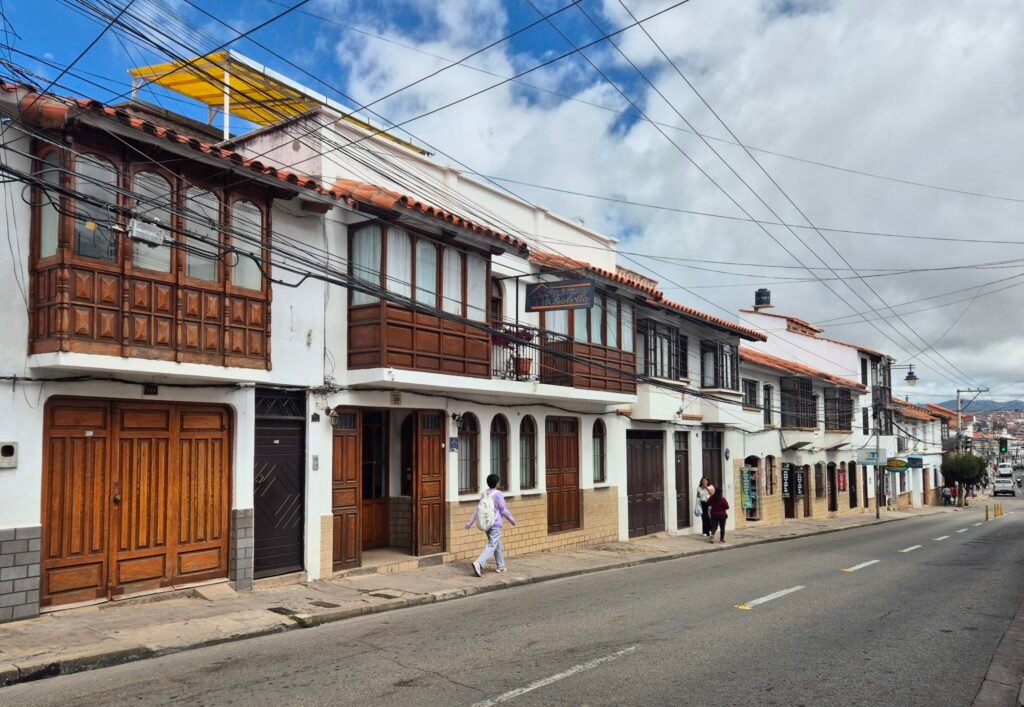
Sucre
Bolivia’s capital, besides being the most beautiful city in the country, offers a relaxing setting, a whole bunch of fine-dining restaurants and a few interesting day trips nearby.
Read the story →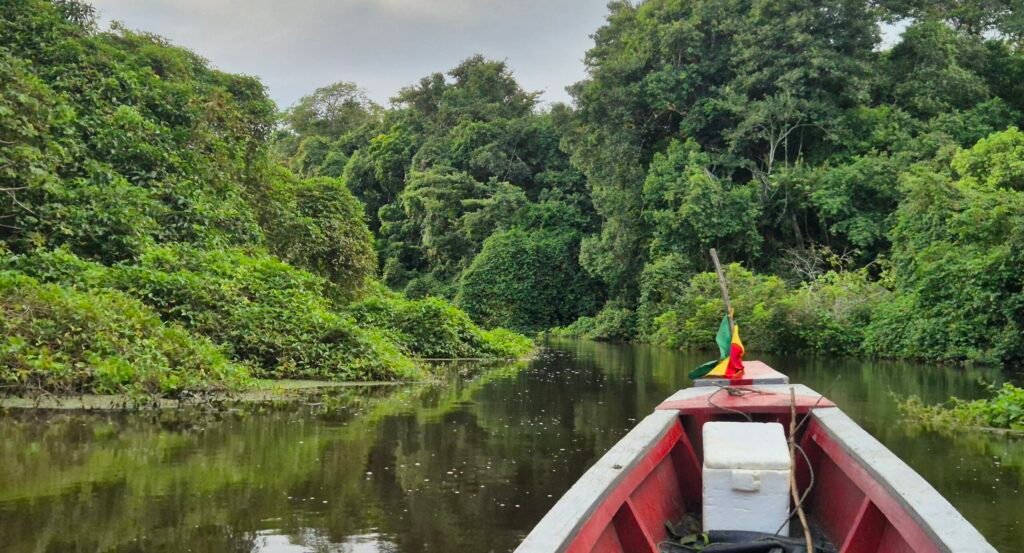
The Amazon
The Amazon! A must on any trip to South America. We had already stayed there in Ecuador a few years ago; this time we chose Bolivia. We’ll go back to volunteer at a monkey sanctuary.
Read the story →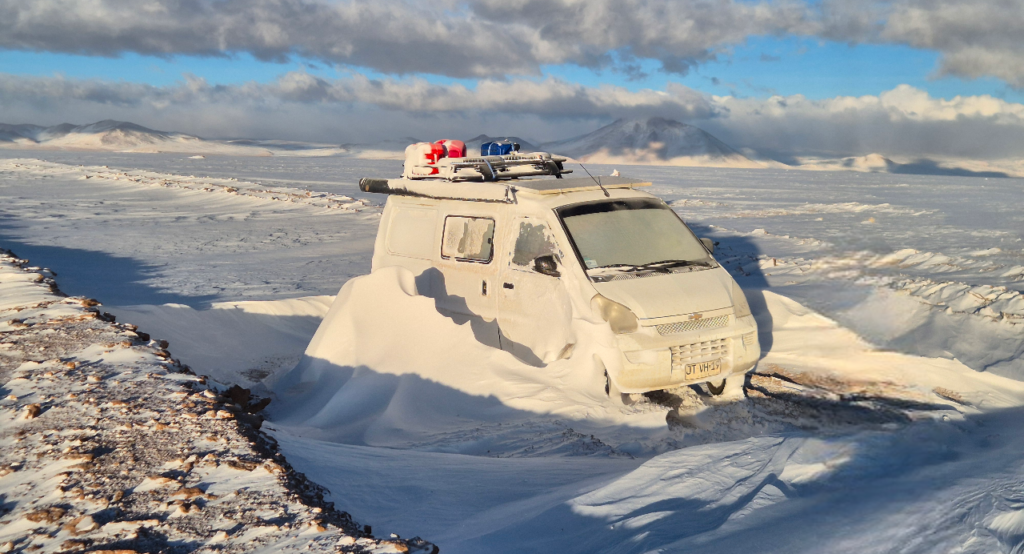
Sud Lípez
For us, Sud Lípez was our last van adventure, the beginning and the end of a journey. Colorful lagoons, lunar landscapes and domes that touch the sky: all it took was a little twist of fate for an epic adventure, maybe one too many.
Read the story →Practical info

- Capital
- Sucre
- Language
- Spanish
- Currency
- Boliviano (BOB or Bs)
- Stay
- 90 days, non-renewable (for French citizens)
- Time zone
- UTC−4 (same as US Eastern Daylight Time)
- Country code
- +591
- Area
- 424,164 sq mi
Altitude
La Paz is the highest major city in the world (above 12,100 ft). If you fly straight in, the first few days may hit you hard: fatigue, headaches… Ideally, come down from Peru and the Altiplano, or go up gradually.
Be careful not to squeeze a stay in the Amazon between two high-mountain climbs. Acclimatization can take several weeks, while a few days are enough to lose it all. We met people in pretty bad shape on the trails: some had just flown in, others were back from 2 weeks in the selva (jungle).
We recommend starting with the low-altitude regions and going up gradually (e.g., Amazon, then Sucre, then Titicaca, then Sajama). If you plan to climb (like Huayna Potosí) or do a Sud Lípez tour, it’s best to schedule it at the end of your stay. Everyone reacts differently to altitude, but it’s better to stack the odds in your favor.
Mountaineering
With its high average altitude and the low technical difficulty of many peaks (some with no glacier or snow at all), Bolivia is a fantastic playground and a chance for many people to climb their first (and last!) 6,000-meter peak, like Huayna Potosí, Acotango or Uturuncu.
It’s the country with the best agency prices, much cheaper than Peru.
In practice, a guide isn’t mandatory anywhere, but national park rangers (and especially local communities) may object, to keep their monopoly or depending on your experience: Sajama National Park, Licancabur, Uturuncu.
Money
In Bolivia, more than anywhere else, cash is king. Don’t count on using your credit card. It’s always better to have some cash on hand, just in case.
Like its Argentine neighbor, the boliviano is a volatile currency. To get their hands on a more stable currency, exchange offices are ready to offer amazing rates!
While banks charge low fees, the Visa rate when we were there was around 1 euro = 7.8 BOB. Meanwhile, exchange offices in La Paz offered a rate of 13.5 for euros! Much better than the rate offered for dollars. Chilean pesos are also a good option if you didn’t bring euros.
If you have nothing to exchange, there’s another solution: Xoom, a PayPal service (or Remitly, which we didn’t use).
The transaction type is called “More” and is available at some banks, like Banco Económico, Banco FIE or Banco PYME…
Roughly speaking, it’s a virtual currency exchange which, like Western Union, uses a parallel rate, much more realistic and better for us. When we were there, the rate was around 12.5! So on a withdrawal of 100 euros, you gain the equivalent of 40 euros! It even climbed to 18 on our second visit, twice the official rate.
In practice, it’s a bit more complicated than expected. First, you have to find a bank willing to do the transaction. We often ran into branches that refused the service to foreigners. Only some branches in the big cities seem to accept it. Then you need a photocopy of your passport, sometimes with the entry stamp, an address in the city where you withdraw (any address will do, find one on Maps), and they can be very strict about the order of the information, the quality of your signature… Who would have thought, in a country where everything seems so chaotic.
The fee for each transaction is about 3 euros. That’s low enough to repeat the operation as needed, as long as you’re sure to pass through a big city (and definitely not on a Sunday!).
Good to know: driving
If there’s one thing to consider before traveling in Bolivia with a vehicle, it’s fuel!
Where to start…
Fuel is subsidized by the government and costs only about 14 BOB a gallon. Of course, foreign vehicles don’t get this subsidy and have to pay an international price of about 33 BOB a gallon, nearly 3 times the local price.
Only some gas stations (usually YPFB) are allowed to fill up a foreign vehicle.
There are regular gas shortages in the country, and it’s even worse for diesel (we saw travelers throw in the towel!). Around the big cities, filling a jerrycan is sometimes forbidden.
The army monitors fuel transport and use. There are often one or more officers making sure these rules are followed.
Put all these delights together, and here’s the plan:
Find a gas station willing to serve a foreign vehicle.
Cross your fingers that they have gas and that the line is reasonable.
Negotiate the price: offer something in between, for example 23 BOB a gallon.
Suggest sin factura (without a receipt): they sell it above the local price, but as if they had sold it to a Bolivian, and pocket the difference.
Offer a tip.
Offer to fill a jerrycan instead.
Offer to come back later, or even behind the building.
Wait a long time in line (under 4 hours is a good spot) or try another station!
When we were there, the situation varied a lot by region: no problem toward Santa Cruz, long lines around Uyuni and Sucre… and waits of several days in Potosí! Sometimes locals sell fuel, at home or across from the stations. They obviously sell it for more than they paid, but in the end the price can match the “gringo” rate at the stations (about 33 BOB a gallon). Just make sure it’s not watered down!
Bolivia produces its own gasoline, which comes from the Amazon. However, it’s of pretty poor quality, rated at just 85 octane. Between that, the altitude and the dust, the van will catch a few colds.
In general, national highways are good (lots of tolls), but secondary dirt roads can be in terrible shape. There are frequent police checkpoints, which only check the TIP (the vehicle’s temporary import permit) and let us through, telling us to drive safely.
Bolivian drivers pass anywhere, anytime, any way they can: a bus may pass on the right on a blind curve… Unfortunately, we paid the price.
The horn is used for everything, everywhere: to say hi, to insult, to warn, to call out…
Finally, there’s no mandatory car insurance in Bolivia.
Water
Bolivia is probably the worst country in the Andes when it comes to hygiene and drinking water. This is especially true on the Altiplano and in the Amazon, where you’ll often meet sick travelers.
Ideally, you should always filter tap water, use a chlorine tablet, or boil water for at least 10 minutes (careful: at altitude, water boils below 212°F!). You should also peel fruit, cook vegetables well, avoid fruit juice from street stalls…
In reality, you can’t follow these rules on such a long trip. As for us, we’d rather enjoy the markets and street food and accept a few bouts of traveler’s diarrhea along the way!
We didn’t even filter the water in some places like Uyuni (the market), Sajama or Torotoro, where the water is sometimes said to be drinkable.
Phone plan
Entel: you get signal fairly often, but the quality is very hit-or-miss.
About 50 Bs for 6 GB (20 days). You top up the number at a tienda (corner shop) and pick the plan directly by text message.
Coca
Coca leaves have been part of Andean culture (Bolivia, northern Argentina, Peru) for more than 5,000 years, mostly on the Altiplano. They are used for spiritual and medicinal purposes, and often as an offering to the goddess Pachamama (Mother Earth).
While the leaves are banned in Western countries (watch out at customs!), they must not be confused with cocaine. Cocaine is indeed extracted (as an alkaloid) from the leaves, but they contain only tiny, harmless amounts.
Today, coca leaves are still widely used by locals to fight hunger and fatigue (and mostly out of habit). They’re also said to help with altitude sickness.
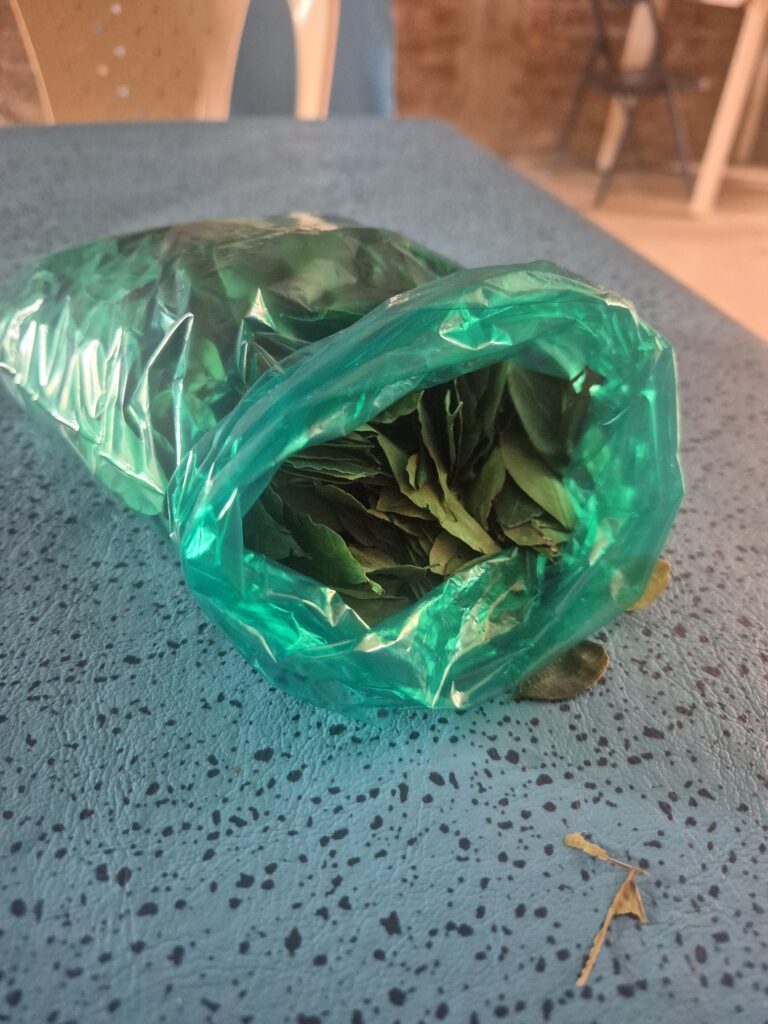
You’ll find them at the market, always sold in small green plastic bags with a little gray paste that cuts the bitterness and is said to boost the effects. In fact, there are lots of coca-based products (candy, teas, oils…) and even flavored leaves (fruit…).
Chewing coca is of course legal in Bolivia and Peru (sometimes tolerated in other countries), and we strongly recommend trying it, whether for the possible benefits or out of curiosity. Our favorite is still the tea, though; chewing it isn’t great.
Locals add the leaves to their mouths little by little, chewing them into a ball they tuck into their cheek. You’ll notice quickly by watching locals, who always have a few leaves between their teeth and green lips!
There’s a small coca museum in La Paz.
Seasons
Watch out for the rainy season (December to April) in the Andes: fog, floods, landslides, impassable dirt roads, accidents… On the other hand, that’s when the Uyuni salt flat is flooded, creating an endless mirror.
The dry season is a better bet, even though temperatures can drop sharply at night on the Altiplano; we hit -18°F in Sud Lípez during our crossing in June.
Reserves and national parks
All national parks charge an entrance fee, and prices are much higher for foreigners. Unfortunately, the money is rarely spent on the parks, judging by how little infrastructure there is.
Food to try
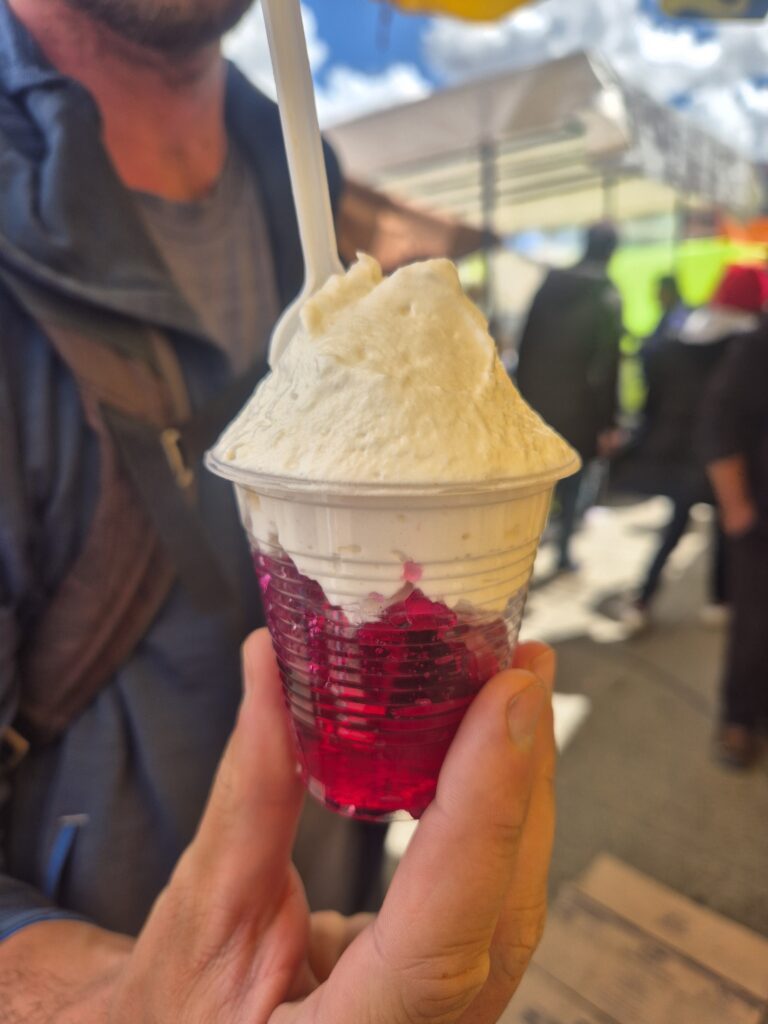
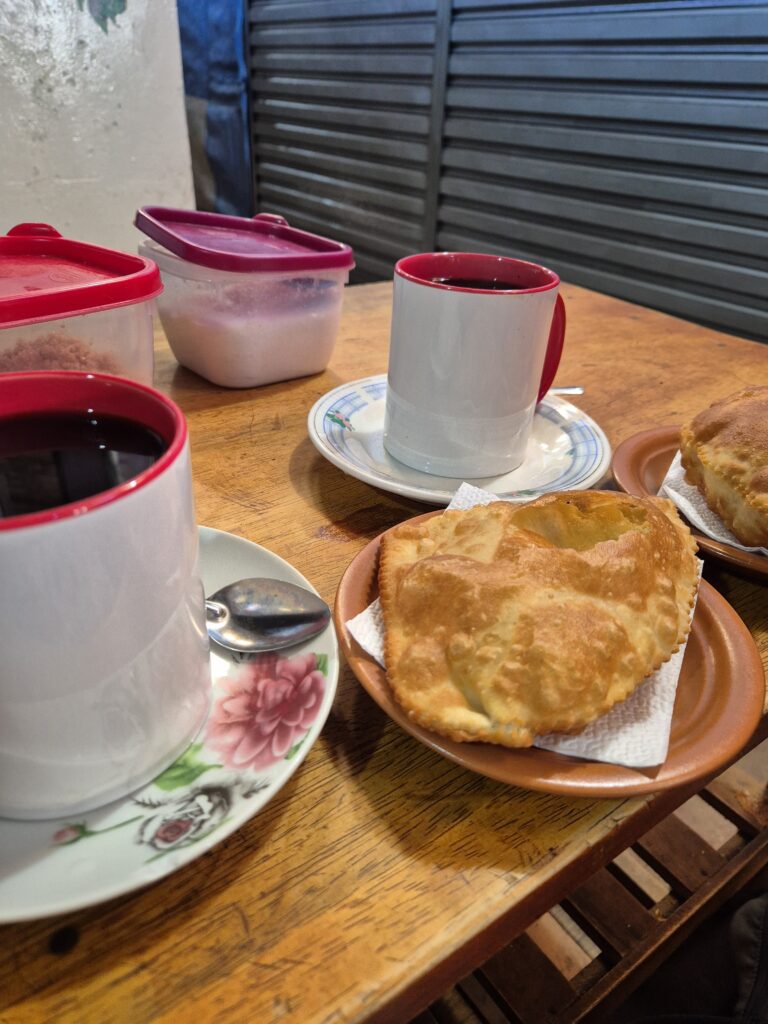
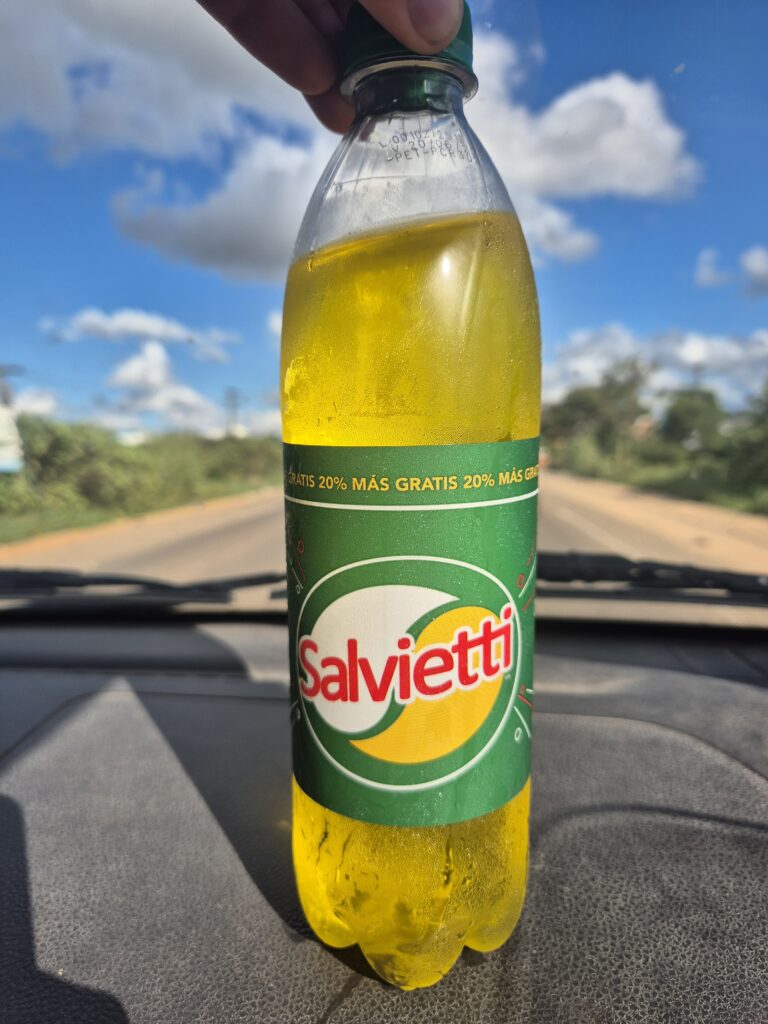
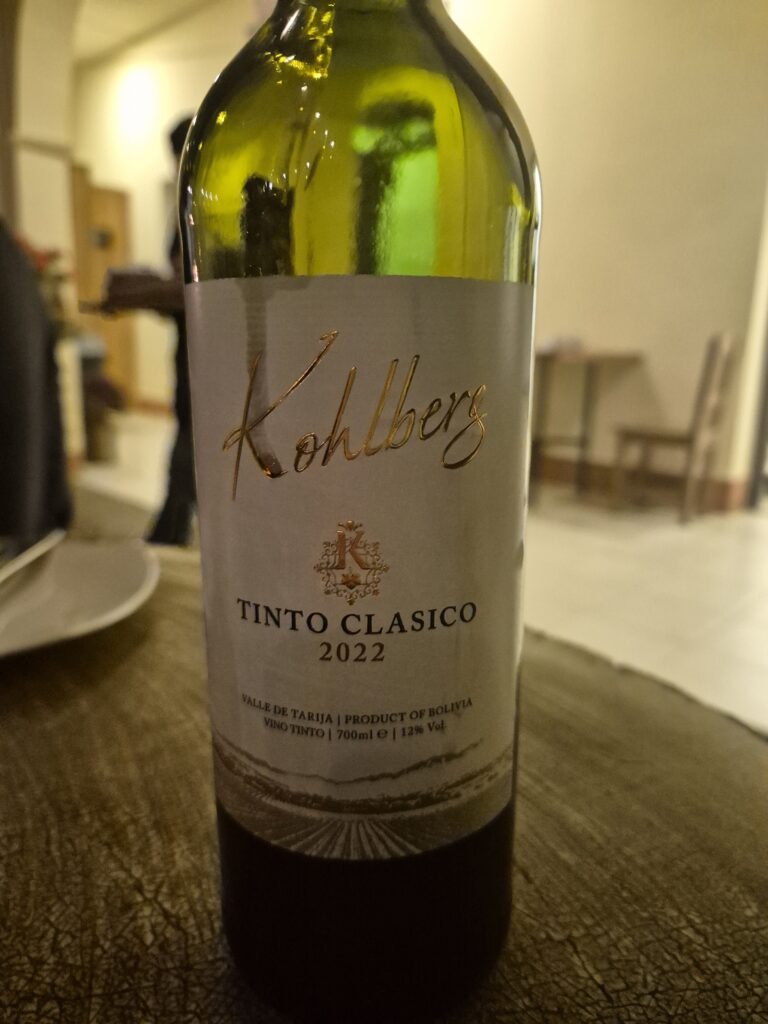
Bolivian food in a nutshell
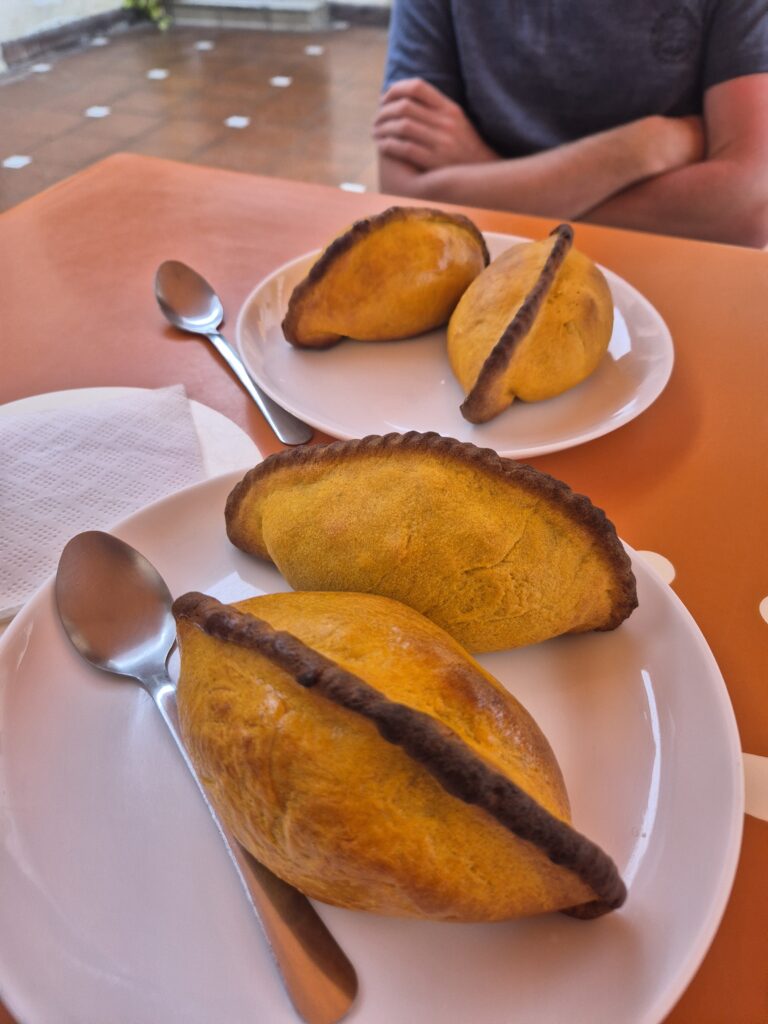
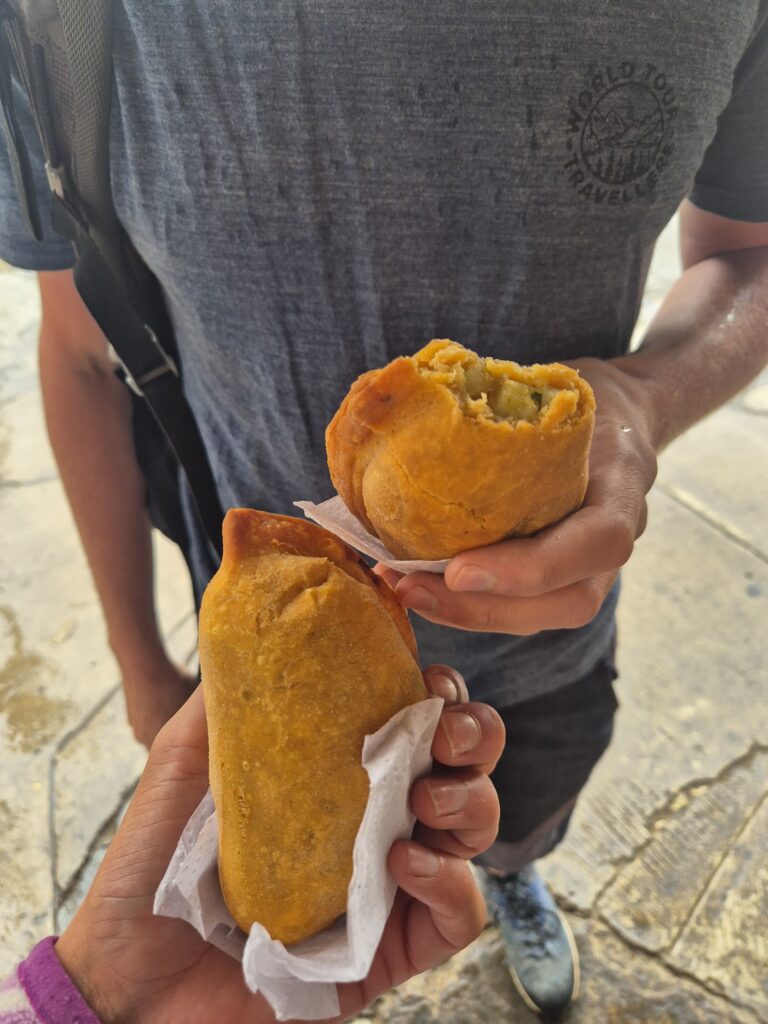
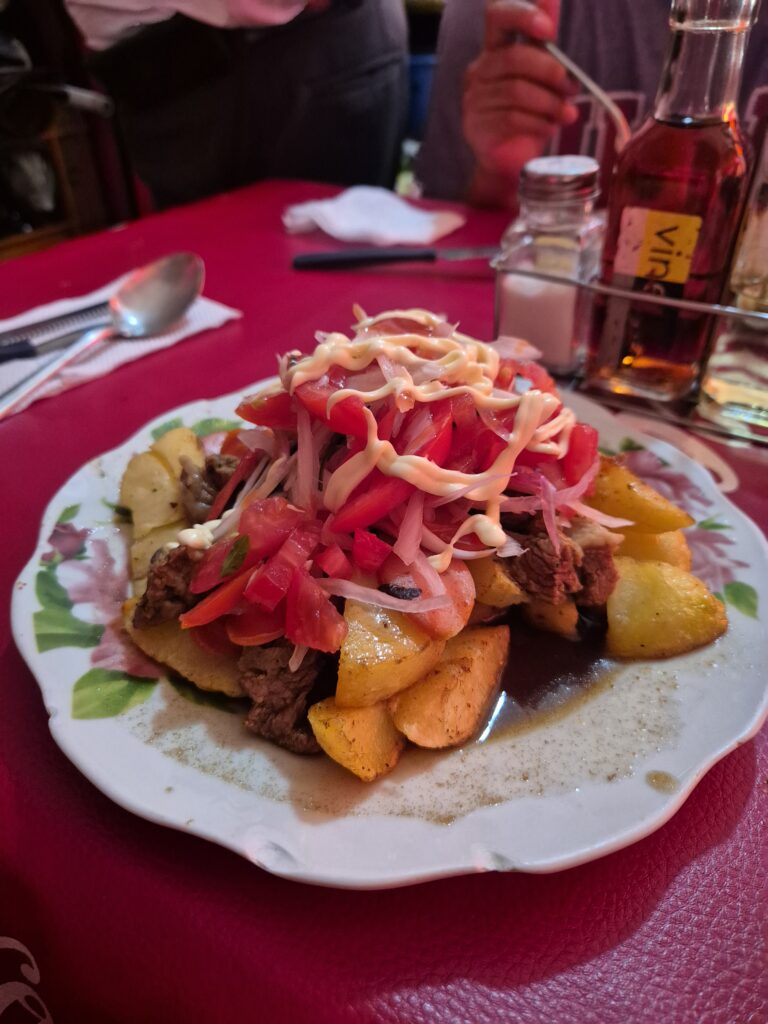
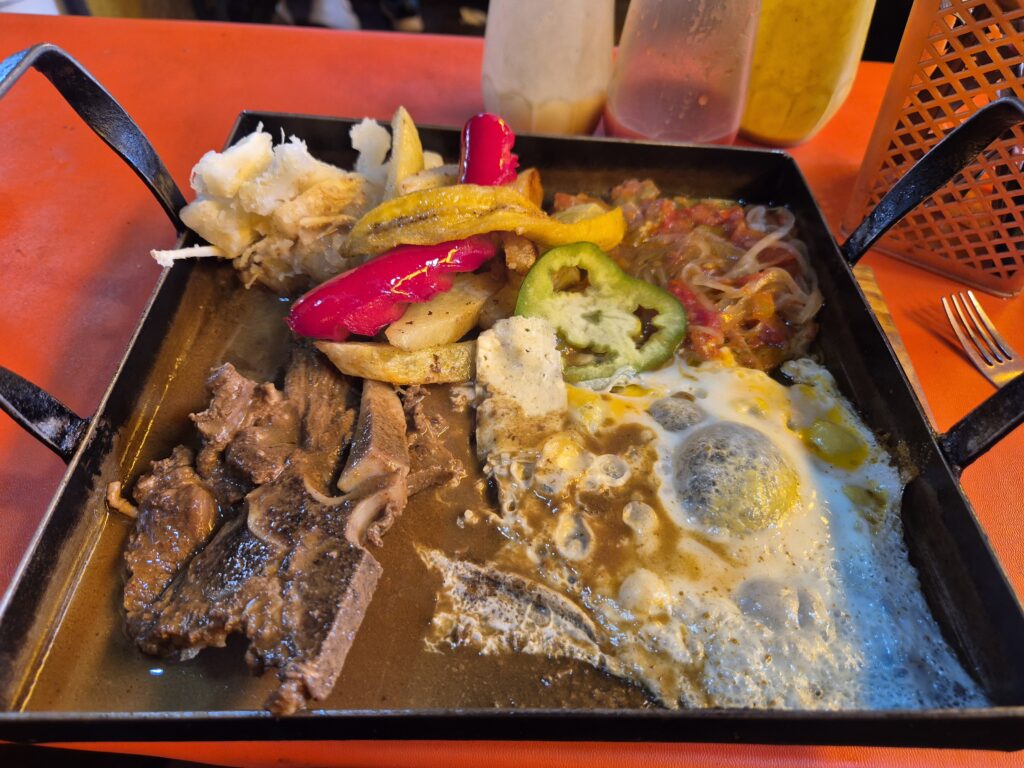
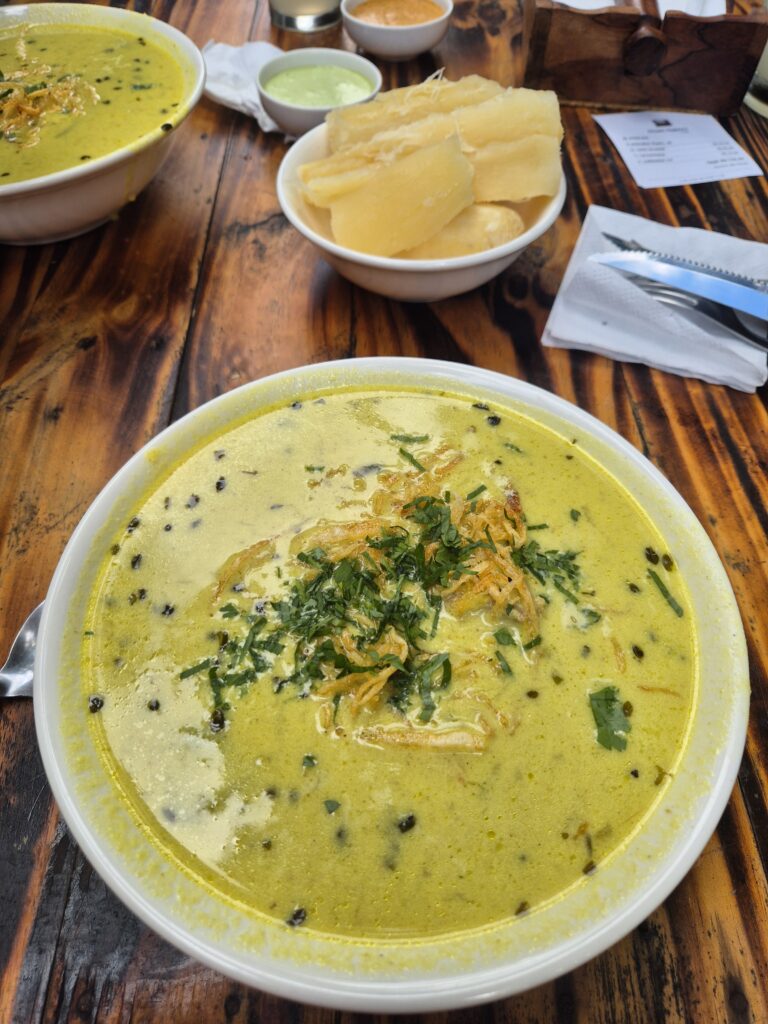
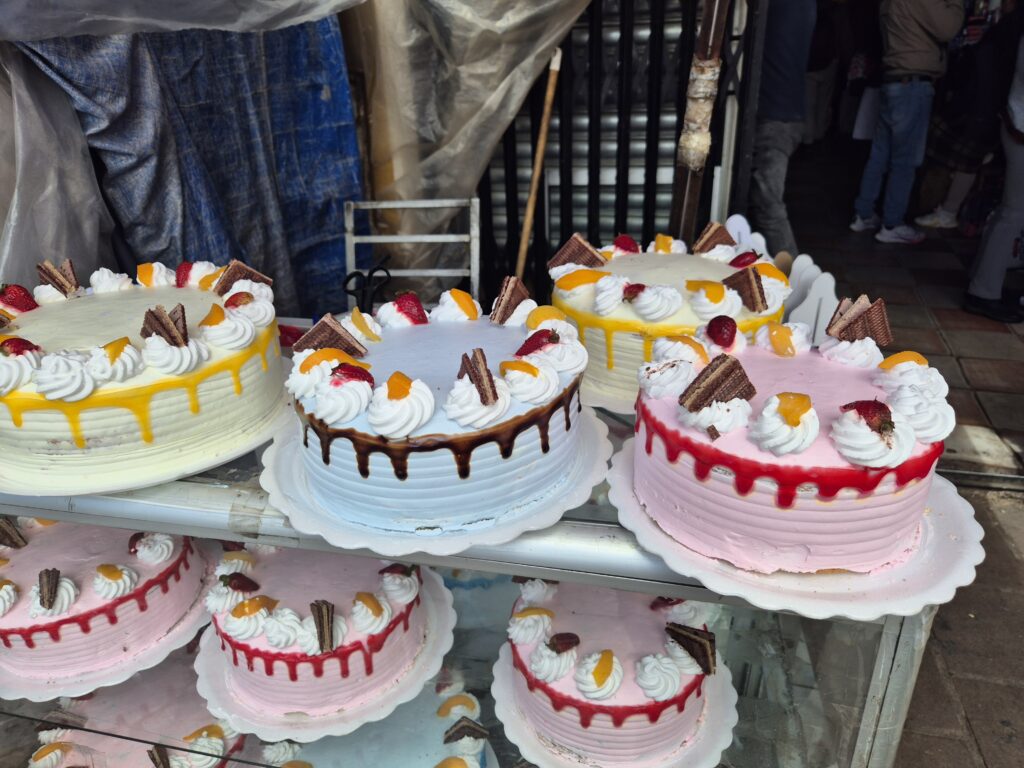
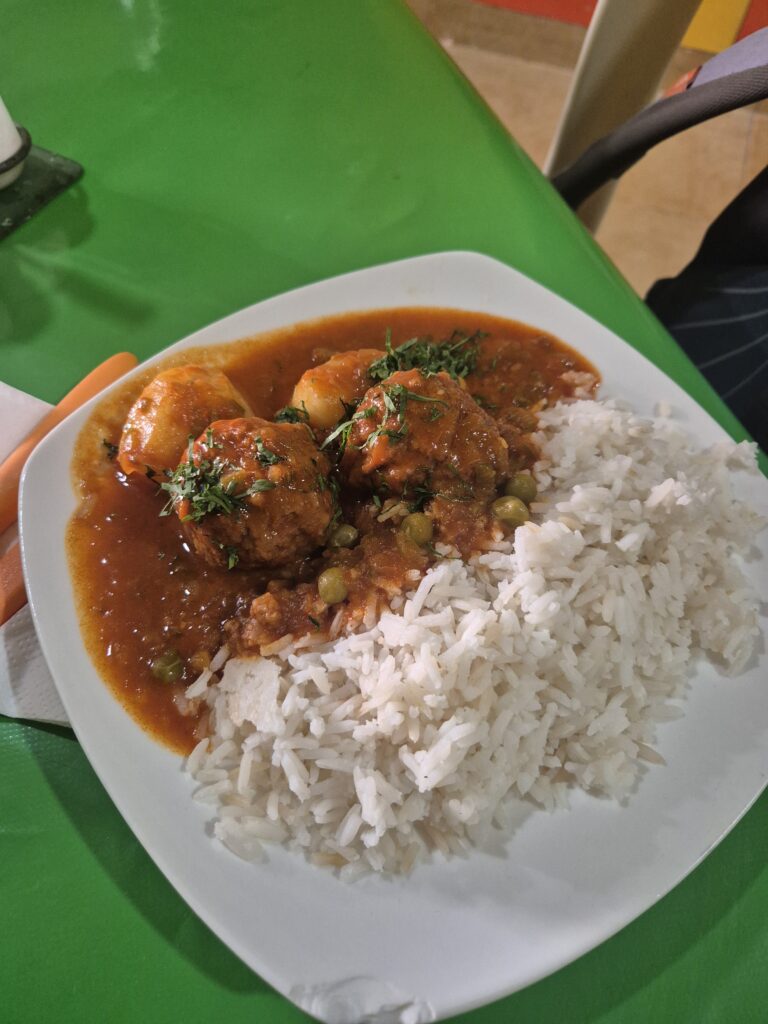
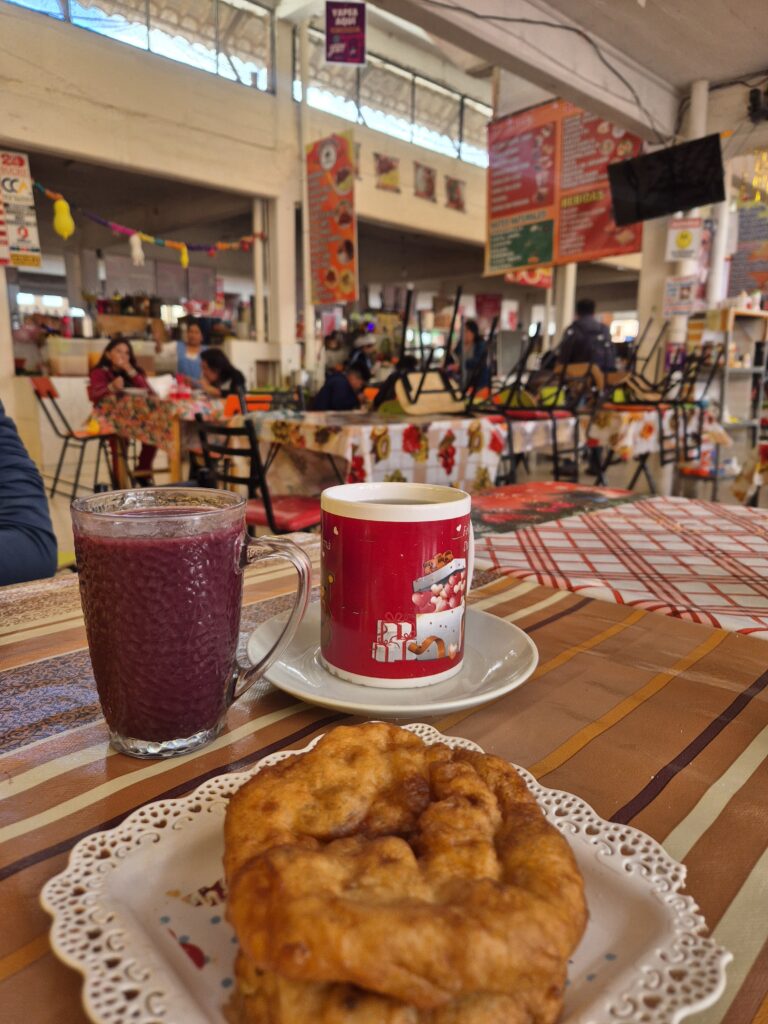
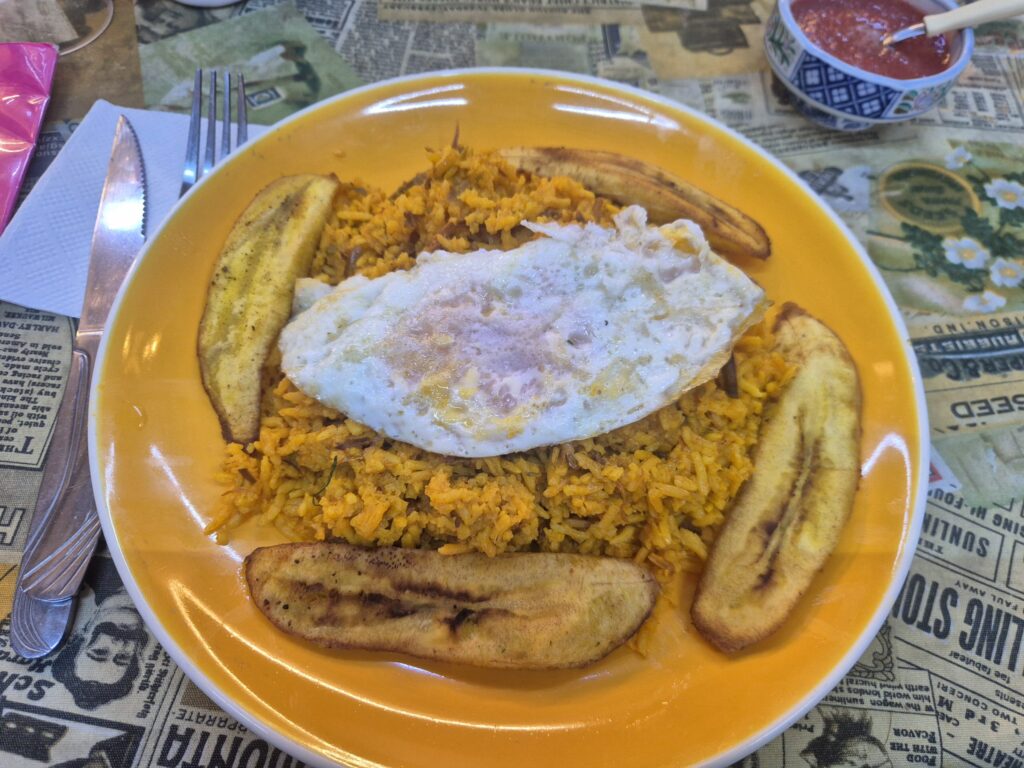
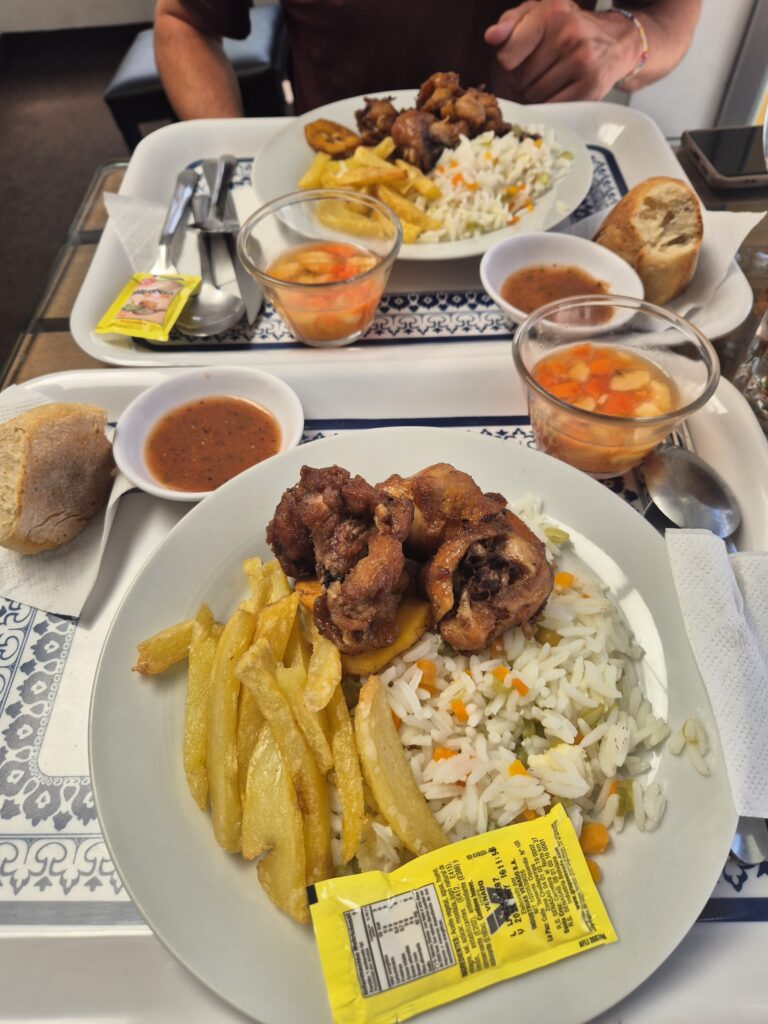
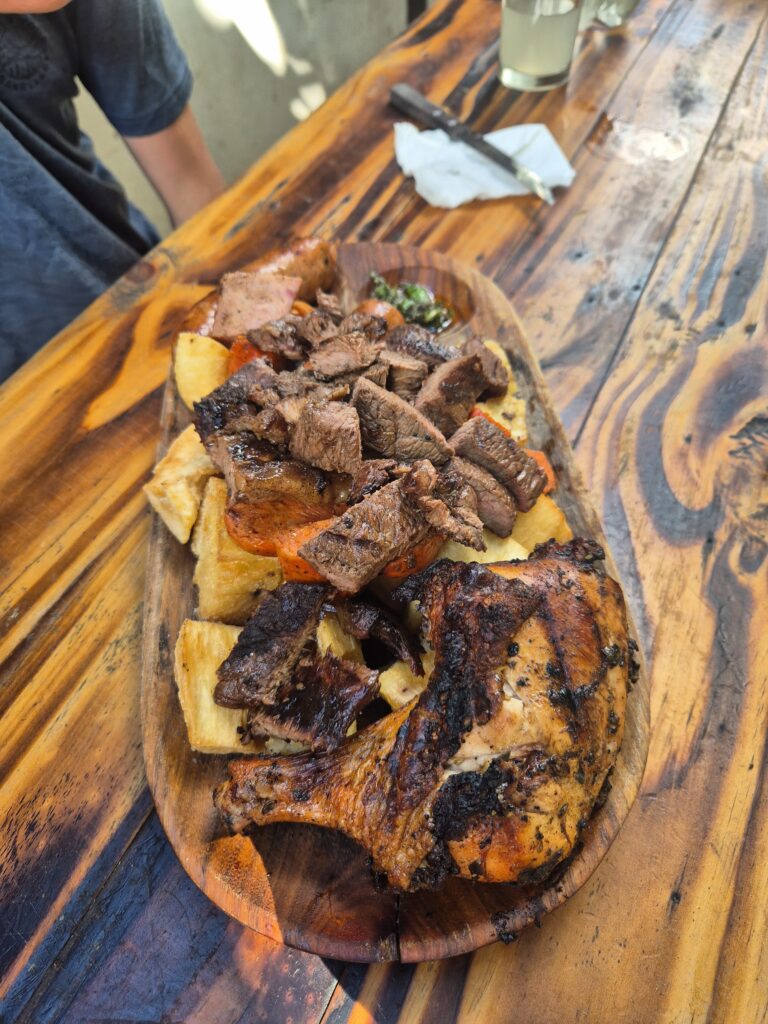
Not much to write home about when it comes to Bolivian food. The classic almuerzo (lunch) comes with a soup (it varies), a main course and a drink, often an herbal tea. It’s the cheapest option; you can sometimes eat for less than a dollar! You’ll mostly find dishes based on rice or potatoes, and very well-done meat, often llama.
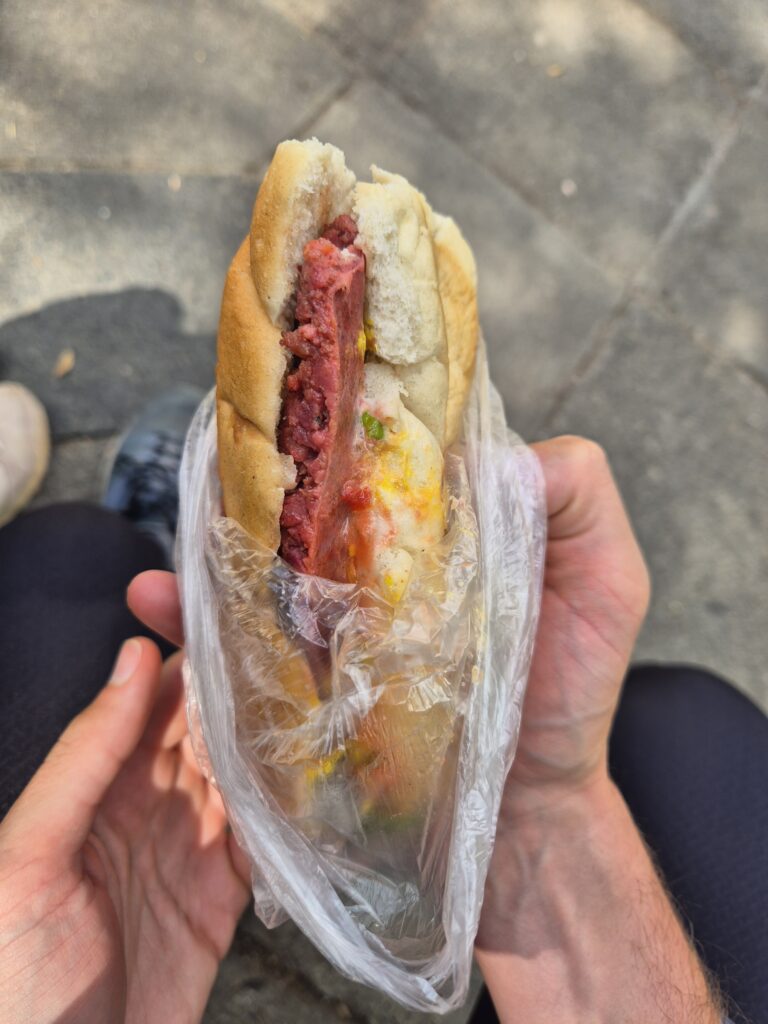
In the end, our favorite is street food, with the amazing salteñas, baked turnovers filled with vegetables or meat in broth (watch out for stains!), tucumanas (also turnovers, but fried), choripanes (chorizo or spicy sausage sandwiches)…
With the very low cost of living, though, you can treat yourself at restaurants, including plenty of “gastro” restaurants and international food (pizza…).
Budget
Spending by category
- Activities$1,12131%$5.84 per person per day
- Lodging$90125%$4.69 per person per day
- Transportation$59916%$3.12 per person per day
- Restaurants$48513%$2.52 per person per day
- Groceries$2256%$1.17 per person per day
- Coffee, drinks$842%$0.44 per person per day
- Other$2326%laundry $33 exchange fees $33 gifts $164 other $2
Cost of living and spending
Bolivia is the cheapest country in South America. You can eat for less than a dollar and find a room for two for around $10.
We visited Bolivia twice, first by van and then as backpackers. So the budget is a mix of both, naturally lower by van and higher once backpacking (hotels…).
Given the affordable lodging, we rented an Airbnb several times (Sucre, La Paz, Cochabamba) while we had the van, then stayed in hotels and hostels on our second visit.
Paradoxically, it’s also one of the countries where we spent the most, considering the purchasing power! The reasons are pretty logical. After tightening our belts in Chile and especially in Argentina, we treated ourselves in Bolivia. Restaurants, activities… with its rock-bottom prices, Bolivia is a land of opportunity! We took the chance to try all kinds of activities: technical climbing, caving, a jungle trip, horseback riding… things we would never even have imagined. It’s a bit like the sales: you buy everything, even what you don’t need!
In backpackers’ budgets, tours (Uyuni, Sud Lípez, Cordillera Real…) are often a major expense, which we were able to avoid with the van.
Finally, we took the chance to buy a few souvenirs (alpaca sweaters…); La Paz is probably the best place on the continent to buy gifts, with its variety and low prices.
Wrap-up
Bolivia was a turning point in our trip, since that’s where we “lost” our vehicle. So we had a first, major part by van, then a second one, first with the van in Sud Lípez and on the salt flat, then without it (hostels and buses) for a volunteering stint in the Amazon and while we sold what was left of the vehicle.
While it’s a country that works well for backpackers, we loved the freedom of the van, which meant we didn’t depend on agencies and could venture into regions like Sud Lípez, the Uyuni salt flat or the Cordillera Real. That said, we didn’t hike all that much in Bolivia. On the other hand, frequent crises (fuel, roadblocks…) make van travel more of a gamble.
We found Bolivians very welcoming, especially in the countryside. We’ll always remember the Sud Lípez rangers, who went out of their way, with the means they had, to help us.
92 nights
Tops
- Quality of the national highways
- Historic centers (plazas, churches, convents…)
- Markets
- Cost of living and the parallel market
- Welcoming locals
- Cheap activities
- Varied landscapes: Altiplano, Amazon…
- Street food
Flops
- Driving
- Fuel (see the Practical info section)
- You pay for everything, every service costs money
- Guides or tours often mandatory
- Quality of dirt roads and streets
- Questionable hygiene, undrinkable water
- Trash
- Stray dogs
- Speed bumps everywhere (villages, towns)
- Gringo prices for everything (sights, parks, fuel)
- Harsh weather
- Honking and noise
- Where does the national park money go? (corruption…)
What we missed
- Lake Titicaca: not enough time, with our Sud Lípez misadventure followed right away by our accident. We would have liked to follow the north shore of the lake from Copacabana and probably visit Isla del Sol
- Tarija region: vineyards and a trek in the Cordillera de Sama
- Climbing Licancabur and Tunupa volcanoes