
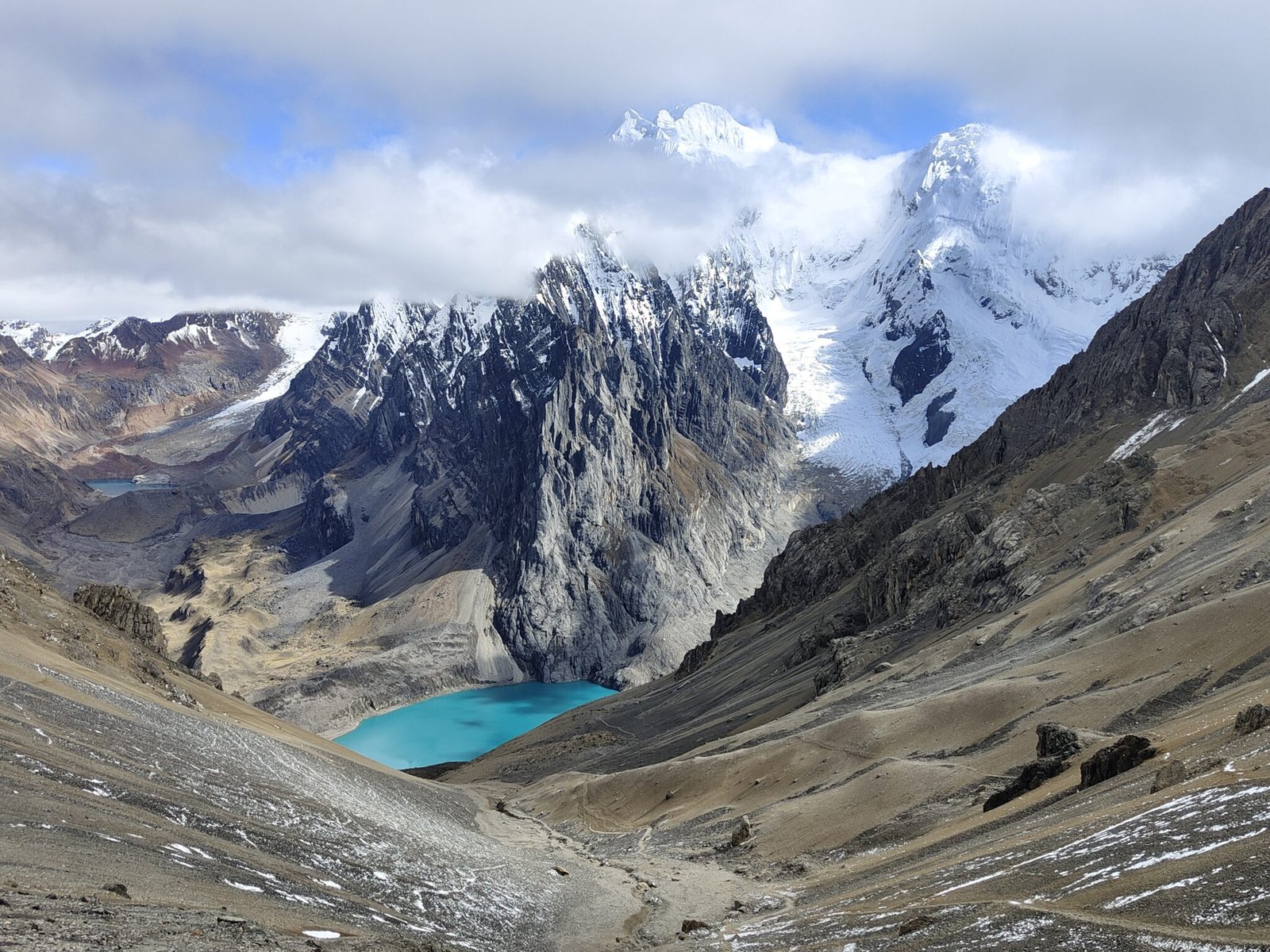
Peru
Late July to late October 2025, from Lake Titicaca to the beaches of Máncora. Our first country without the van.
- 86days in the country
- 196 hon buses
- 816 mileson foot
- $3,556spent for two
The route
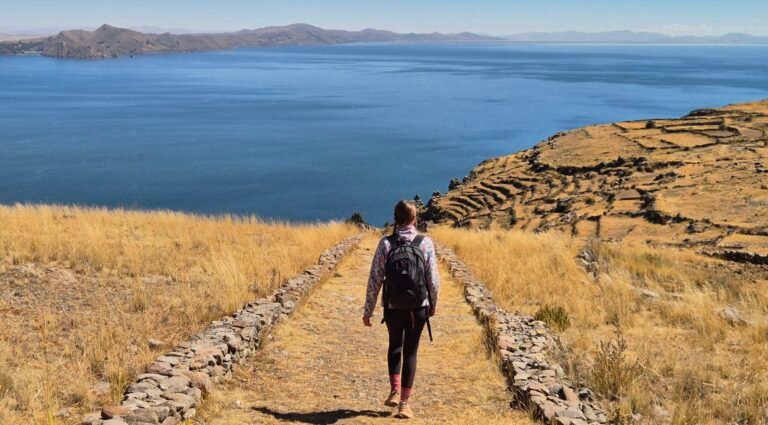 1On the Islands of Lake TiticacaAfter 10 months on the road, we’re turning the page. No more back-and-forth between Chile, Argentina and Bolivia. We’re discovering Peru, our destination for the next 3…
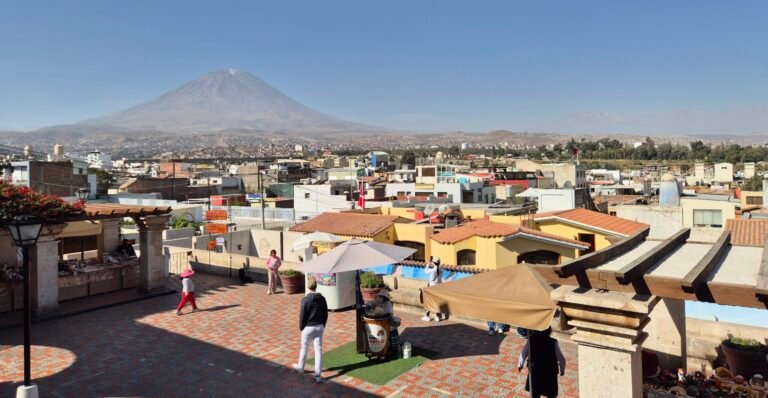 2Arequipa, Between Volcanoes and CanyonsOur second stop in Peru: we finally leave the Altiplano and head southwest to Arequipa. The city, a beautiful one, offers a whole range of activities and…
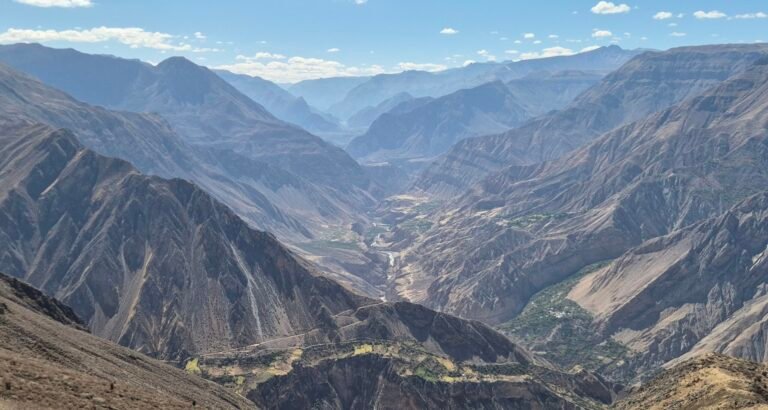 3Colca Canyon and Cotahuasi CanyonAfter a few days wandering around Arequipa, we decide to follow up with short treks in two of the deepest canyons in the Americas: Colca, in a…
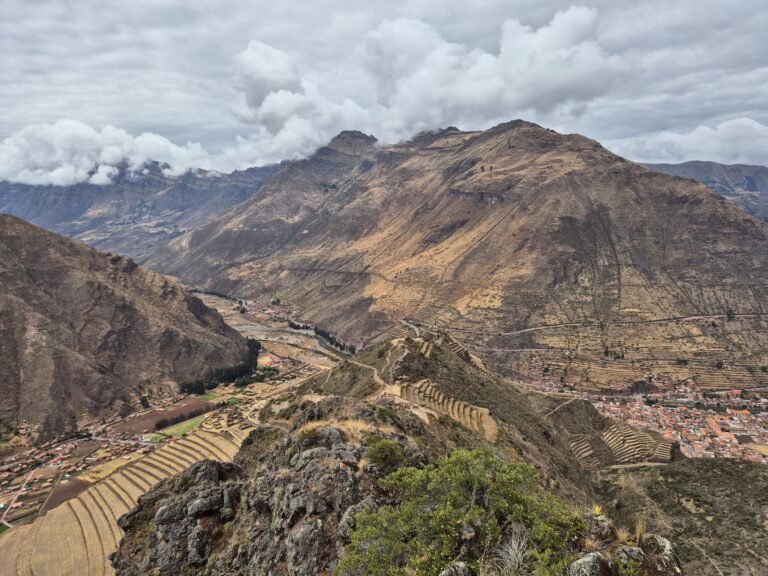 4Cusco and the Sacred ValleyWe arrive in the Cusco region, where we plan to stay a good month. Even though we’re a little wary of the overtourism in the area, it’s not to be missed. In fact,…
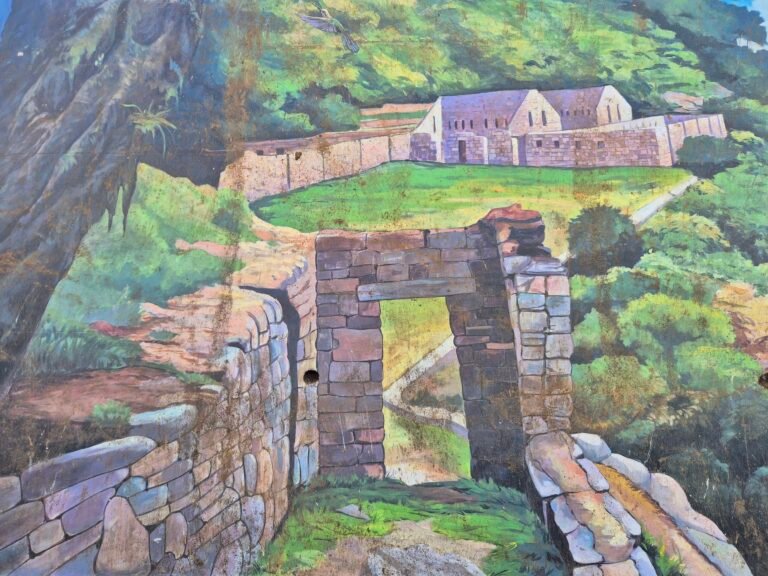 5From Choquequirao to Machu PicchuNot far from the legendary ruins of Machu Picchu, another major Inca site is still little known and can’t be reached by road: Choquequirao. A trek connects…
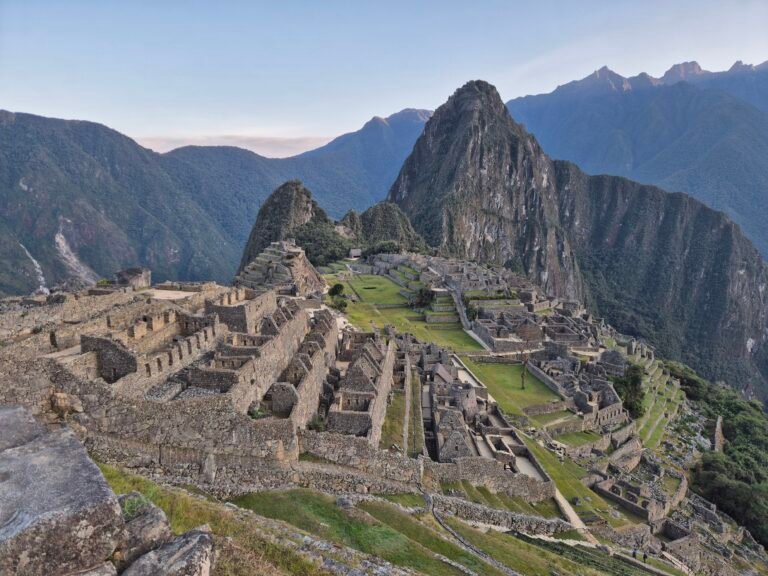 6Machu Picchu and the Salkantay in ReverseWe’ve just wrapped up the Choquequirao, an 8-day trek to reach Machu Picchu. And now, back to Cusco? John figures we’ll get plenty of rest just visiting…
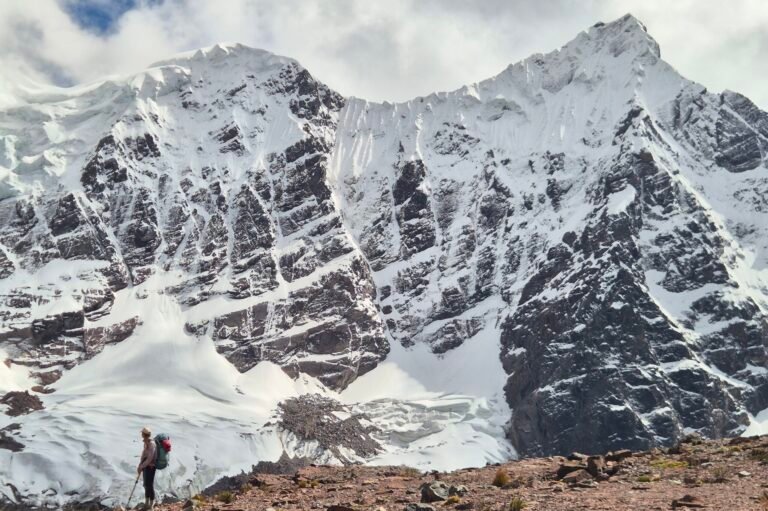 7The Ausangate LoopJust a few days after finishing the Choquequirao trek, we head for Ausangate, a sacred mountain a few hours southeast of Cusco. Known…
 8Paracas, Dunes and Wild CoastlineAfter the demanding Ausangate loop, we take a little break from the mountains while waiting for the gems of the Cordillera Blanca. We head for the coast and the reserve…
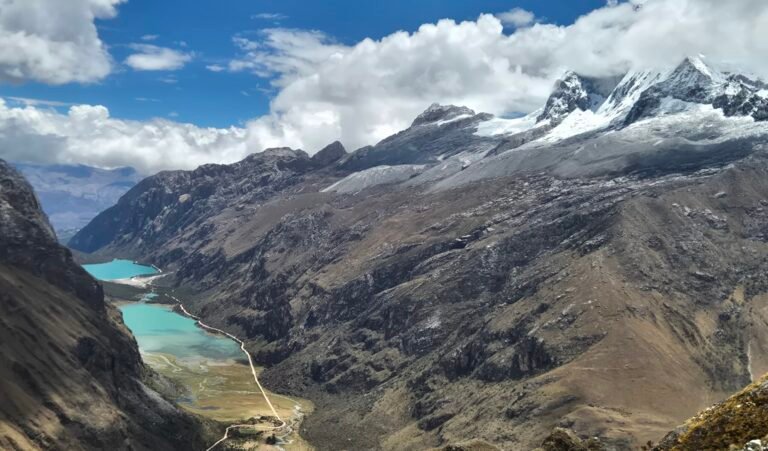 9The Cordillera BlancaAfter a short break on the Peruvian coast, back to business! We return to our mountains with what may be one of the most beautiful areas the Andes have to…
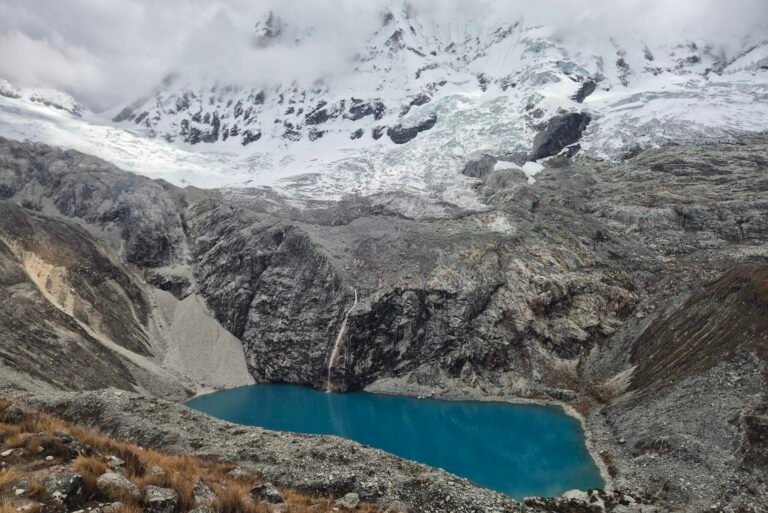 10The Santa Cruz Trek in Reverse and Laguna 69After a few days between Huaraz and Caraz to reacclimatize, we’re all set to take on the Santa Cruz trek, probably the best-known trek in the park…
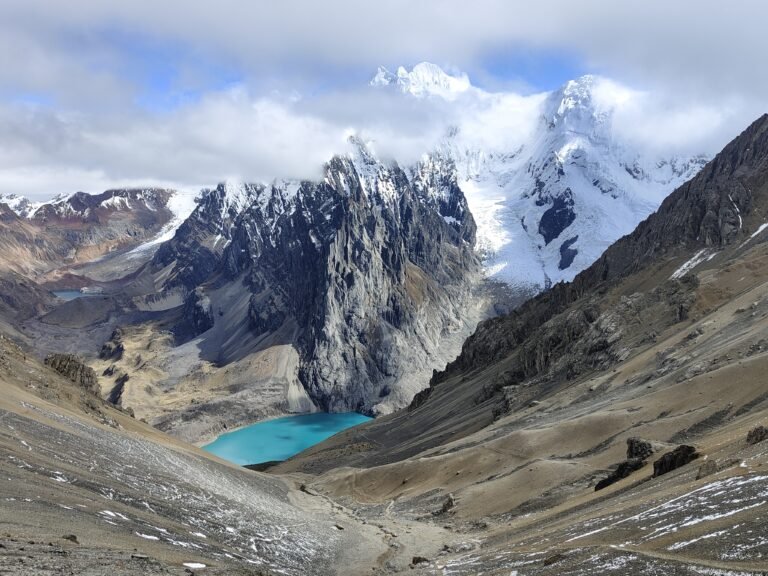 11The Cordillera HuayhuashCamille still hasn’t gotten over the Ausangate. Of course the trek was amazing, but the cold and the altitude really took their toll this time. She’s not ready to…
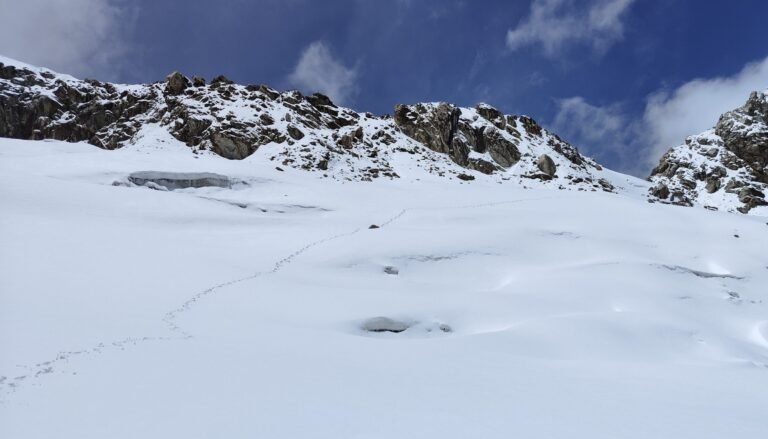 12The 4 Quebradas TraverseAfter the chaotic weather in the Huayhuash, I’m not really feeling it. And yet, I’ve been itching to come back here for 6 years; I’d never forgive myself for leaving without…
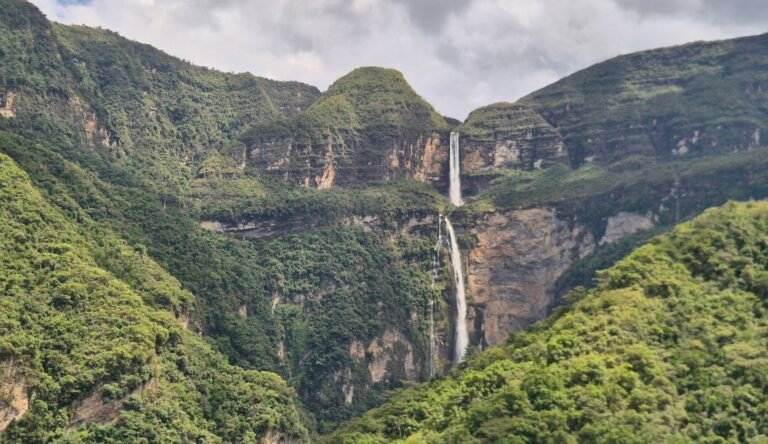 13Cajamarca and Chachapoyas, the Forgotten NorthCajamarca: after a few days chilling in Huanchaco, a small village on the Pacific coast known for surfing, I head to Cajamarca, at 8,860 ft,…
 14Máncora, One Last Stop on the CoastAfter a month of wandering, each on our own, we meet up again in Máncora for a few days before leaving Peru for good, feeling like we’ve seen it all…
Our highlights
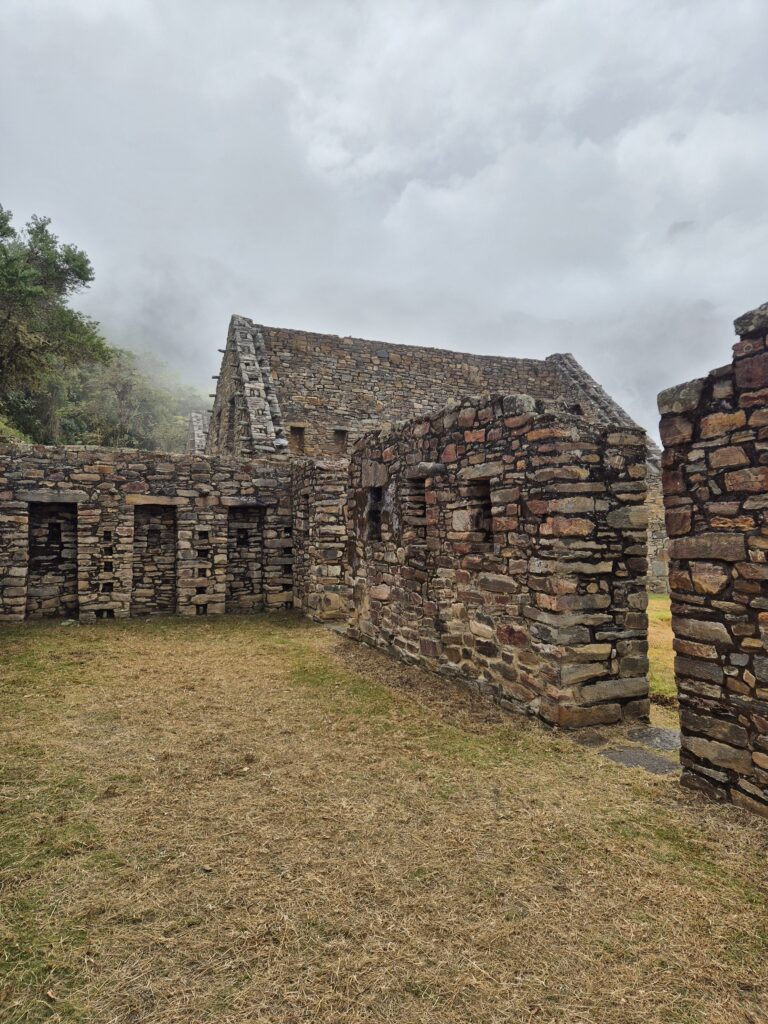
Choquequirao trek
8 days of walking through forgotten mountains, between canyons and glaciers. Mystical, abandoned ruins. And an endless feeling of solitude.What if reaching Machu Picchu was just an excuse after all?
Read the story →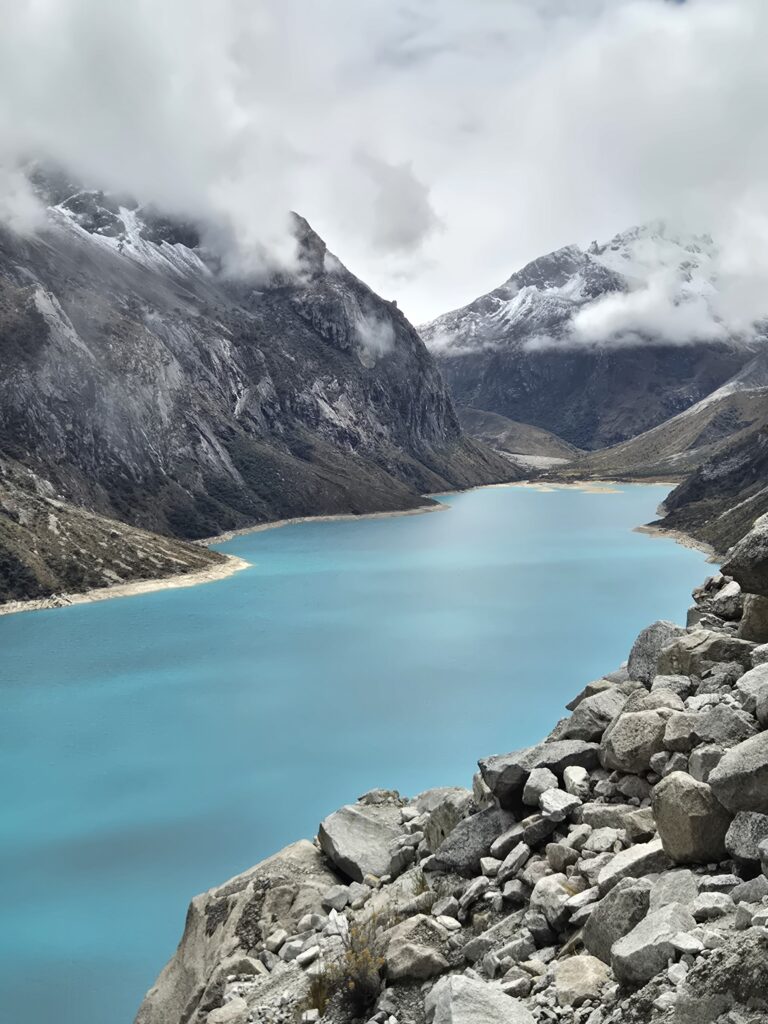
The Cordillera Blanca
John had said it: he could stay there for months… Once again, the Cordillera Blanca swept us off our feet, spellbound by its endless glaciers and turquoise lagoons. A true world of adventure just waiting to be explored…
Read the story →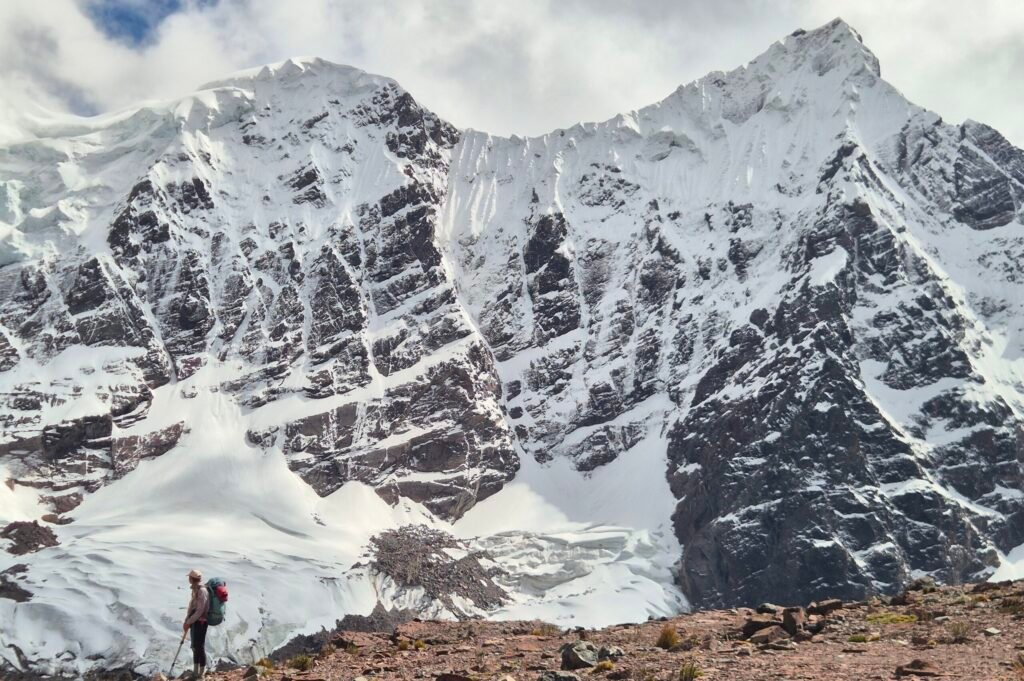
The Ausangate Loop
Glaciers as far as the eye can see, multicolored lagoons, colorful valleys… The Ausangate loop blew us away. One of the most beautiful treks in the country.
Read the story →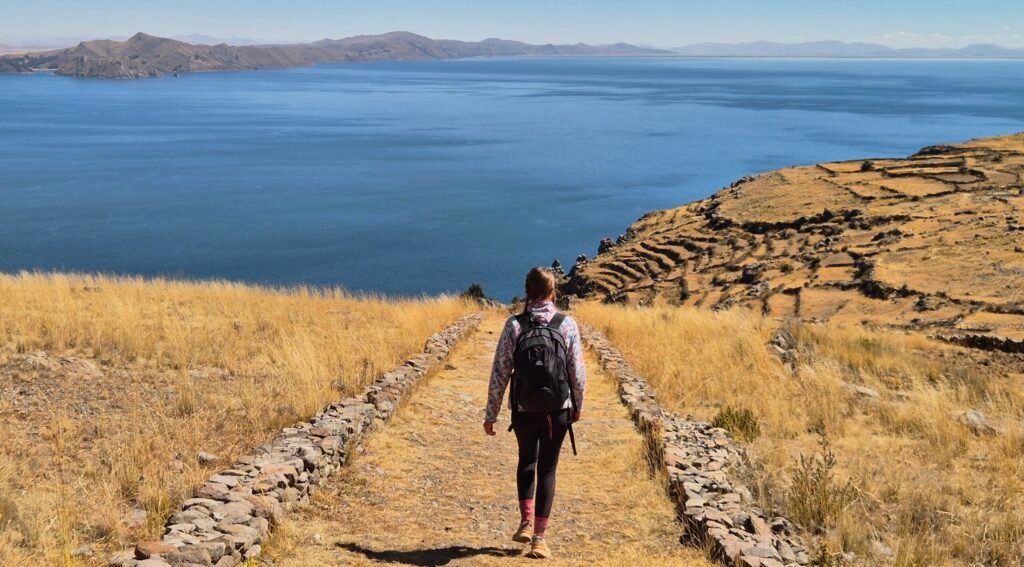
Lake Titicaca
A deep blue stretching almost to infinity, small colorful islands and a rare silence: Lake Titicaca offers a real break from time.
Read the story →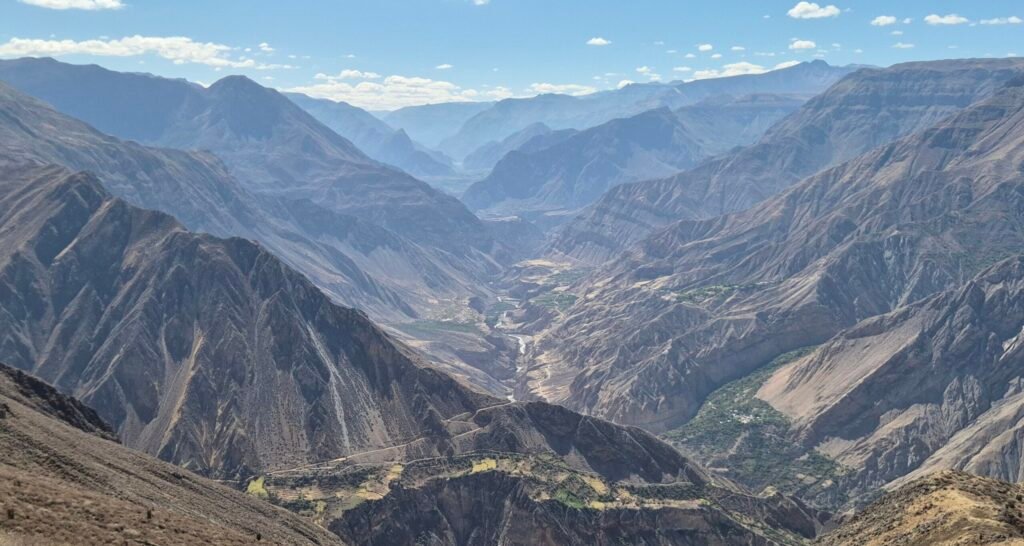
Cotahuasi Canyon
Cotahuasi Canyon takes some effort to reach, but it was an amazing discovery in a southern Peru often shaped by overtourism. A colossal canyon, a warm welcome and a rare closeness with locals, not to mention a whole range of activities and geological wonders. Our only regret is not exploring it more…
Read the story →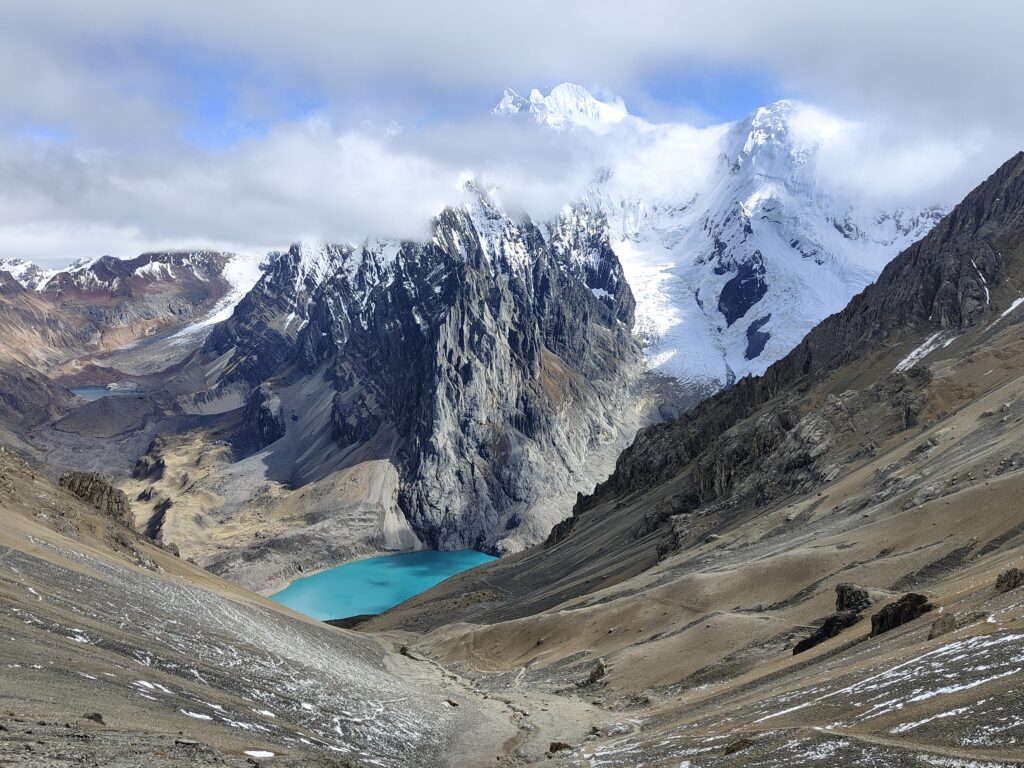
The Cordillera Huayhuash
A legendary spot for Andean mountaineering, a region that’s still wild and, on the alpine circuit, an endless feeling of freedom. Finally, a real adventure trek!
Read the story →Practical info
- Capital
- Lima
- Language
- Spanish
- Currency
- Sol (US$1 ≈ 3.6 soles)
- Stay
- 90 days, non-renewable (for French citizens)
- Time zone
- UTC−5 (same as US Eastern Standard Time)
- Country code
- +51
- Area
- 496,225 sq mi
People
Over 2 trips (for John), we always noticed a contrast between Peruvians in the north and those in the south (Arequipa, Titicaca, Cusco…). While in the north we always found people warm, helpful and curious… the south definitely suffers from being a tourist showcase. Except for Cotahuasi (off the beaten path), it feels like everyone sees us as walking wallets. For us, socially, there’s a northern Peru and a southern Peru!
Money
In 2025, a dollar was worth about 3.6 soles. Cards are rarely used in Peru, so always carry cash. Some banks, like Banco de la Nación, don’t charge fees, but there’s a daily limit of about 800 soles. Tipping isn’t a thing outside upscale restaurants in big cities.
Buses
You can get everywhere by bus in Peru. The rides are long and bumpy, but we usually stayed a while in each region (Cusco, Arequipa, Huaraz…), so we didn’t ride the bus every day. Prices and quality vary enormously. Many people swear by high-end companies like Cruz del Sur. As for us, we always picked the cheapest one, with experiences that were “not too shabby.” The main problem with low-cost local buses is that they stop every few yards to pick up a local, which makes the trip a lot longer. Go for night buses on long routes! The road from Cusco to the Amazon (Puerto Maldonado) has a very bad reputation, with frequent holdups!
Phone plan
We didn’t get a SIM card in Peru. Coverage is very patchy outside the cities, and each region (or even village) always has its go-to carrier.
Coca
Coca leaves have been part of Andean culture (Bolivia, northern Argentina, Peru) for more than 5,000 years, mostly on the Altiplano. They are used for spiritual and medicinal purposes, and often as an offering to the goddess Pachamama (Mother Earth). While the leaves are banned in Western countries (watch out at customs!), they must not be confused with cocaine. Cocaine is indeed extracted (as an alkaloid) from the leaves, but they contain only tiny, harmless amounts. Today, coca leaves are still widely used by locals to fight hunger and fatigue (and mostly out of habit). They’re also said to help with altitude sickness. You’ll find them cheap at the market, more easily in the south (Altiplano). Chewing coca is of course legal in Bolivia and Peru (sometimes tolerated in other countries), and we strongly recommend trying it, whether for the possible benefits or out of curiosity. Our favorite is still the tea, though; chewing it isn’t great. Locals add the leaves to their mouths little by little, chewing them into a ball they tuck into their cheek. You’ll notice quickly by watching locals, who always have a few leaves between their teeth and green lips!
National parks
To be honest, you rarely hear about “national parks” or “national reserves” in Peru. Oh, there are some, but with a few exceptions (Huascarán, Manu, Tambopata…), national sites are hard to reach or of little interest to tourists. In Peru, local communities often control the sites and the fees. Some people welcome this, feeling that they have more right to decide about “their land,” but there’s often no oversight at all; you’ll never know where the money goes, and we doubt it’s spent on the environment.
Seasons
It’s best to visit Peru during the dry season, from June to September. In the rainy season, roads and treks quickly become impassable and dangerous, even though temperatures are milder.
Food to try
Peruvian food in a nutshell
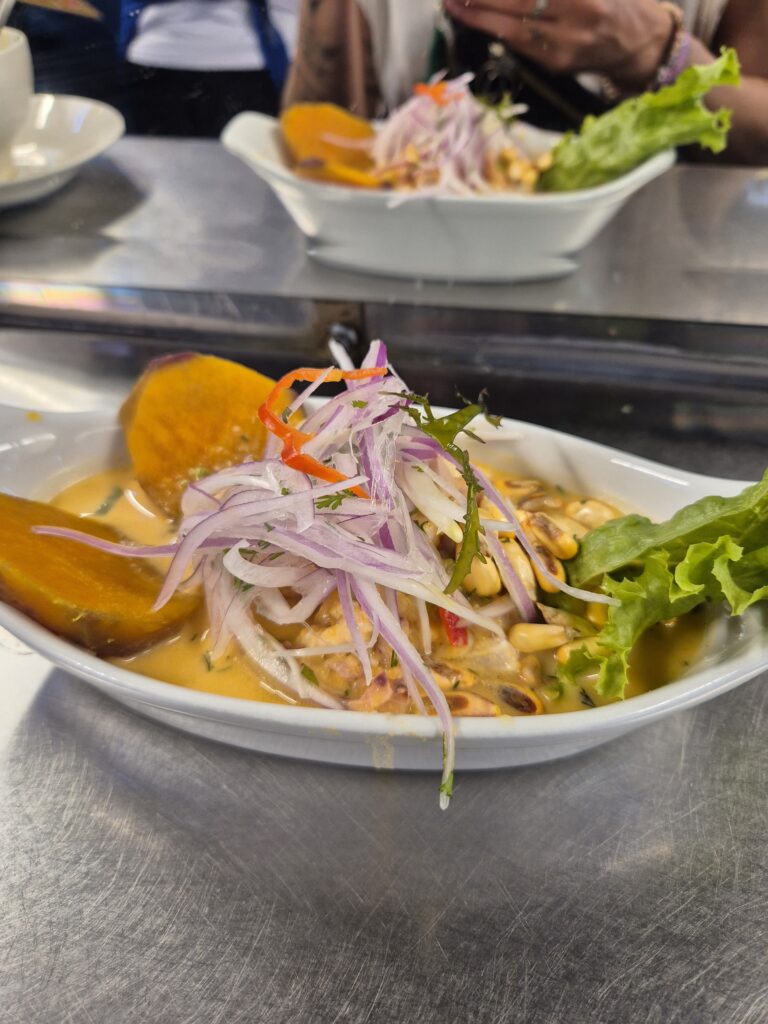
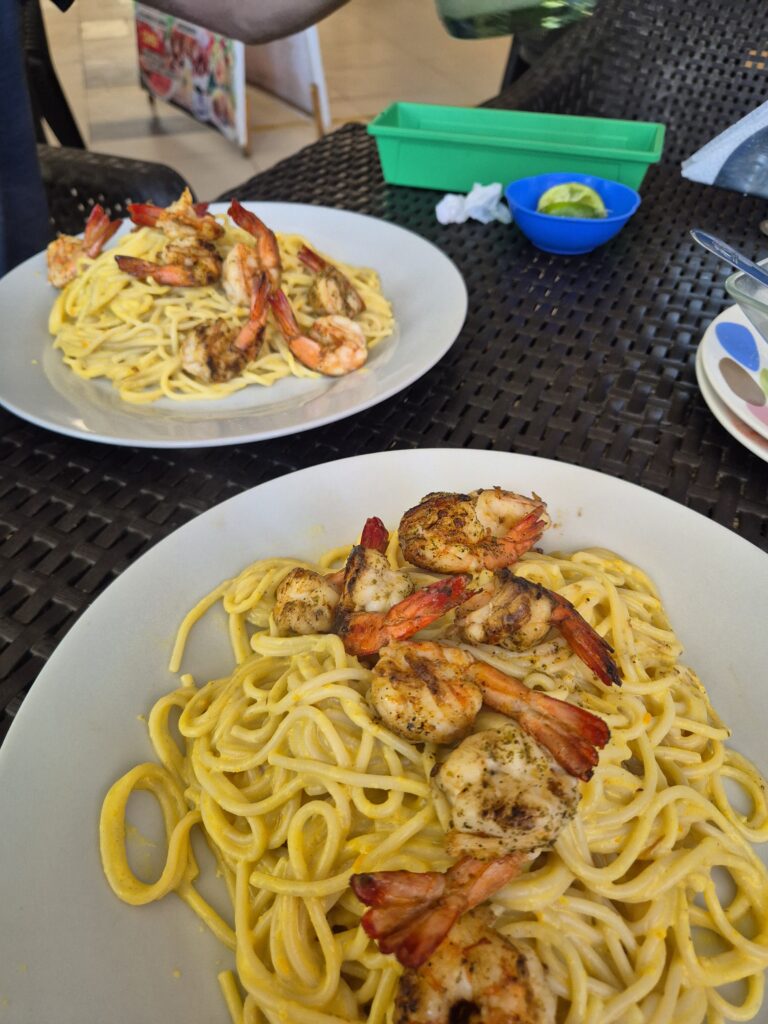
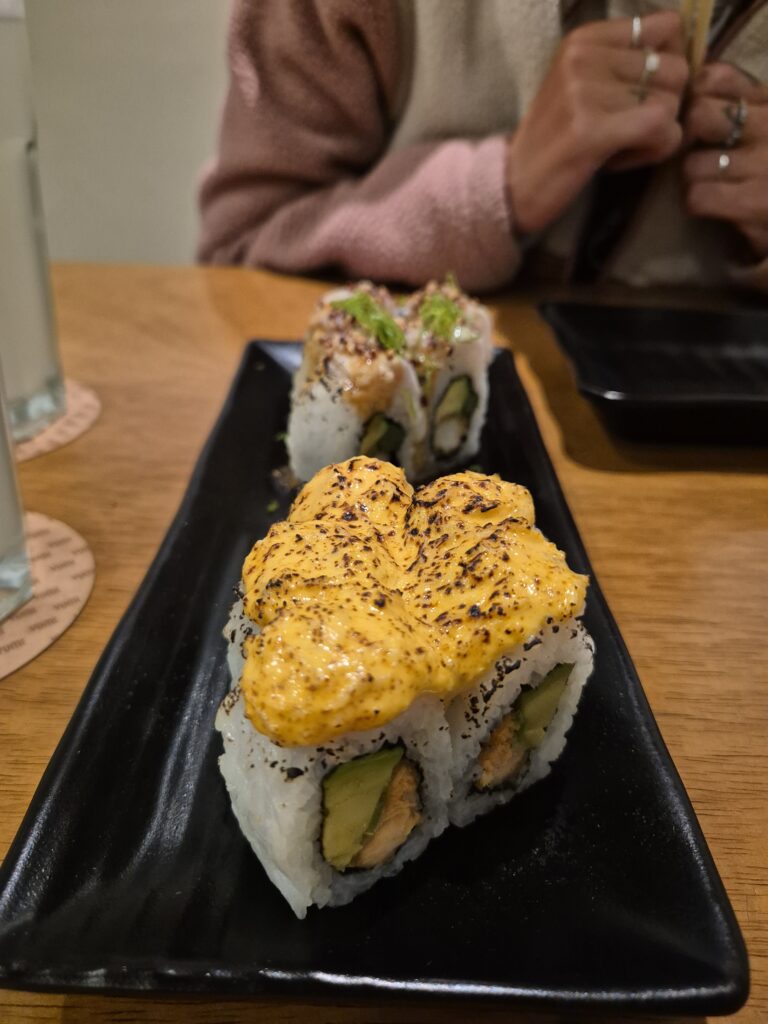
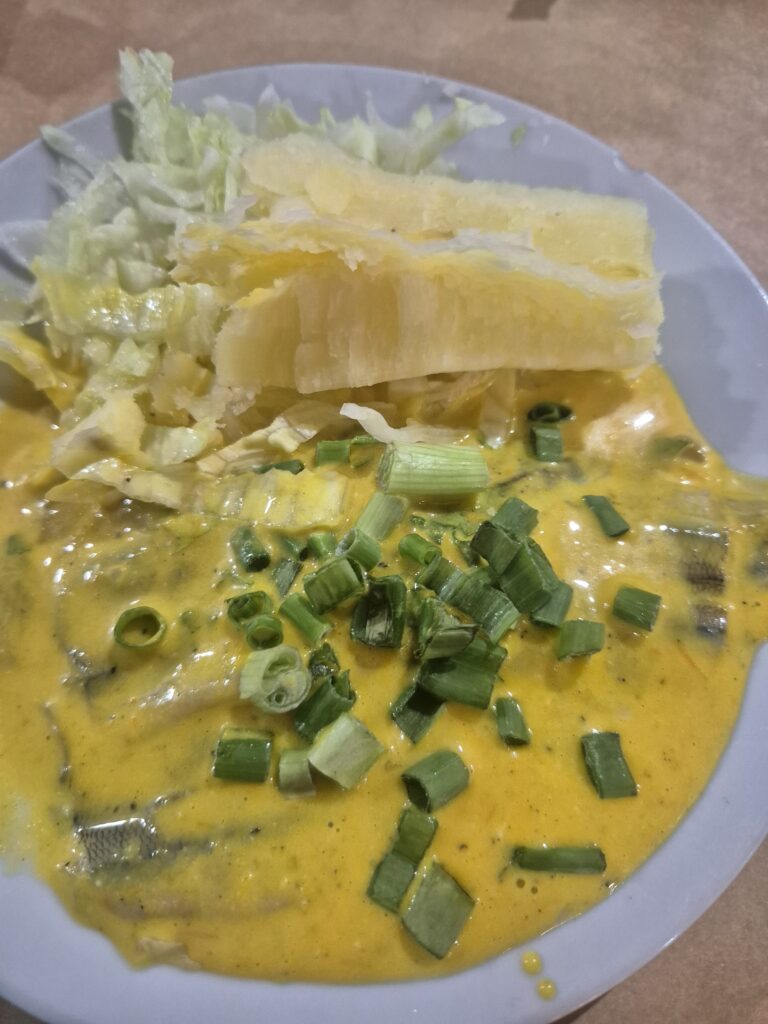
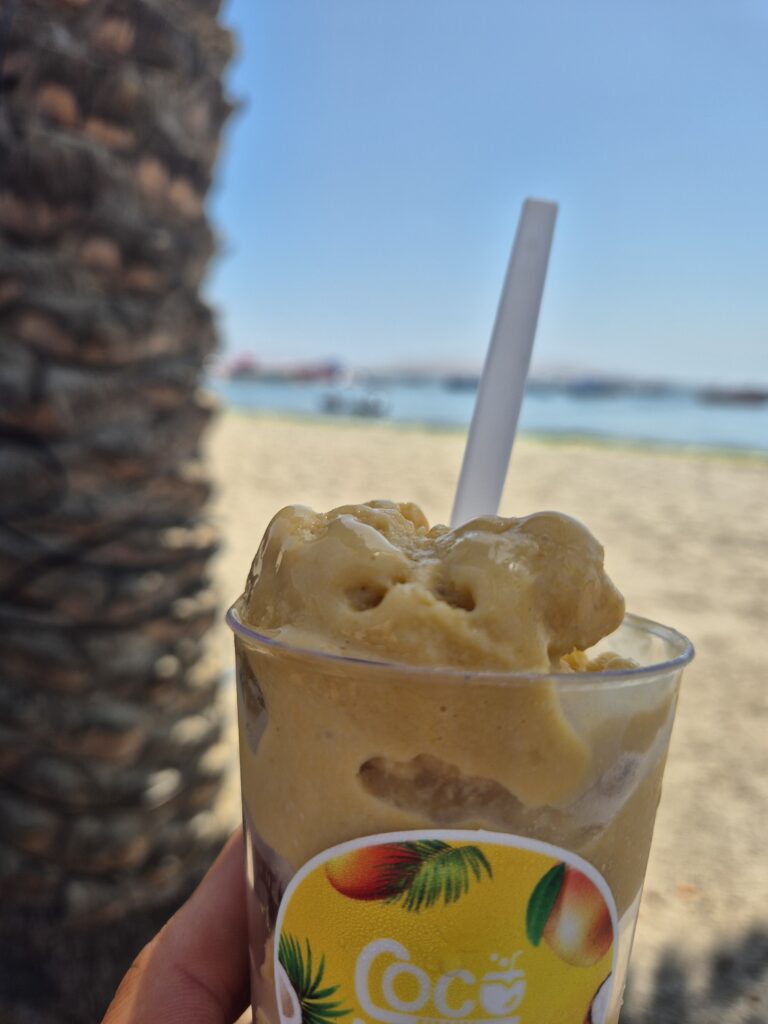
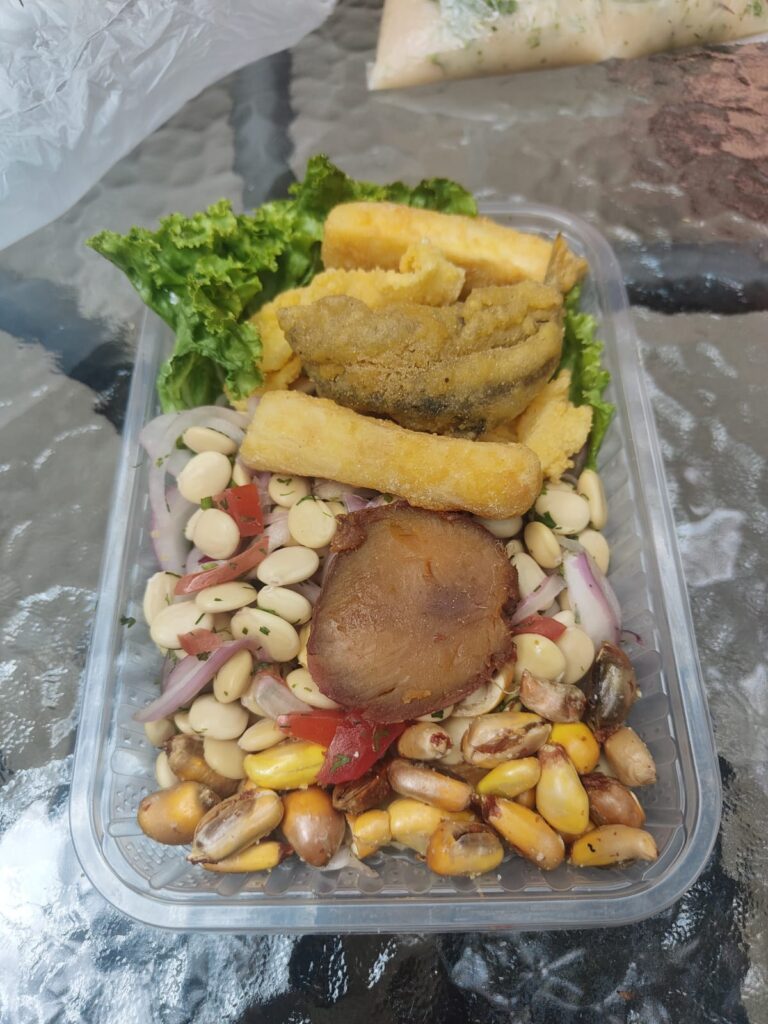
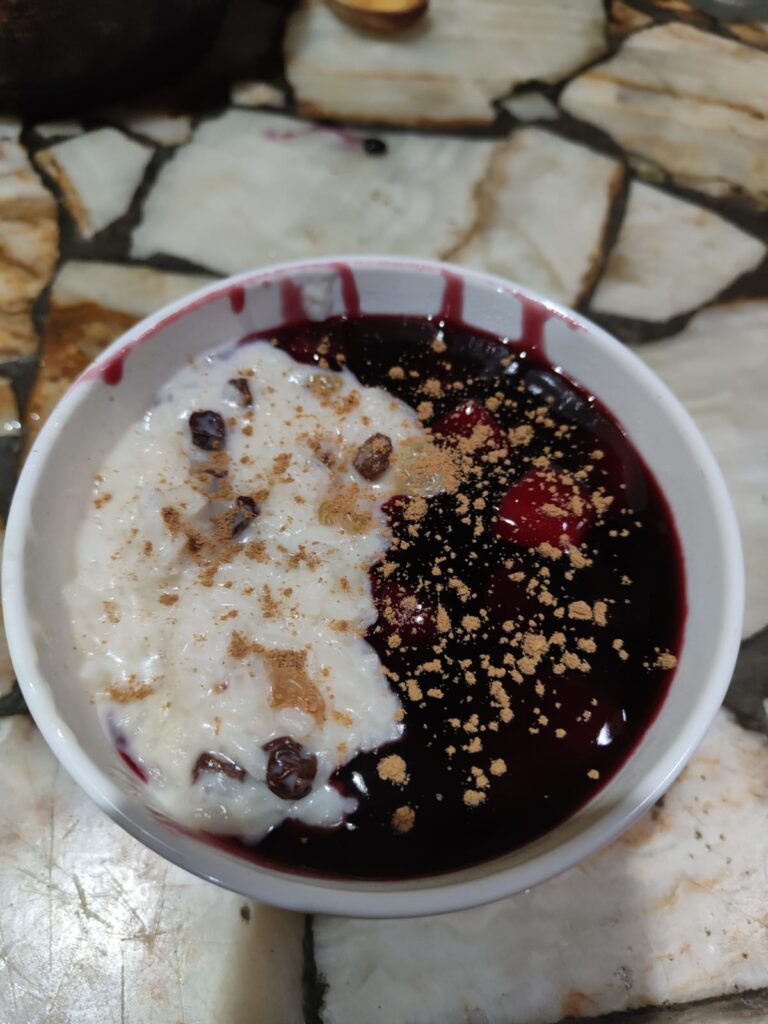
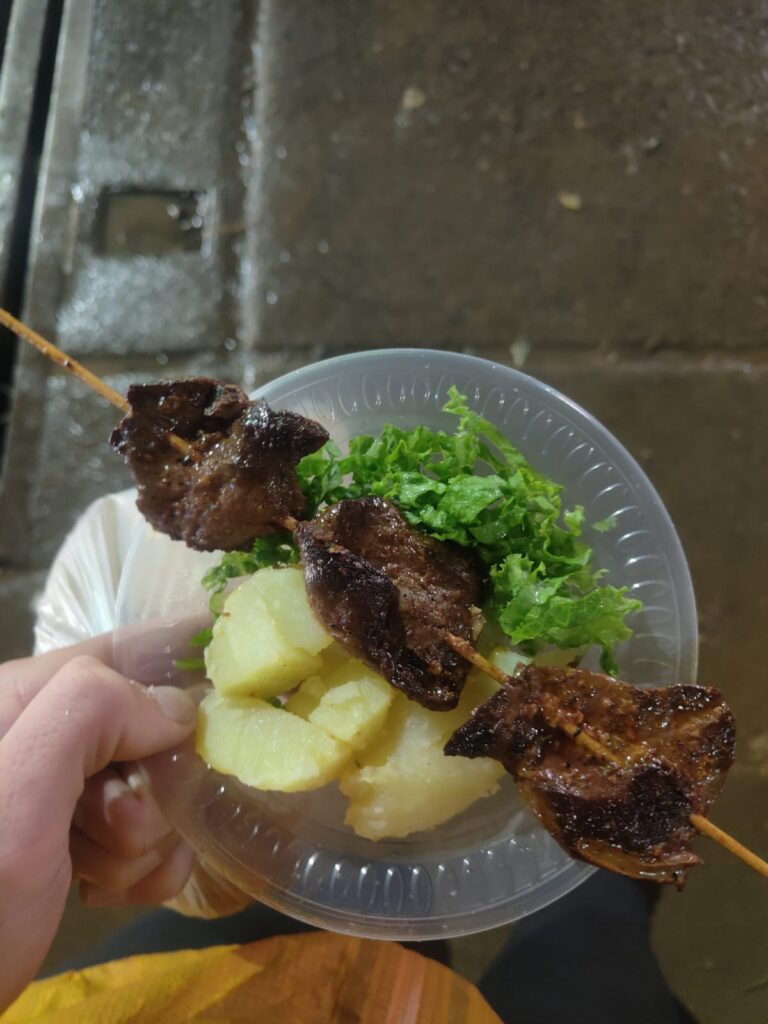
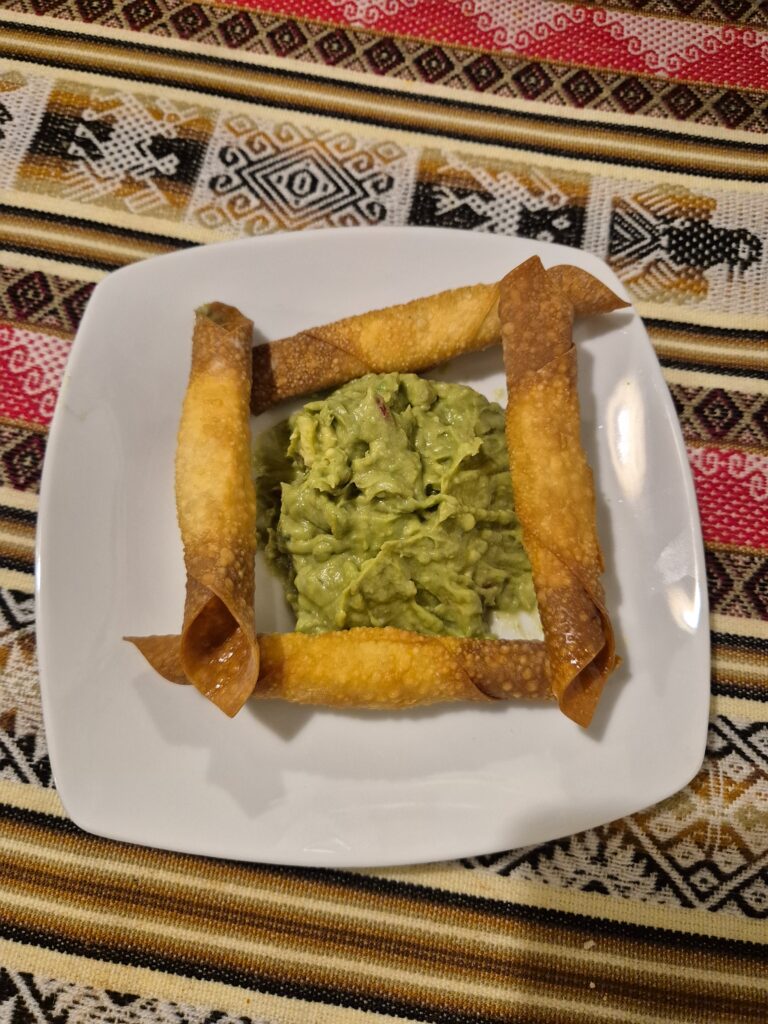
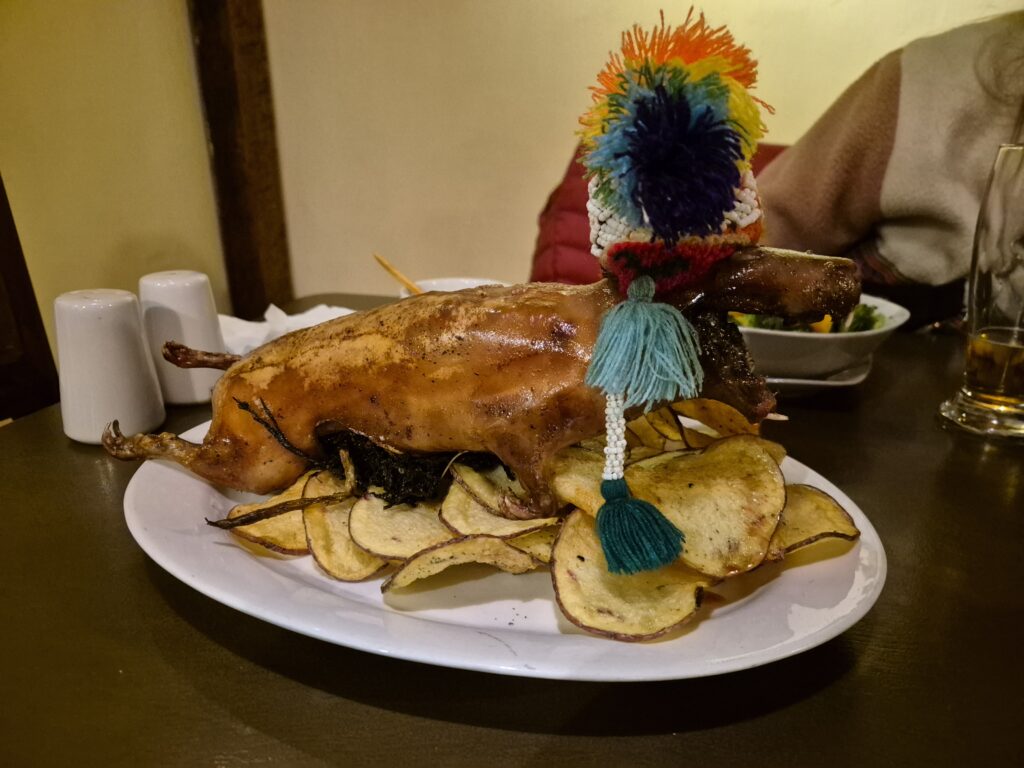
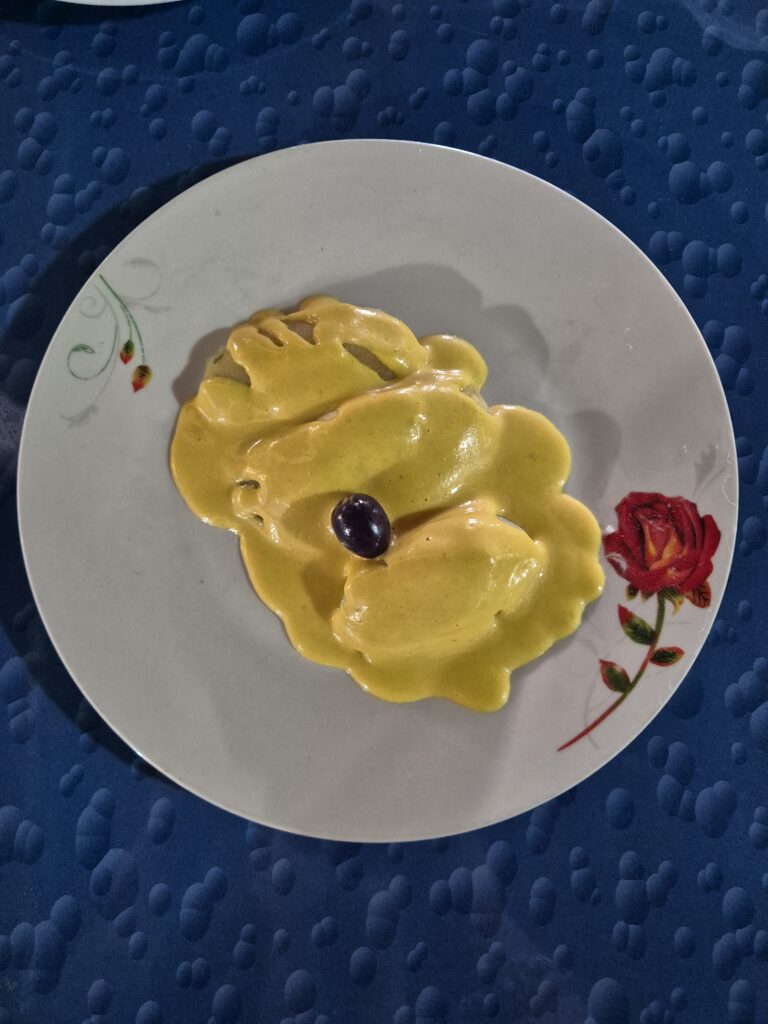
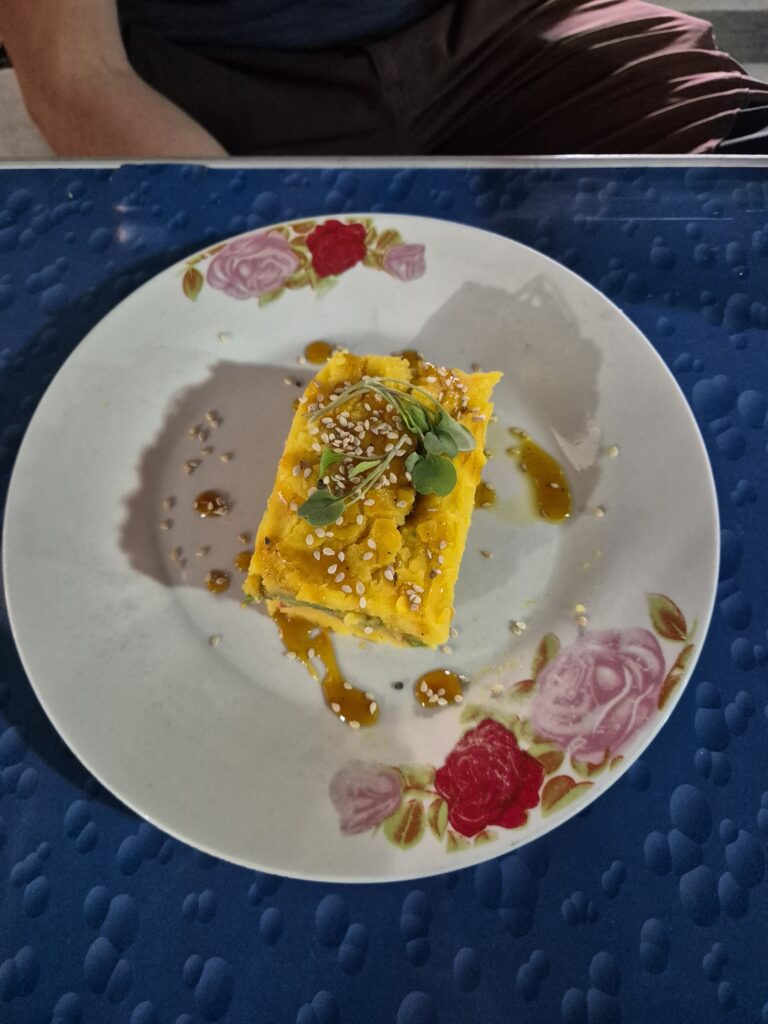
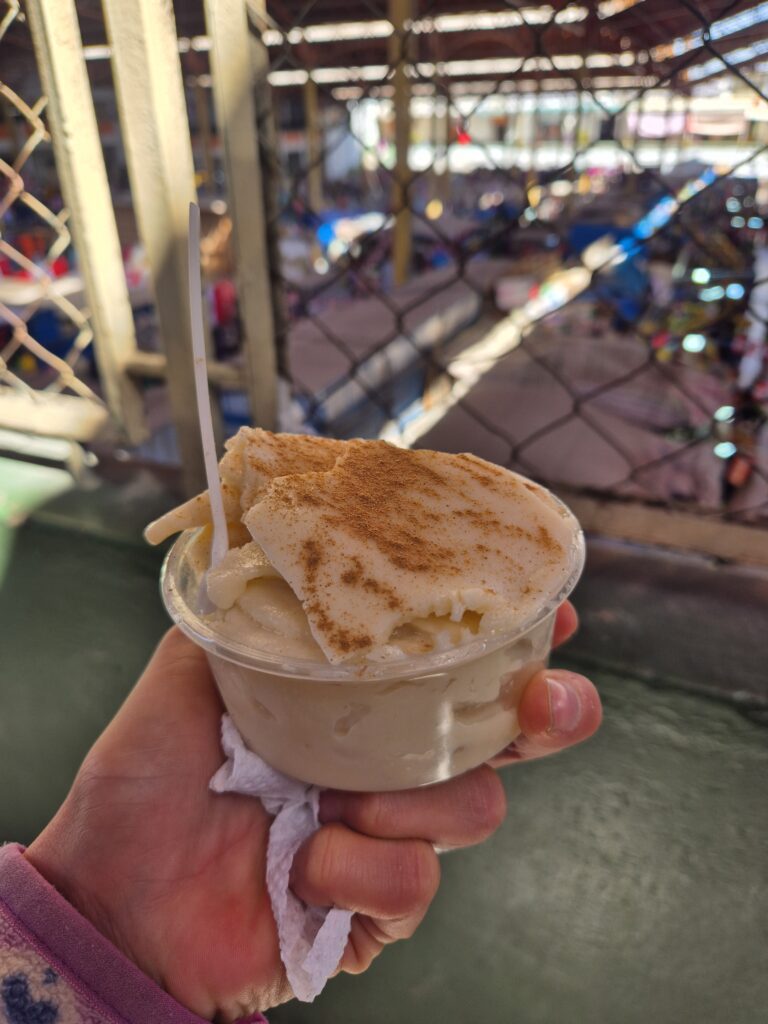
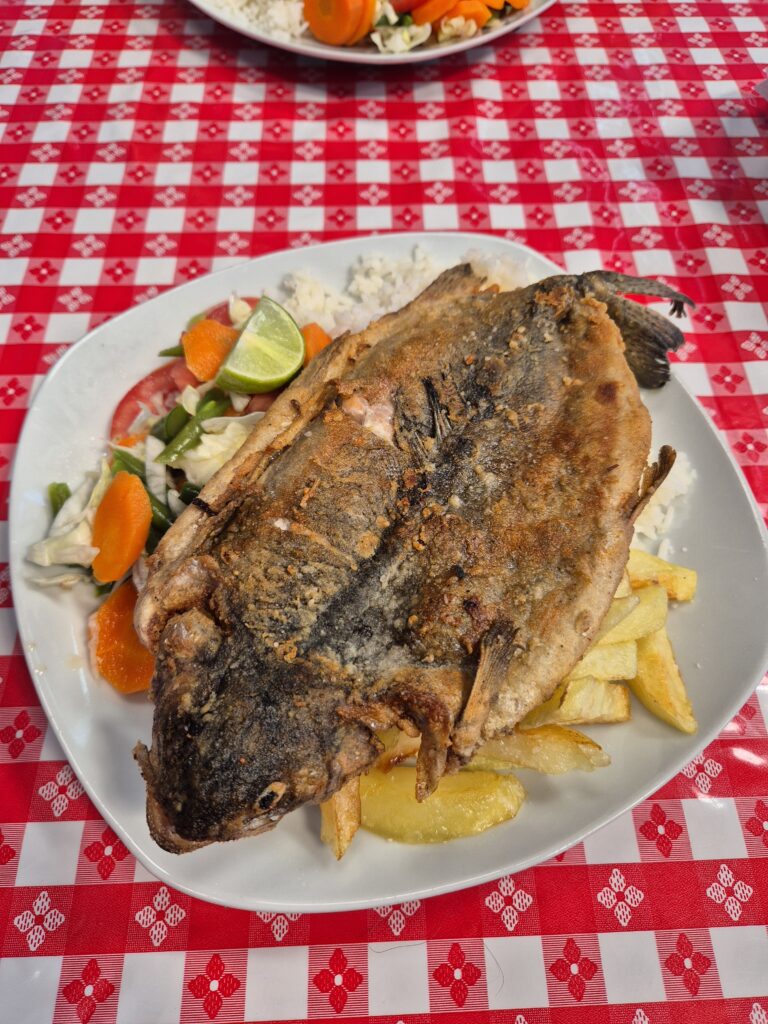
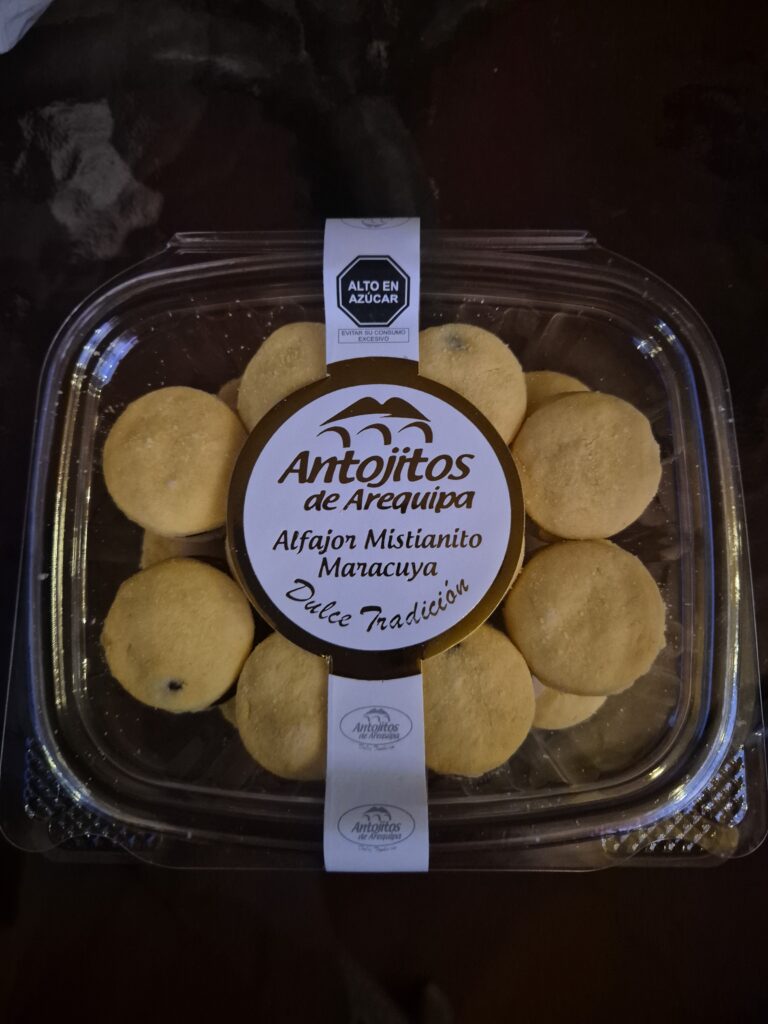
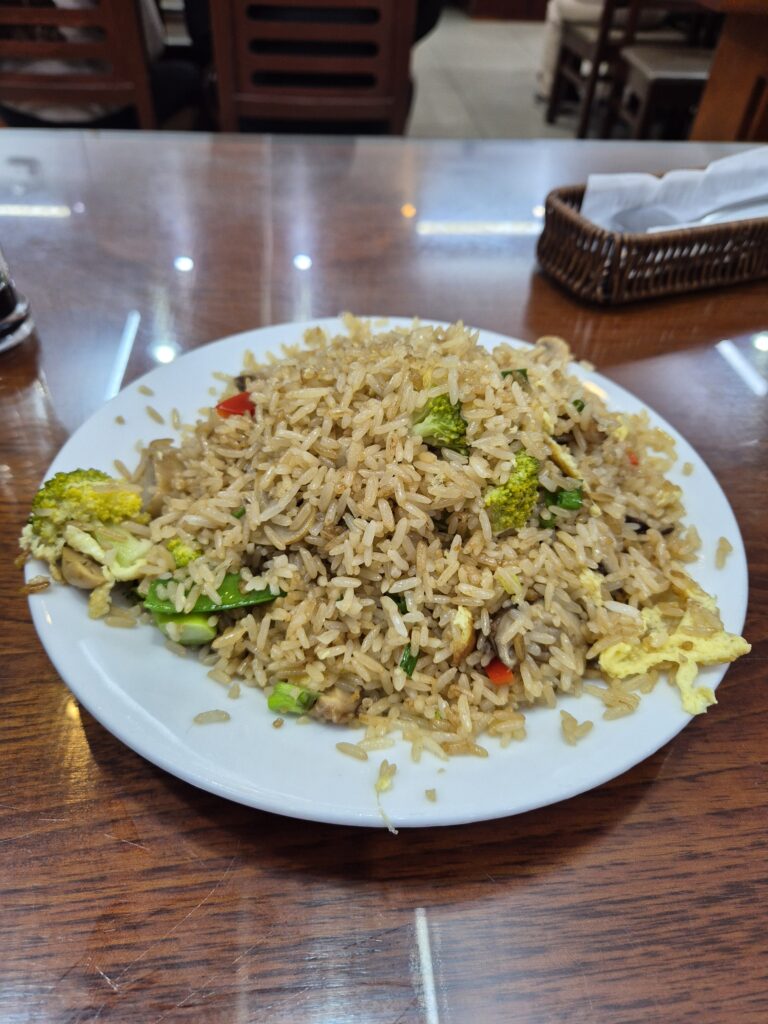
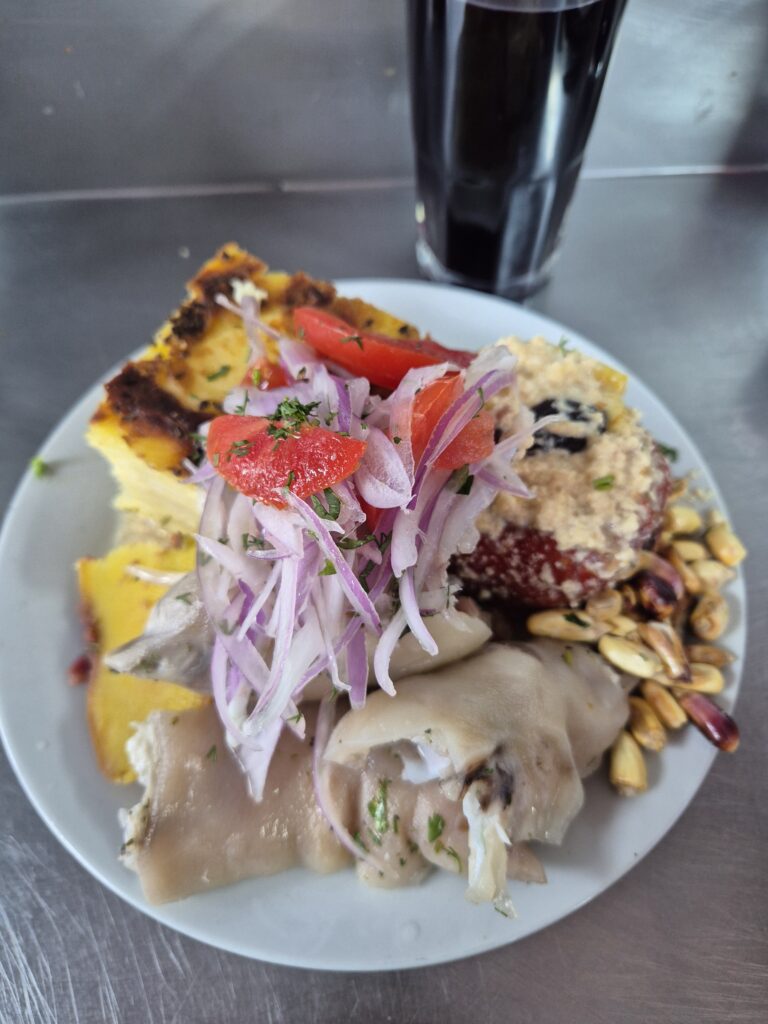
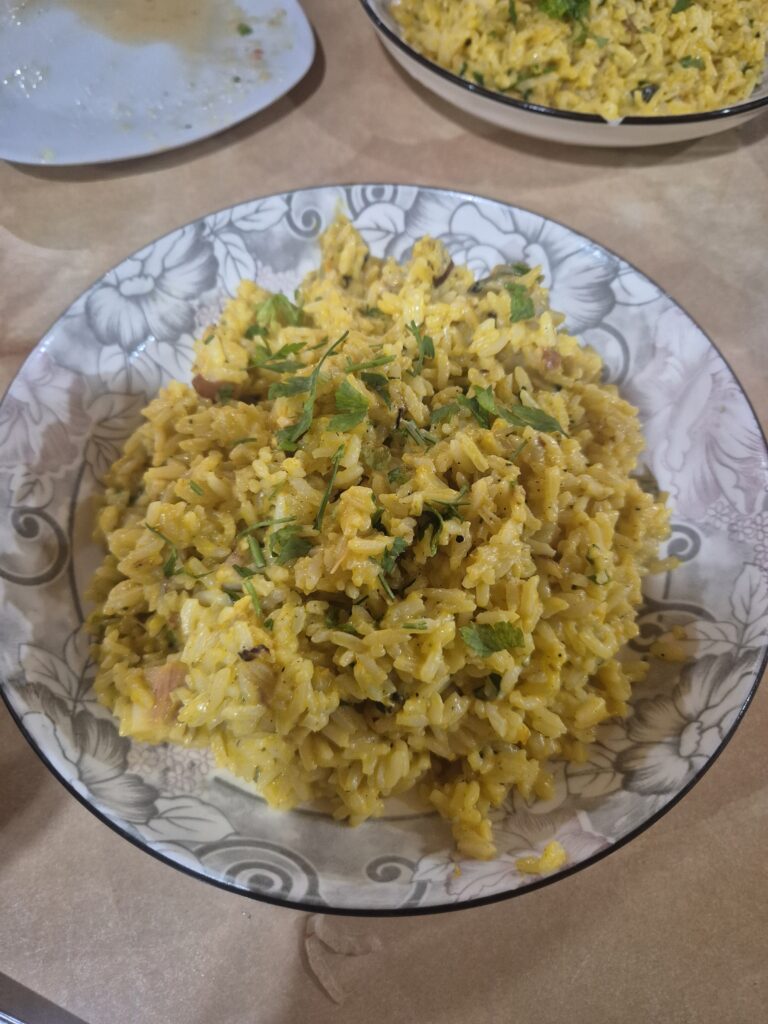
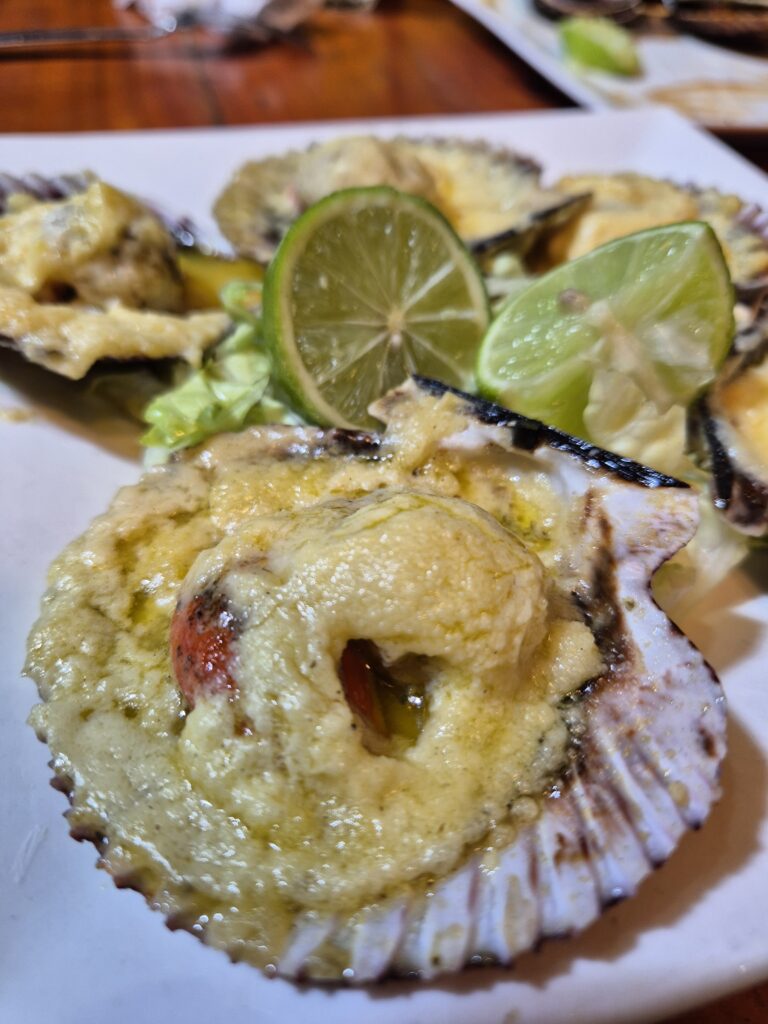
Peruvian cuisine is famous around the world, and Peru is home to some of the world’s best restaurants. While it makes sense that the variety of climates and foreign influences shaped such a rich cuisine, you won’t necessarily find it in a backpacker’s daily life, except in the upscale neighborhoods of the capital. That said, after Bolivia, we were delighted to find lots of variety in the almuerzos (set lunches), often with trout or ceviche. Speaking of which, how could we not mention ceviche, the emblem of Peruvian cuisine? You’ll find it everywhere, at every price (street food on a budget, deep pockets at a fancy restaurant). Another version is tiradito, and in the Andes, the fish is replaced by a bean called chocho (hence the name cevichocho). One of the most striking fusions is with Asian food: Nikkei cuisine, with of course the whole family of sushi and maki reinvented, and more in fancy restaurants. Much more popular, chifas are everywhere: cheap restaurants, often serving fried rice, with an endless menu where dishes are listed by number, and outrageous portions. Always great value for money. The country is full of amazing exotic fruits, but if we had one recommendation, it would be lúcuma, a fruit with notes of caramel and maple syrup, outstanding as ice cream or yogurt, and which we’ll sadly never find anywhere else. Other favorites include causa, a cold dish made with potato and avocado, or huancaína sauce, made with ají amarillo (not spicy), which makes some dishes shine, including the classic papa a la huancaína. Of course, you’ll find the classic Andean snacks like tamales or humitas, which are smaller. On the street, you’ll snack on picarones (squash fritters) or churros filled with dulce de leche. In fact, the Áncash region (Huaraz, Caraz) makes very good homemade ones.
Budget
Spending by category
- Lodging$80723%$4.69 per person per day
- Restaurants$74021%$4.30 per person per day
- Activities$72921%$4.23 per person per day
- Groceries$58316%$3.39 per person per day
- Transportation$57116%$3.32 per person per day
- Coffee, drinks$983%$0.57 per person per day
- Other$28.331%laundry $17 exchange fees $9.44, other $2
Cost of living and spending
In 2025, a dollar was worth about 3.6 soles. Peru is still one of the cheapest countries on the continent. You’ll find almuerzos for around 12 soles, hotels for 40 to 60 soles for two, sometimes with breakfast, and very affordable buses (depending on the company). It’s the first country where we traveled without the van, and the budget naturally reflects that with the hotels. That said, we did lots of treks camping, either wild or at campgrounds, which saved us a lot of money.
Wrap-up
Our first country without the van: we discovered the perks and the hassles of backpacking. To be honest, we thought about skipping it: how do you get off the beaten path without a vehicle in a country as touristy as Peru?
In the end, we managed to refocus on what we really wanted and what Peru had to offer: glacier-covered ranges, giant canyons, majestic Inca ruins… Free of our van, we also felt freer to roam the mountains; Peru would be a hiking country, for a day or several.
Culturally, there’s the ultra-touristy south, where everyone seems to look at us like walking wallets, and the very welcoming north.
86 nights
Tops
- Varied cuisine
- Mountains and canyons
- Ruins around every corner
- Endless trekking options
- Markets
- Good public transportation
Flops
- Aggressive dogs, everywhere
- Noise, honking…
- Tourist traps in the south
- The tone sometimes used to say “gringo”
- Unofficial tolls on the treks
What we missed
- The heart of Peru: Ayacucho, Huancayo, Cerro de Pasco…
- The Alpamayo trek
- Crossing the Amazon from Iquitos to Ecuador